At a glance
- Secure your phone in a pocket or bag before boarding the snowmobile. Guides will stop the group on the glacier for dedicated photo moments.
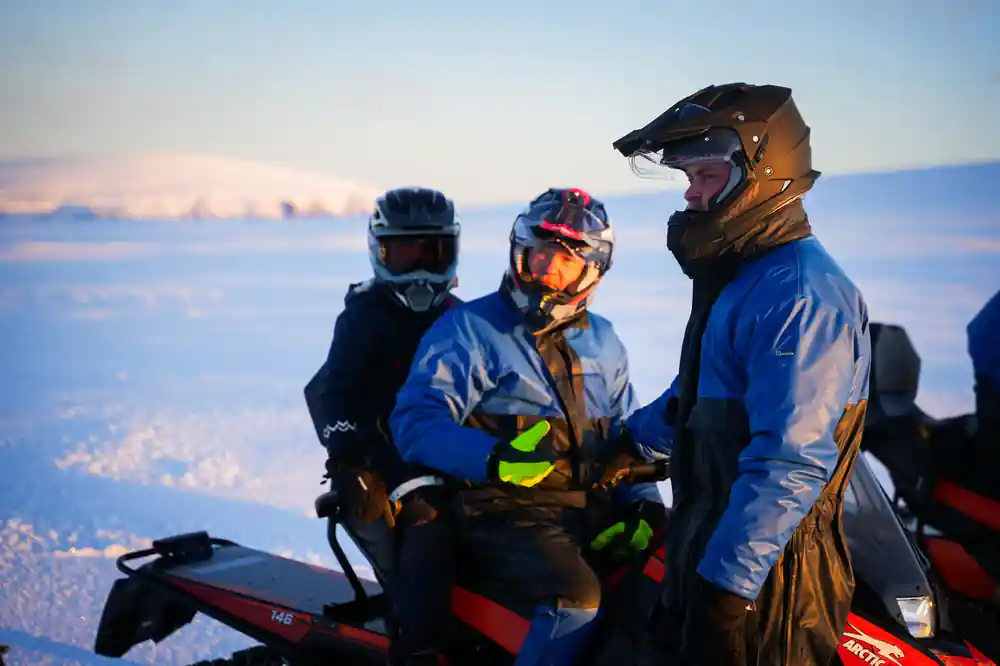
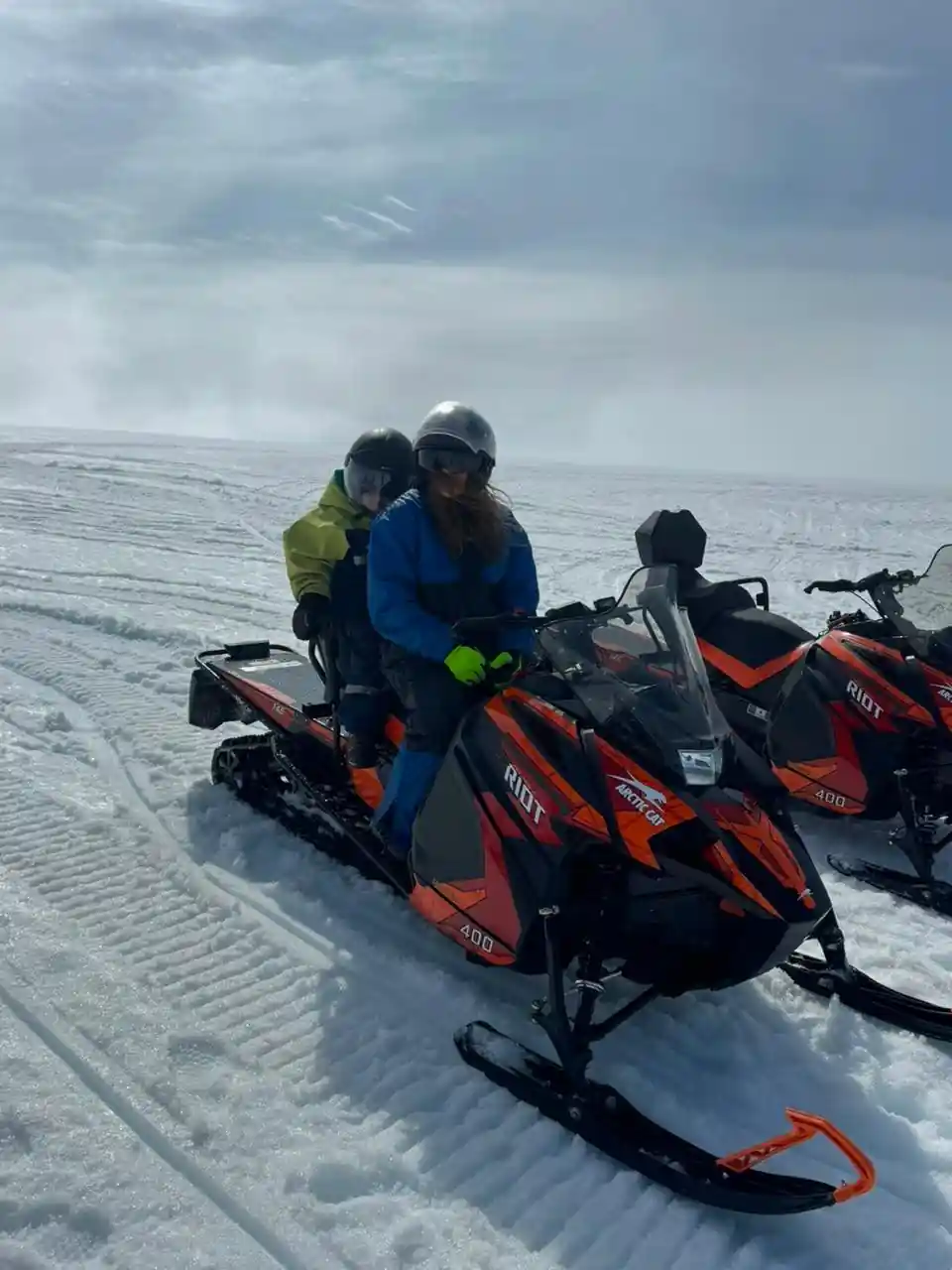
- Wear your prescription glasses beneath the helmet visor for clear vision on the ice. The helmet provides full protection while keeping corrective lenses in place.
- Sunglasses reduce glare reflecting off white snow and ice. Wear them comfortably inside your helmet to protect your eyes during the full hour on Langjökull.
- Arctic temperatures drain batteries fast. Bring a spare power source or keep your device close to your body before and after riding to maintain charge.
- Remove goggles briefly between stops to let moisture evaporate. Anti-fog treatments and proper helmet ventilation help maintain clear visibility throughout your ride.
Carrying Your Camera on the Snowmobile
A phone or camera in your pocket is possible during the ride, but movement at speed across ice and snow means securing it properly matters. Loose items shift with each turn and bump, risking damage or loss. Use an inside jacket pocket with a zip or snap closure, or tether your phone to your belt with a short cord so it stays accessible but cannot fall. If you carry a larger camera, a chest-mounted harness distributes the weight evenly and keeps both hands free for balance on the machine.
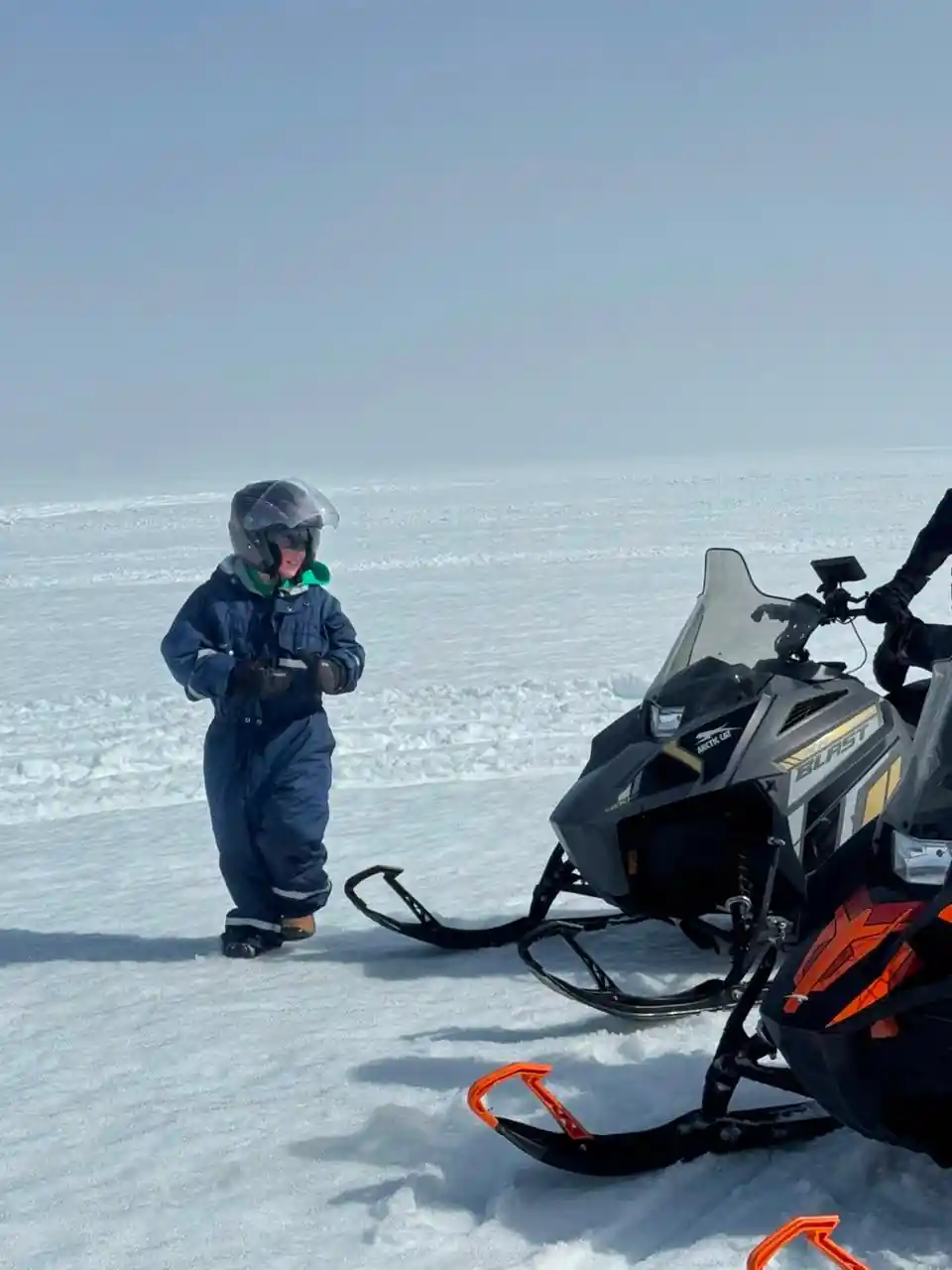
The one-hour snowmobiling session takes you across Langjökull's open ice cap, where the terrain is relatively smooth but never entirely still. Gloves make screen navigation difficult, so plan your shots before you ride rather than fumbling with settings at speed. Many riders find a GoPro or action camera mounted to the helmet easier than managing a handheld device, since it captures the ride without requiring you to hold anything.
Photo Stops on the Glacier
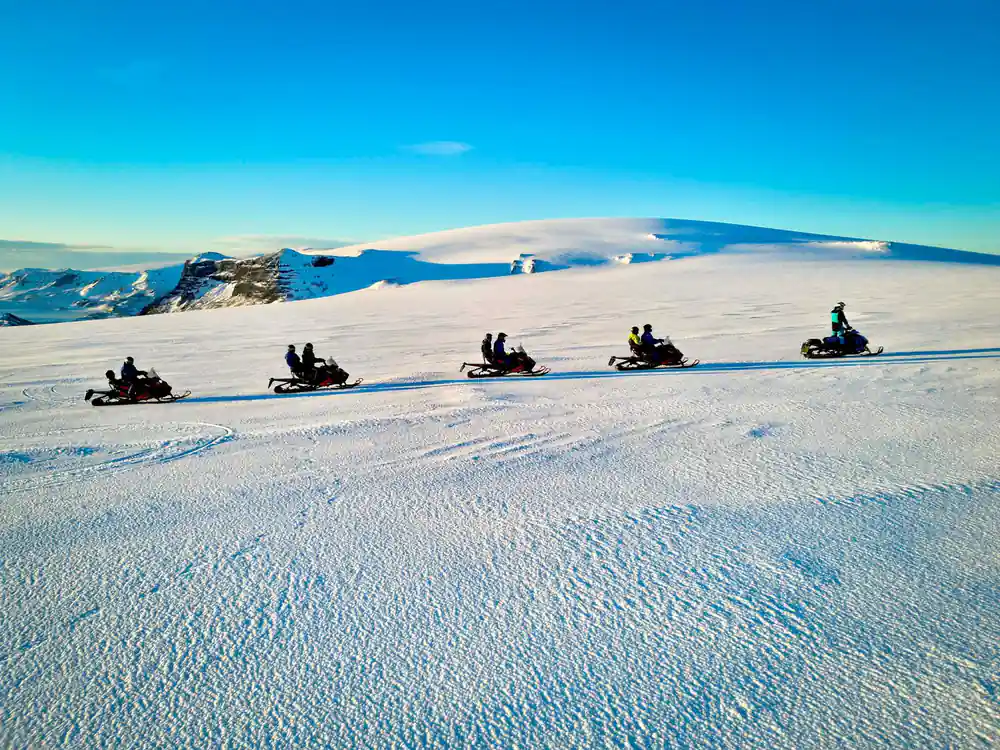
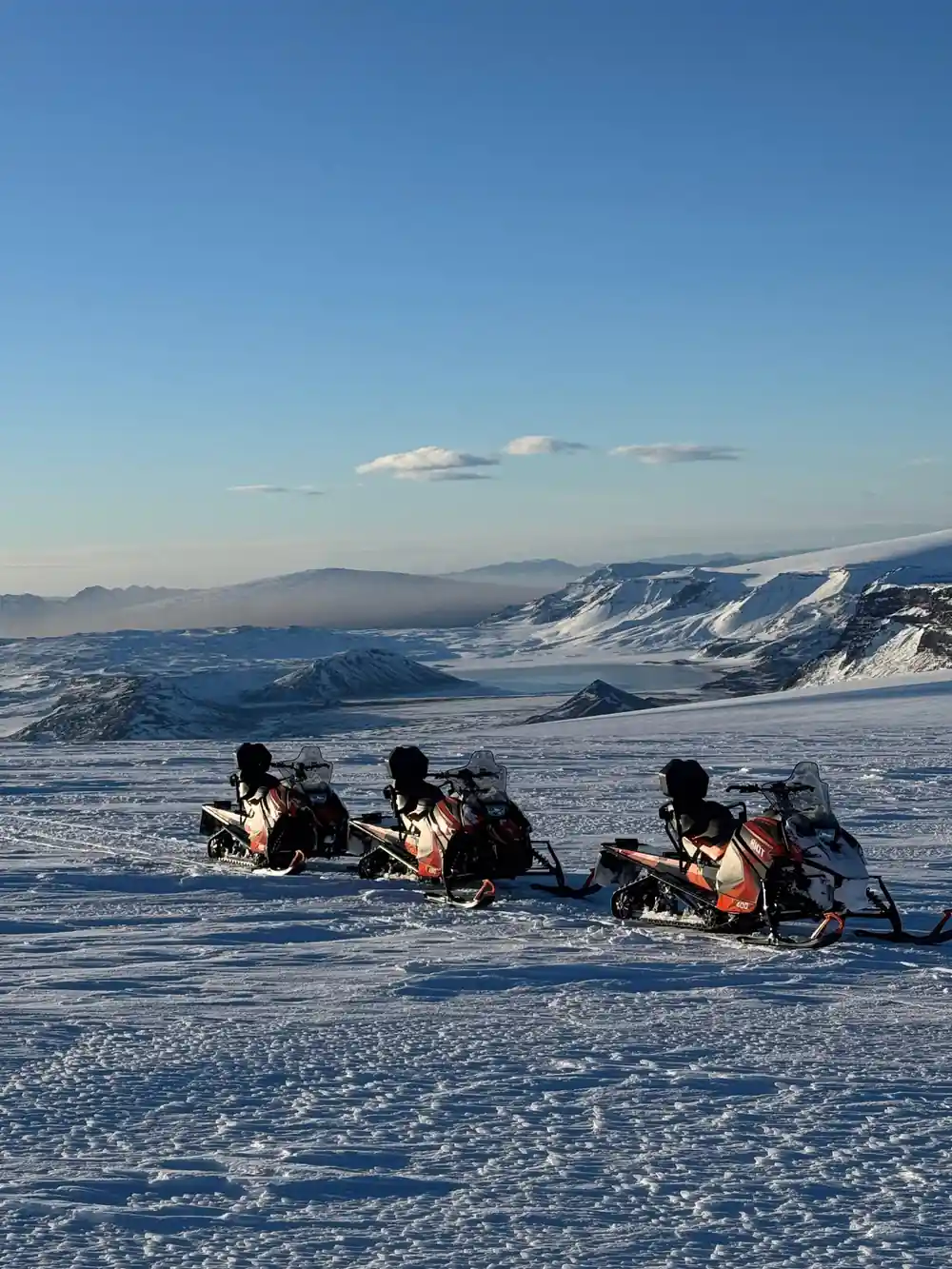
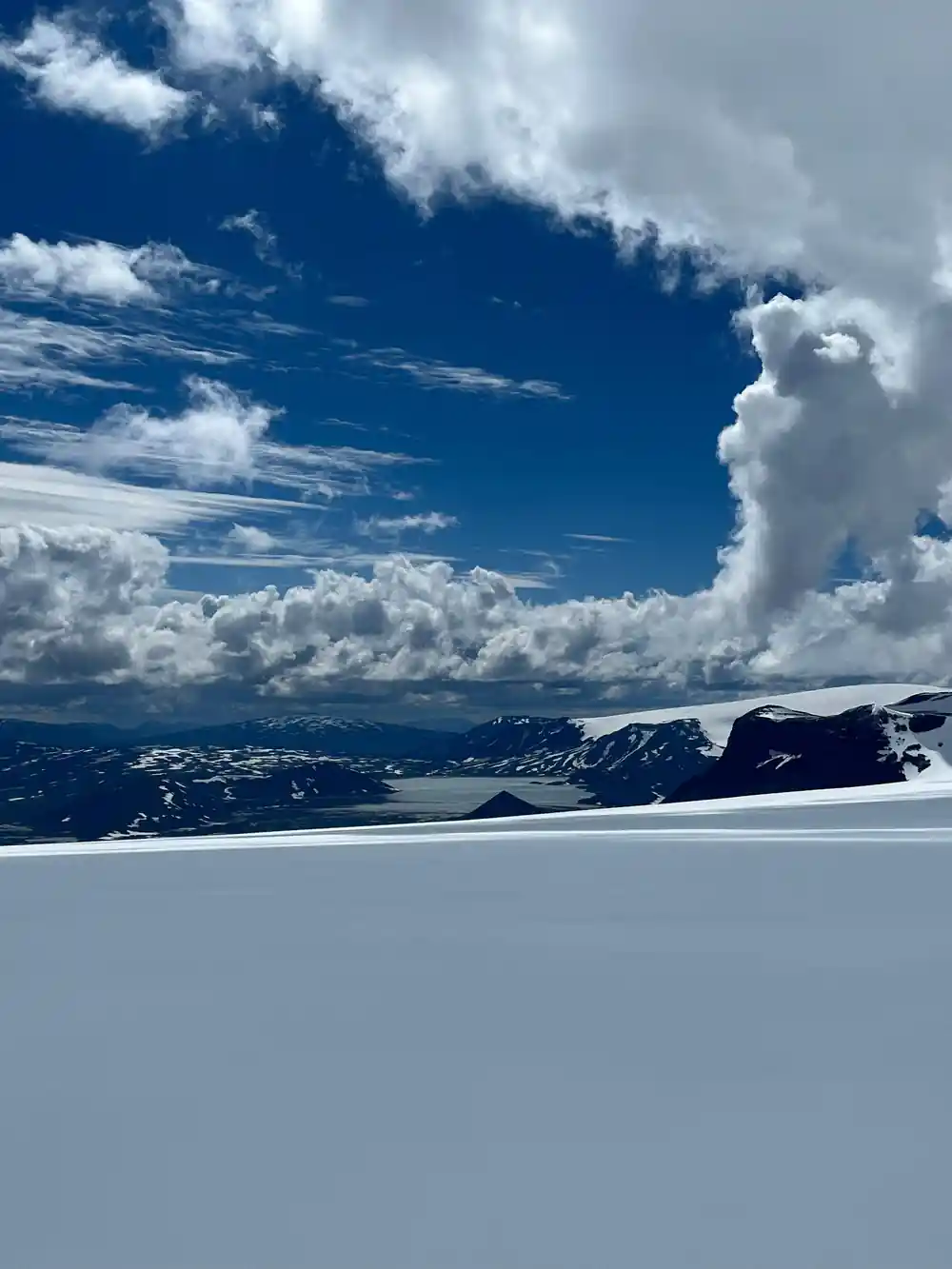
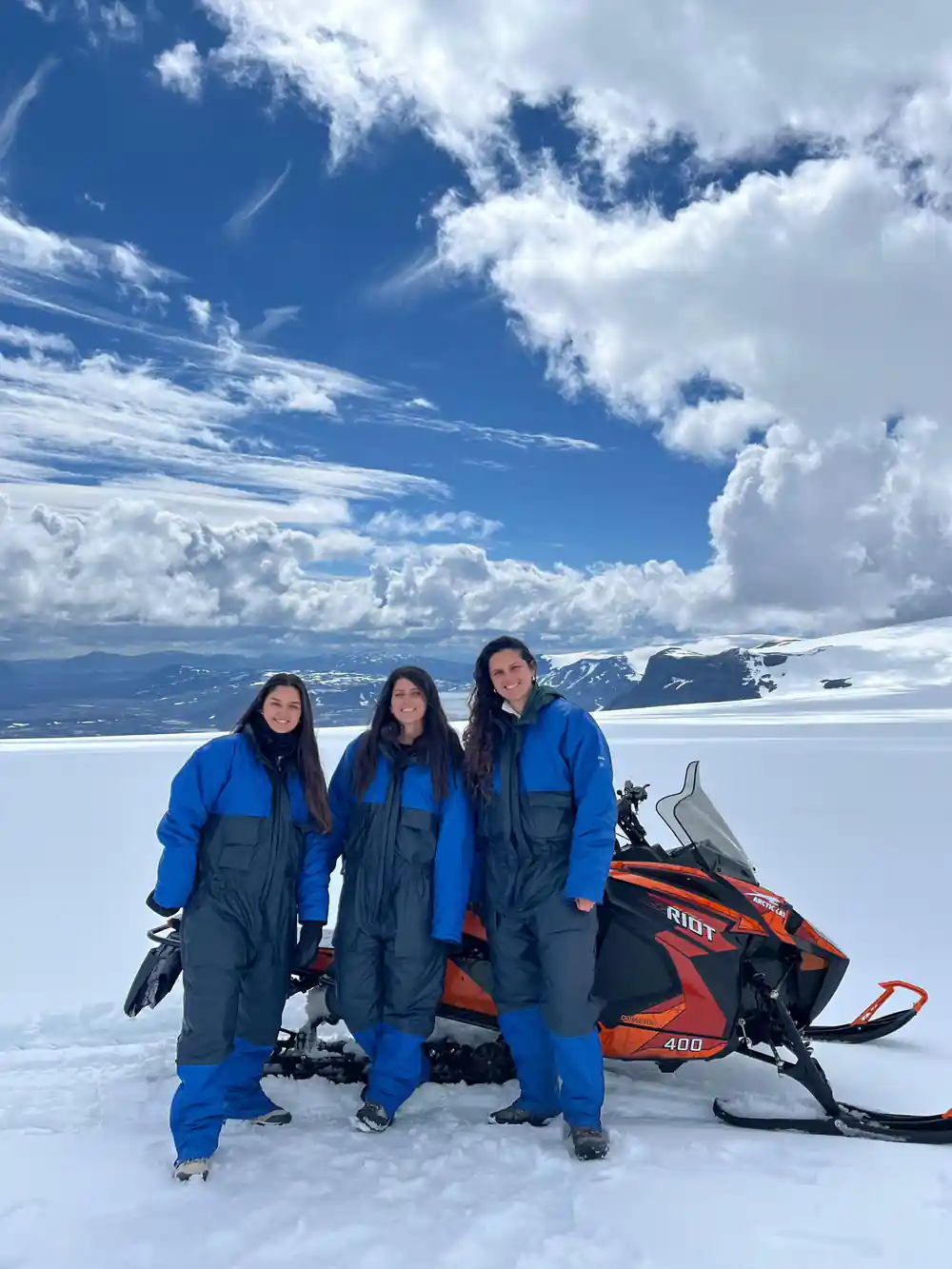
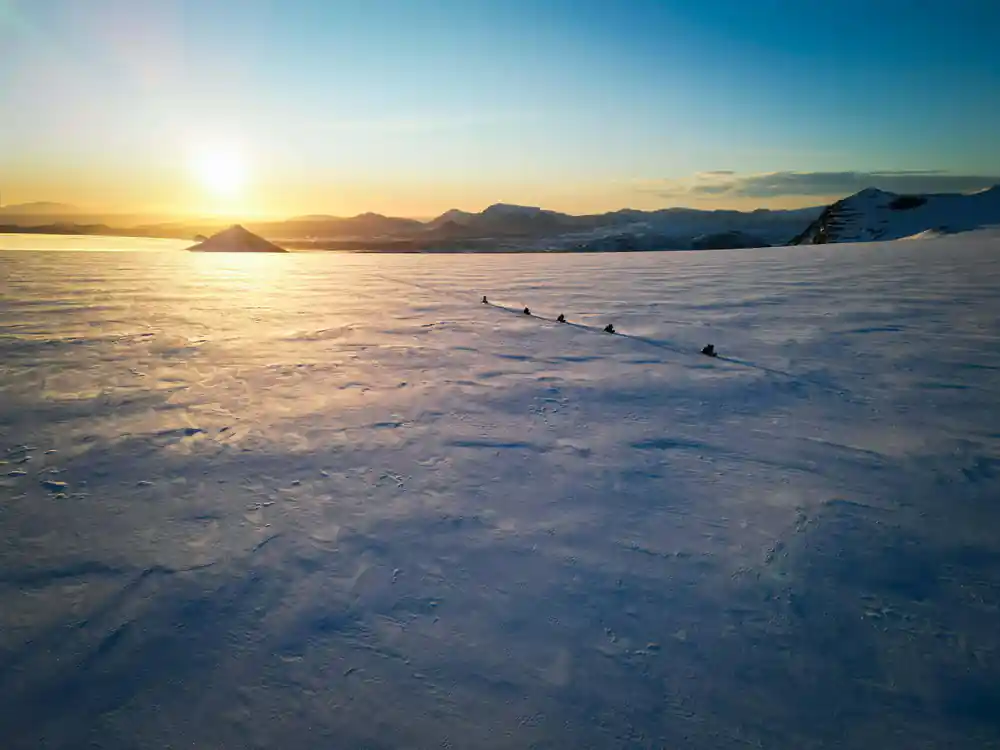
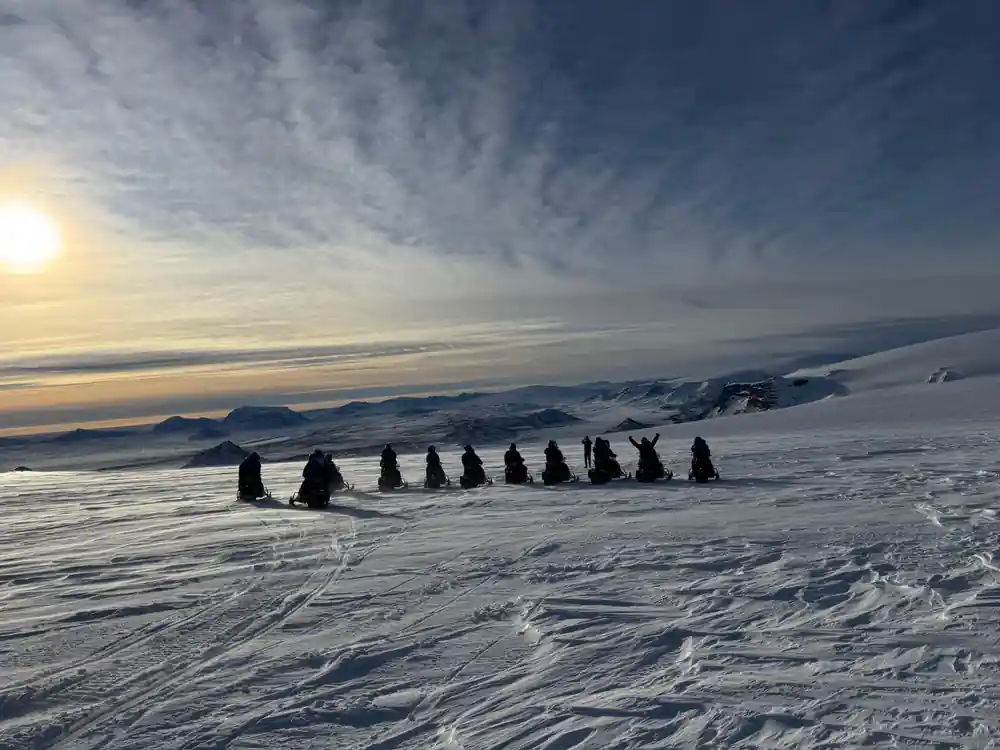
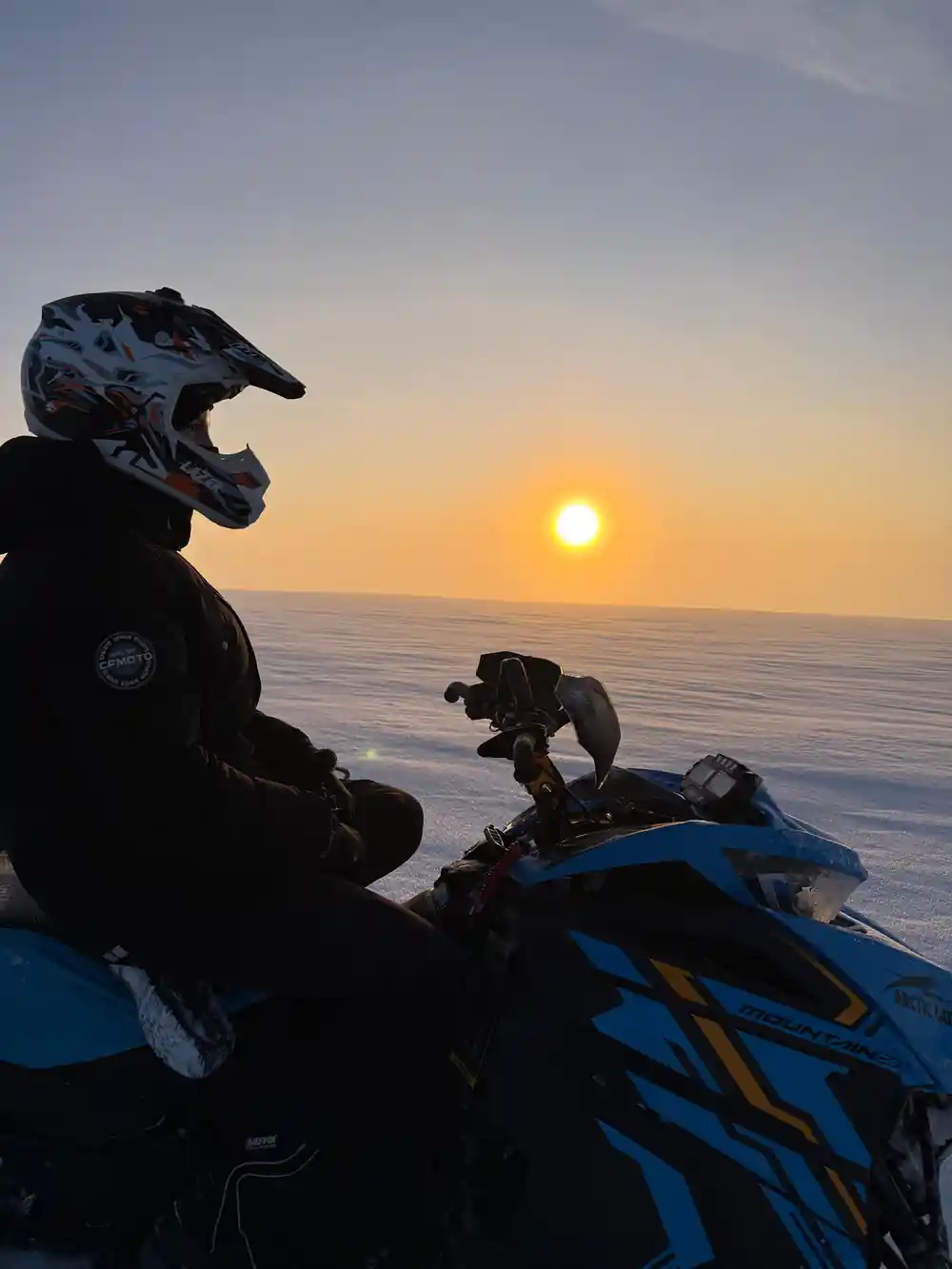
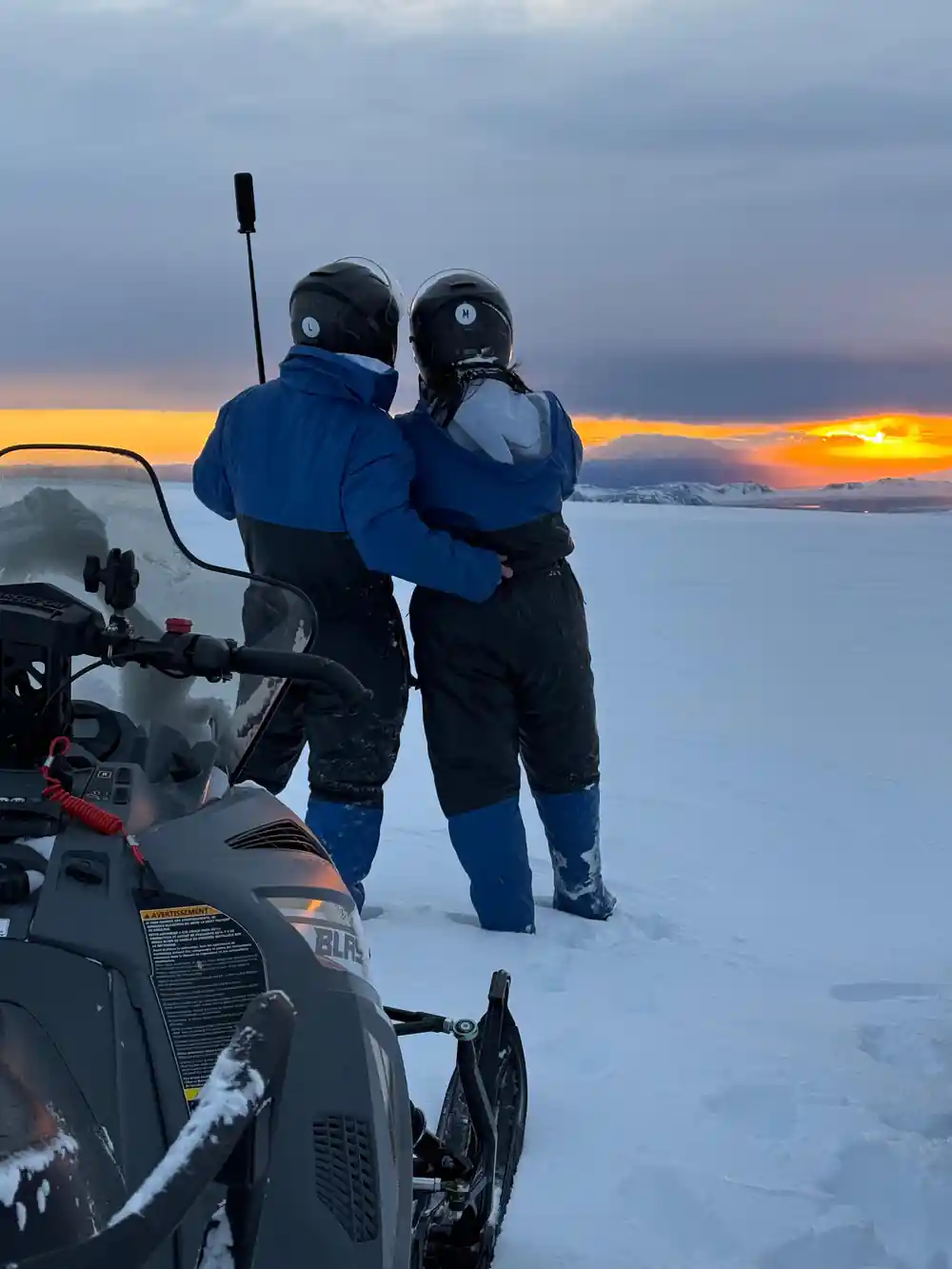
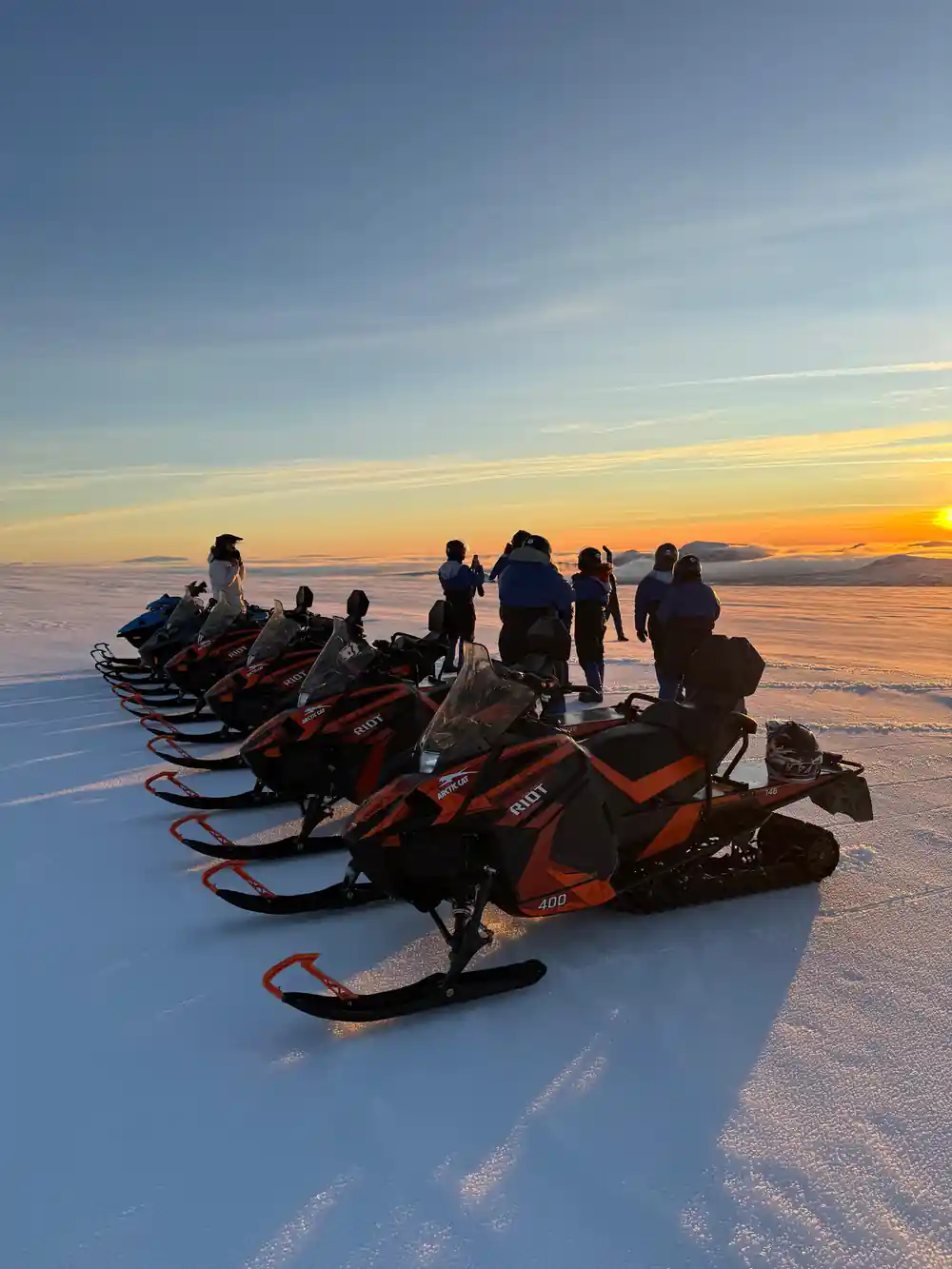
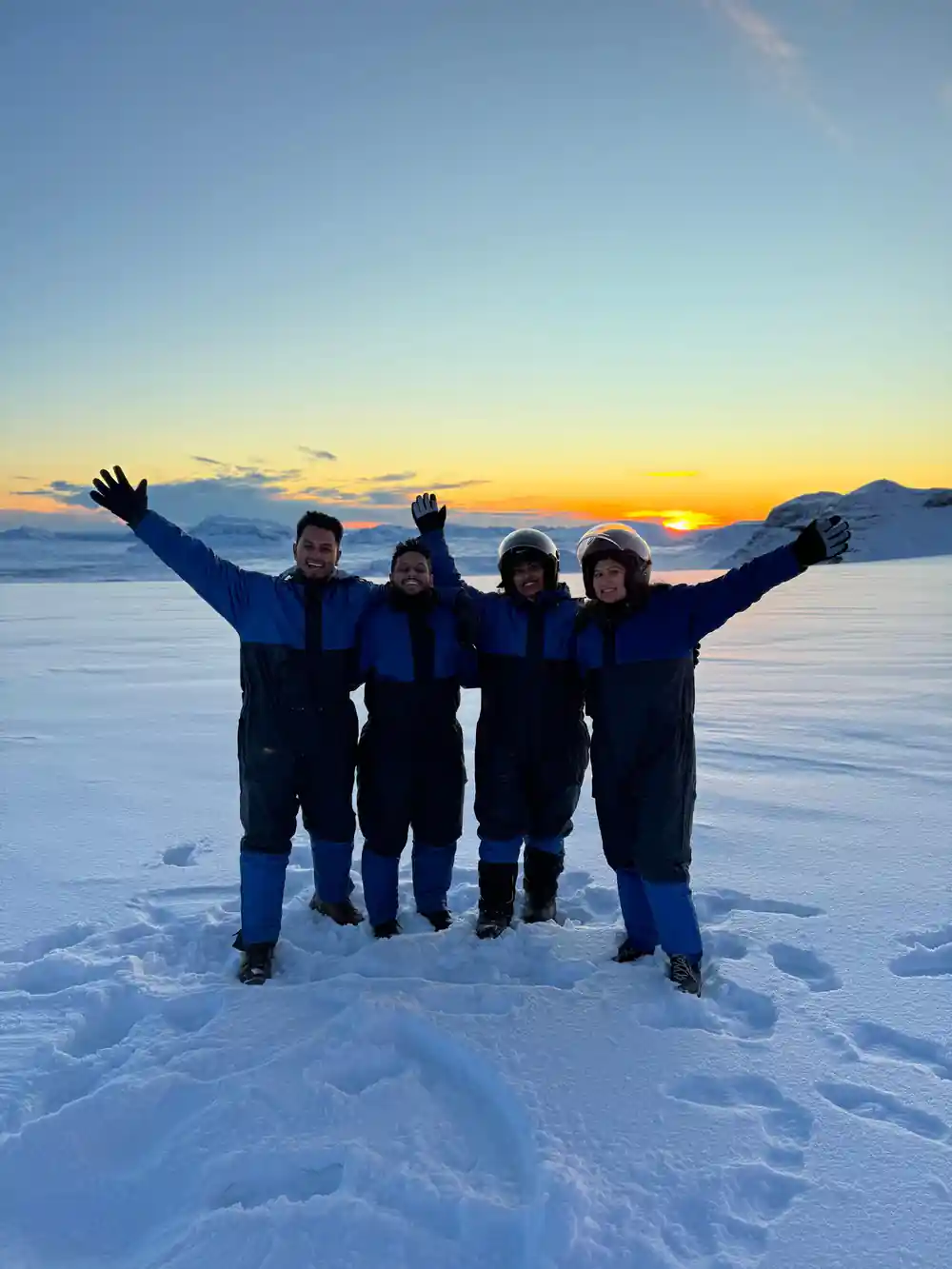
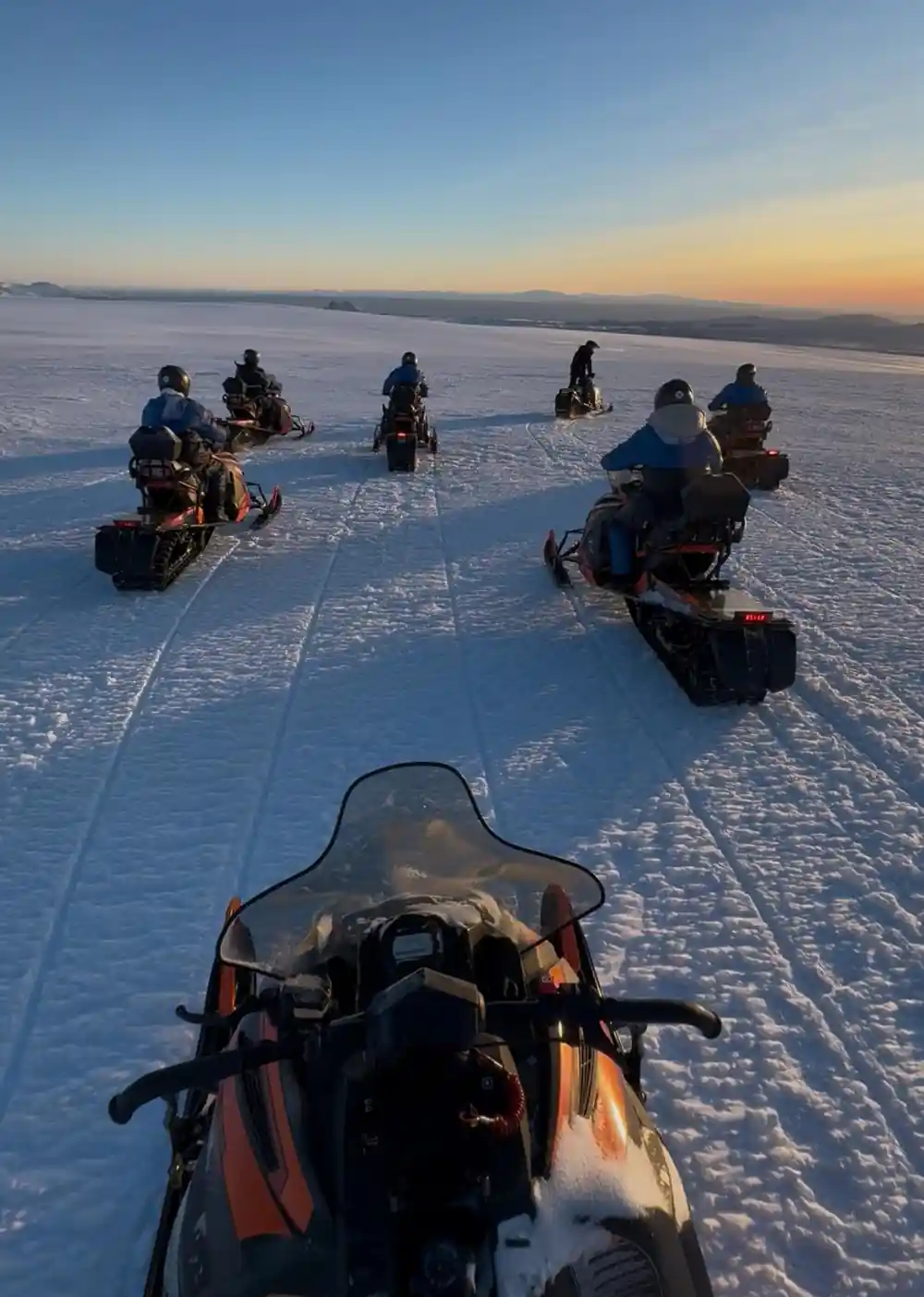
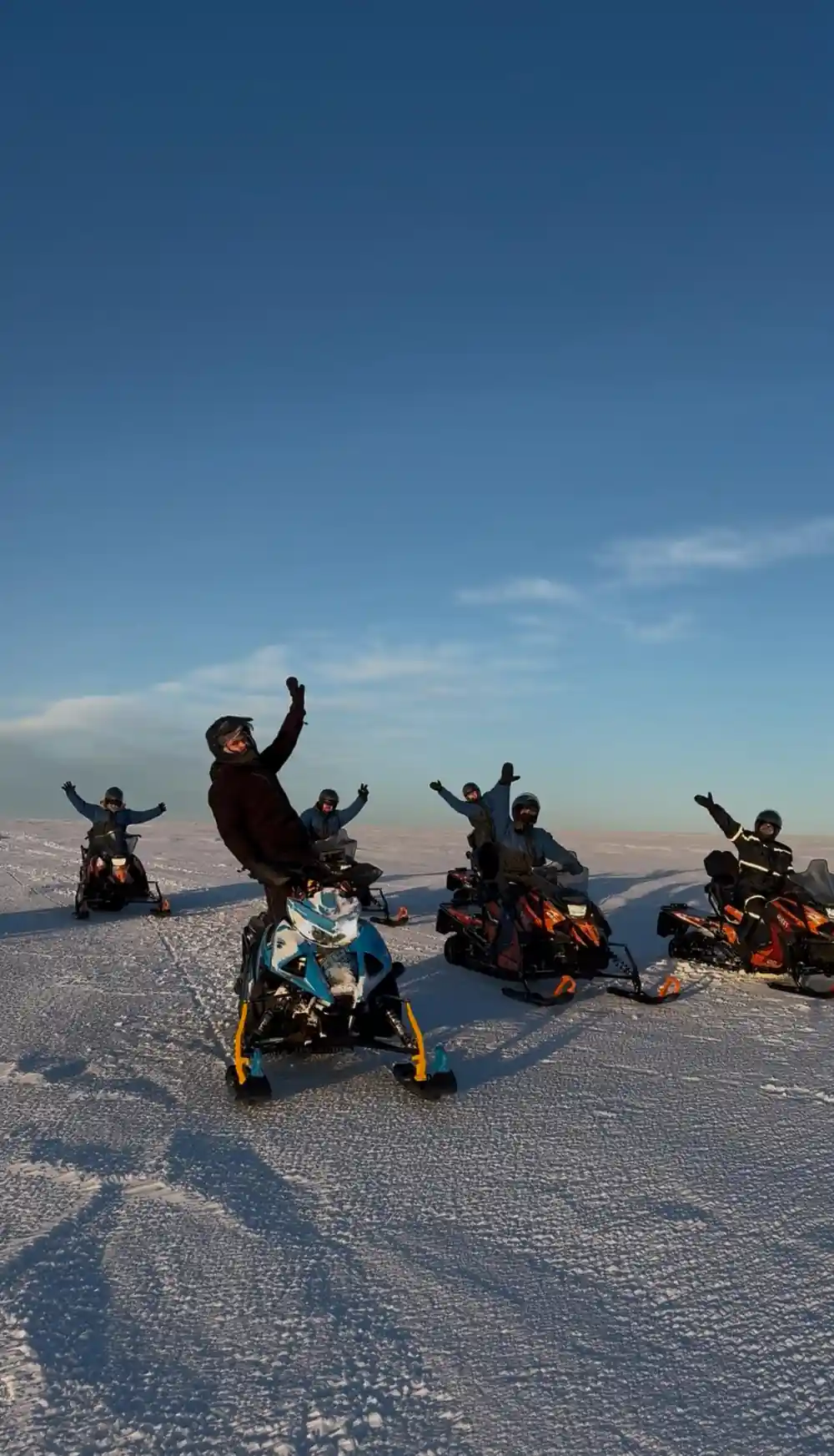
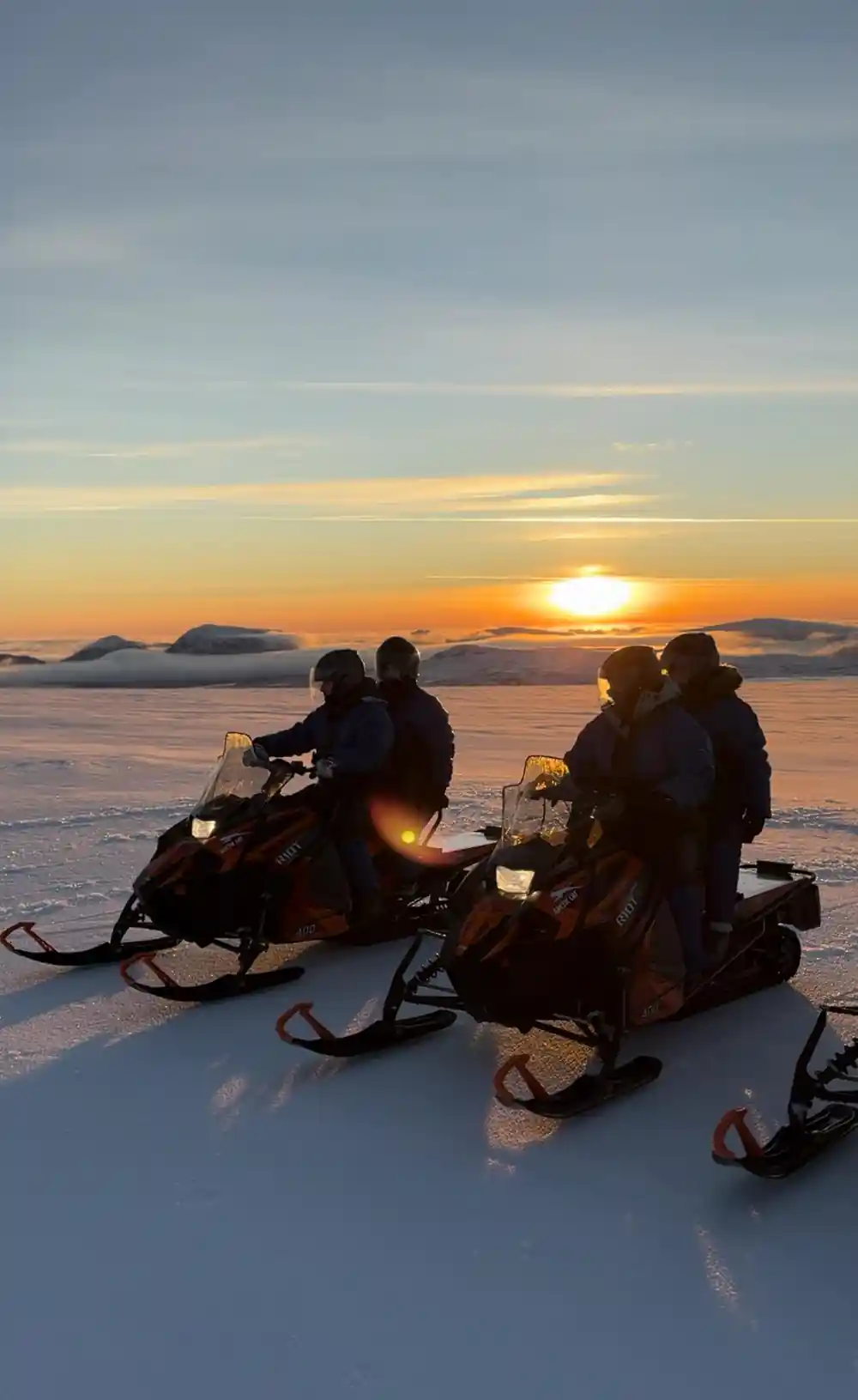
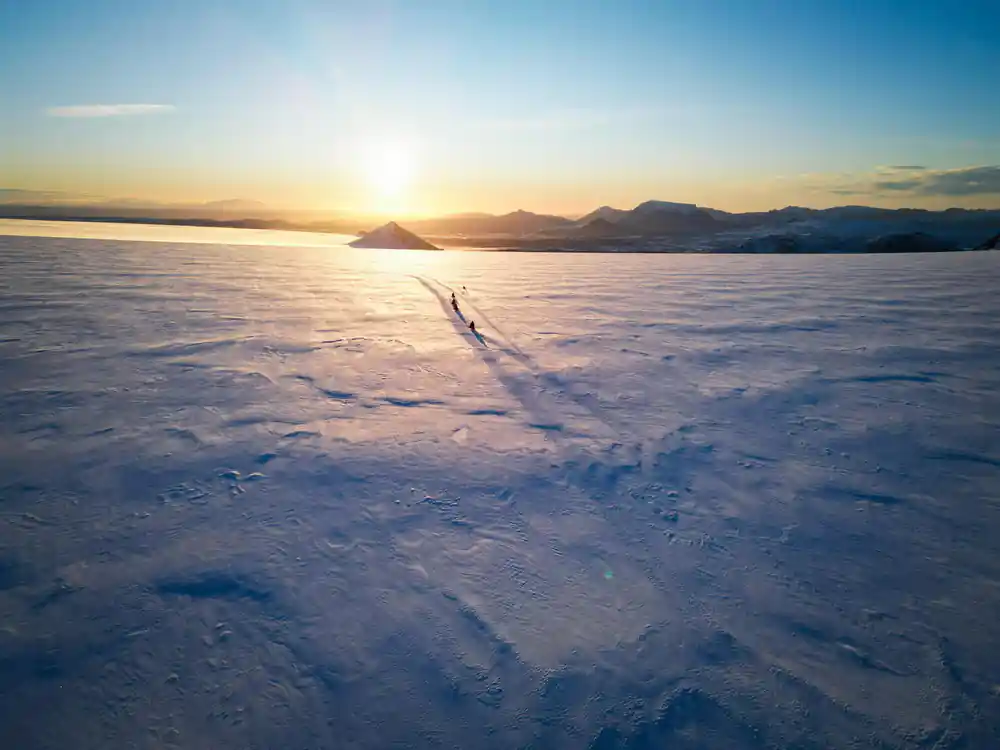
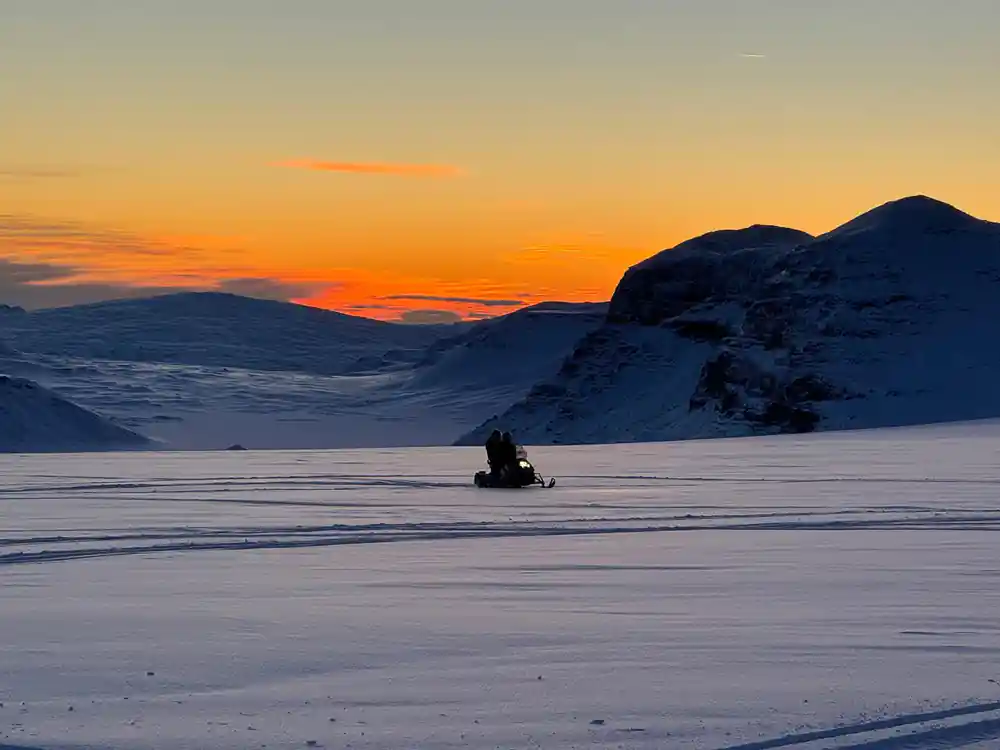
Yes, there are pauses built into the experience specifically for photography. Your guide will bring the group to scenic points where you can dismount safely, remove your helmet, and frame shots without the vibration and motion of riding. These stops let you capture the scale of the ice cap, the surrounding mountains, and the quality of light that makes Langjökull distinctive. The guide knows the landscape and can point out the best angles and what you're actually seeing across the white expanse.
Depending on conditions and the group's pace, you may have several minutes at each stop. This is the moment to check your camera settings, adjust exposure for the bright snow glare, and take your time. Your guide's knowledge of the ice cap and local geography adds context that makes your images mean more when you review them later.
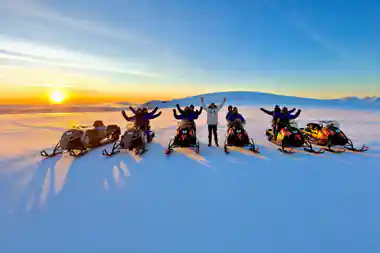
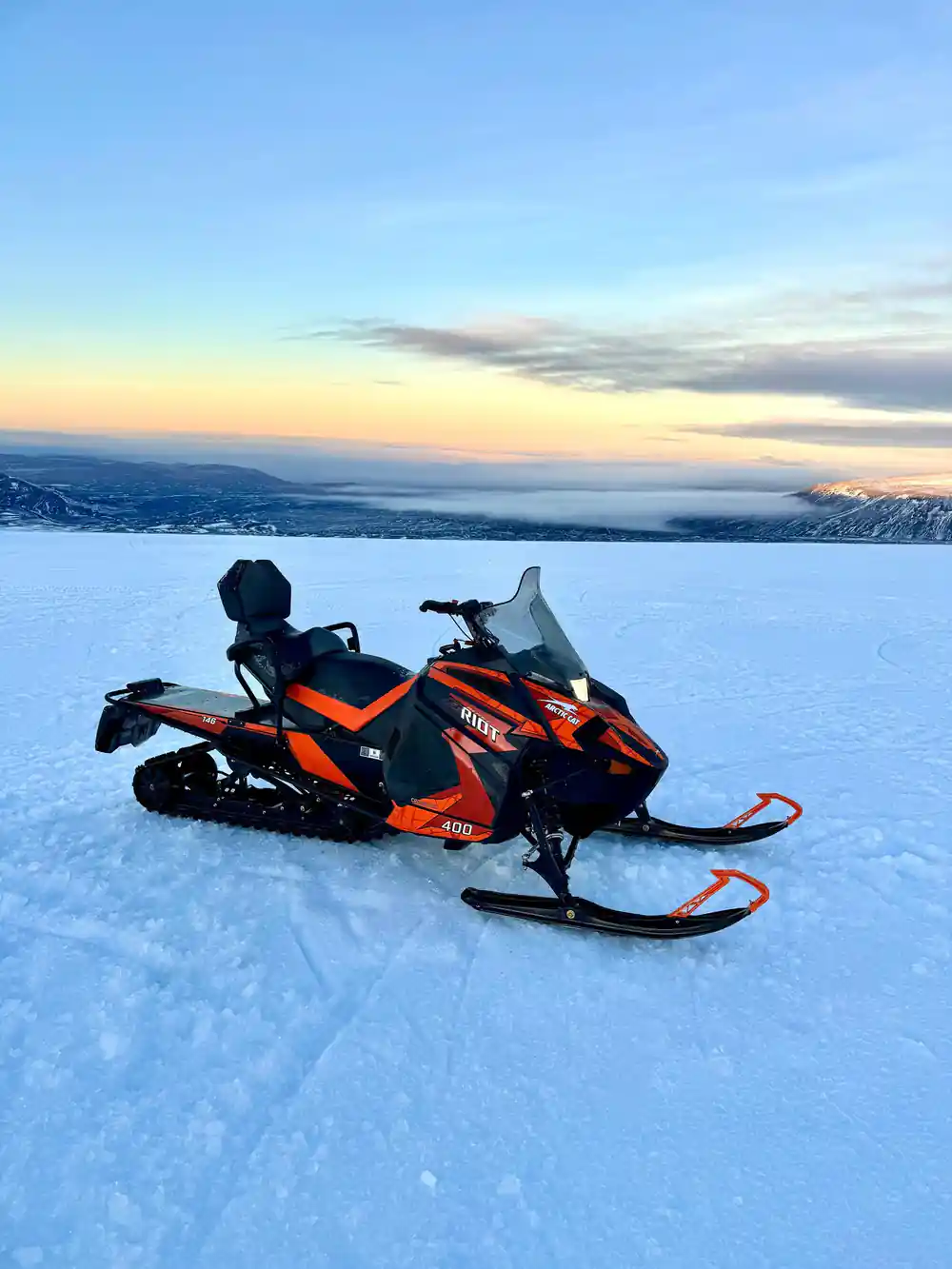
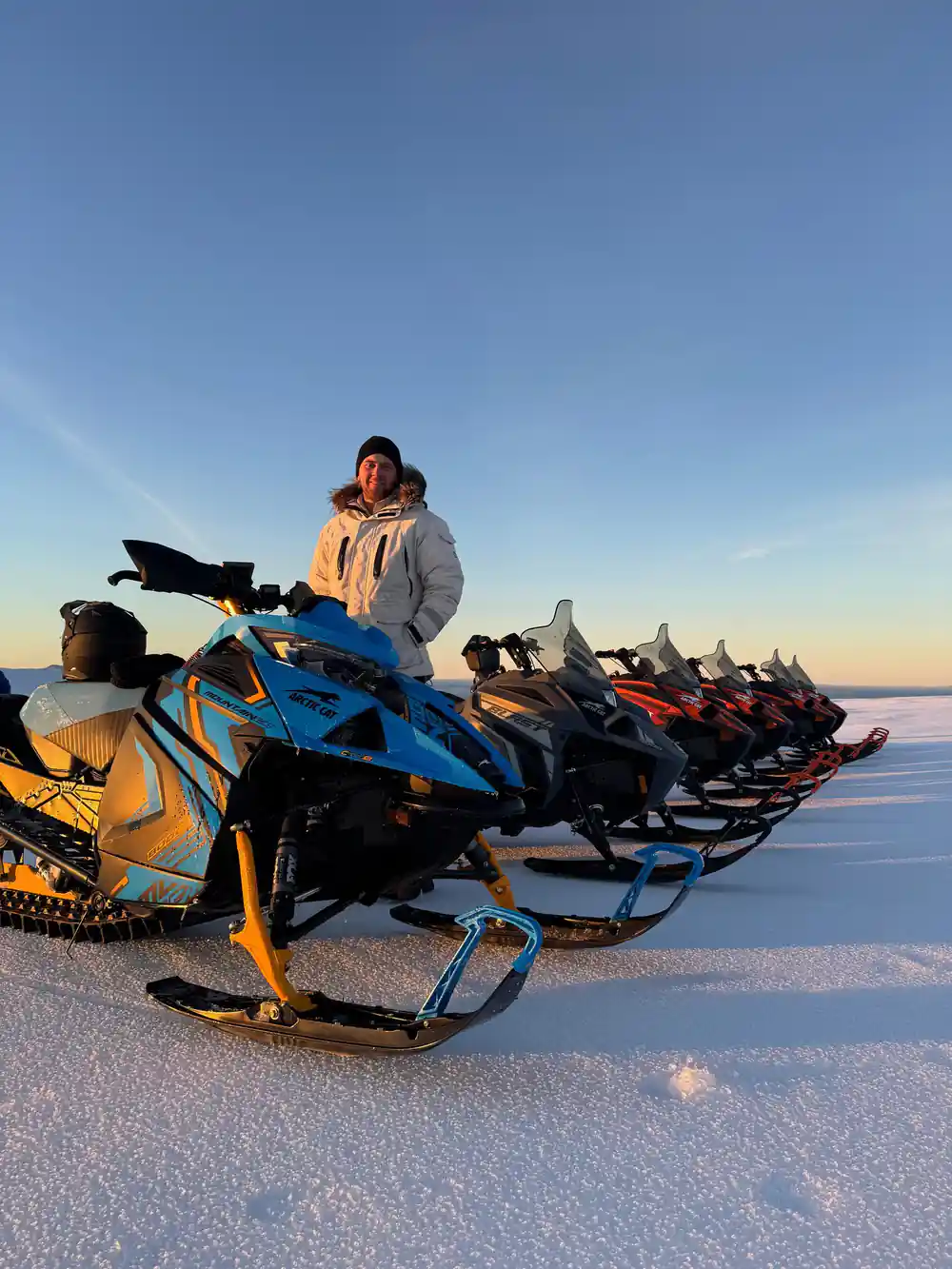
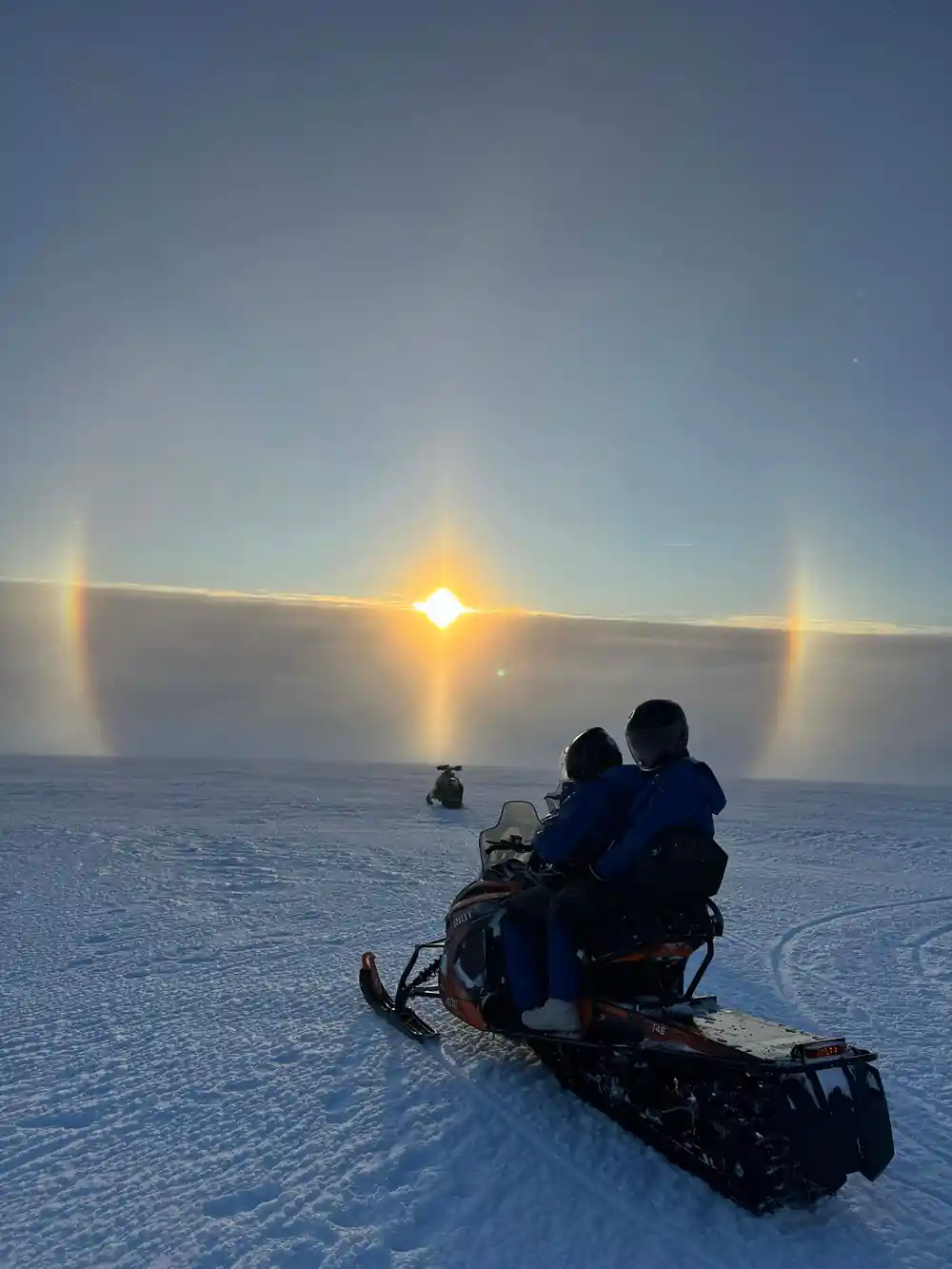
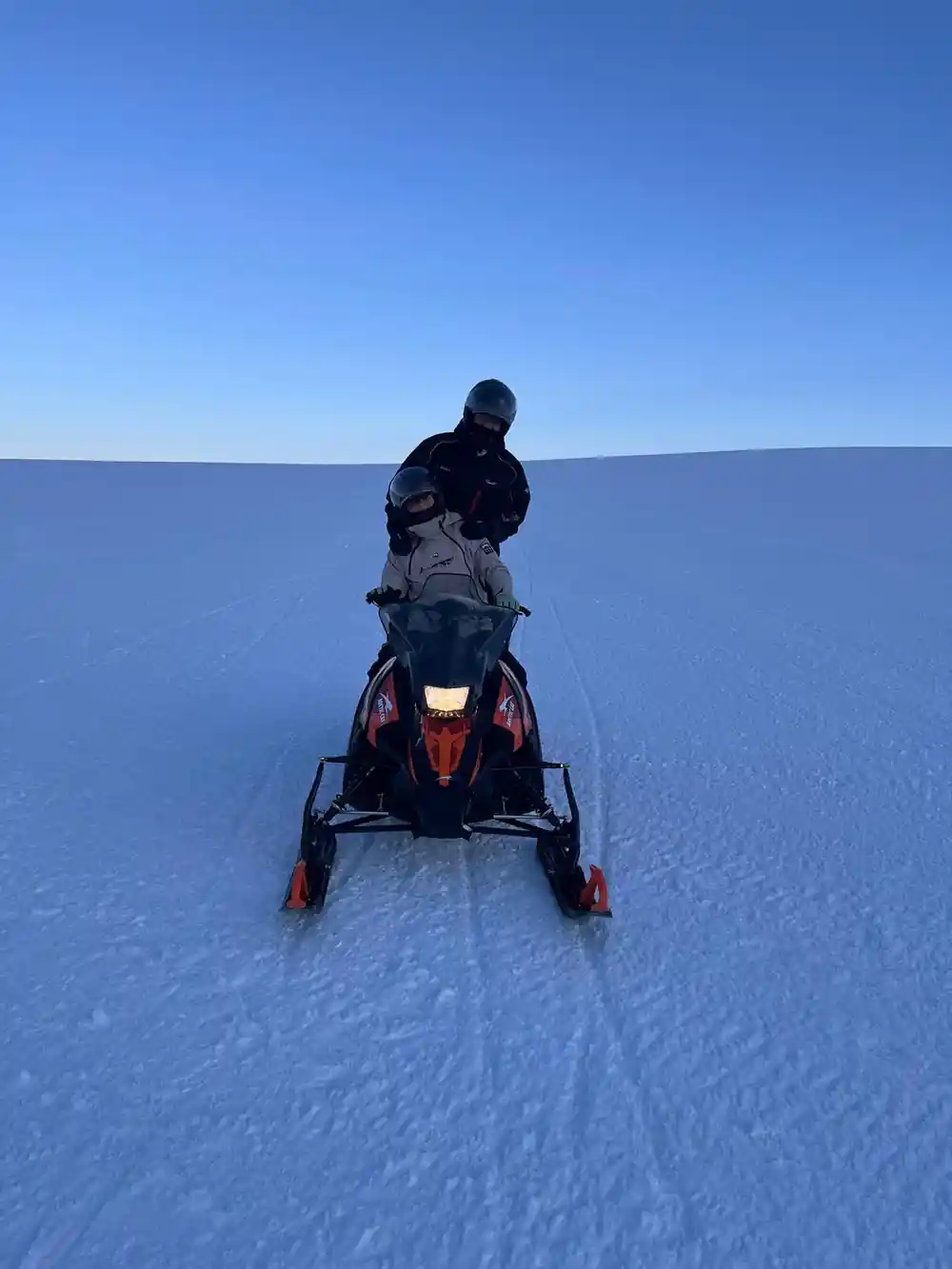
Capture the moment: photo stop on Langjökull's white expanse
Guide Photography and Sharing
Your guide is focused on safety and navigation during the ride itself, not on acting as a photographer. However, guides can offer advice about composition and camera settings if you ask, and they understand the landscape well enough to suggest where to point your lens. If you want someone to photograph you on the glacier, ask your guide at the start of the tour; they may be able to help during a photo stop or coordinate with other guides in the group.
The tour itself creates opportunities for photos, but the primary responsibility for capturing your experience rests with you and your group members. Come prepared to take pictures, or bring someone in your party who enjoys photography. Many visitors find that being behind the camera actually deepens their connection to the landscape.
Cold and Camera Batteries
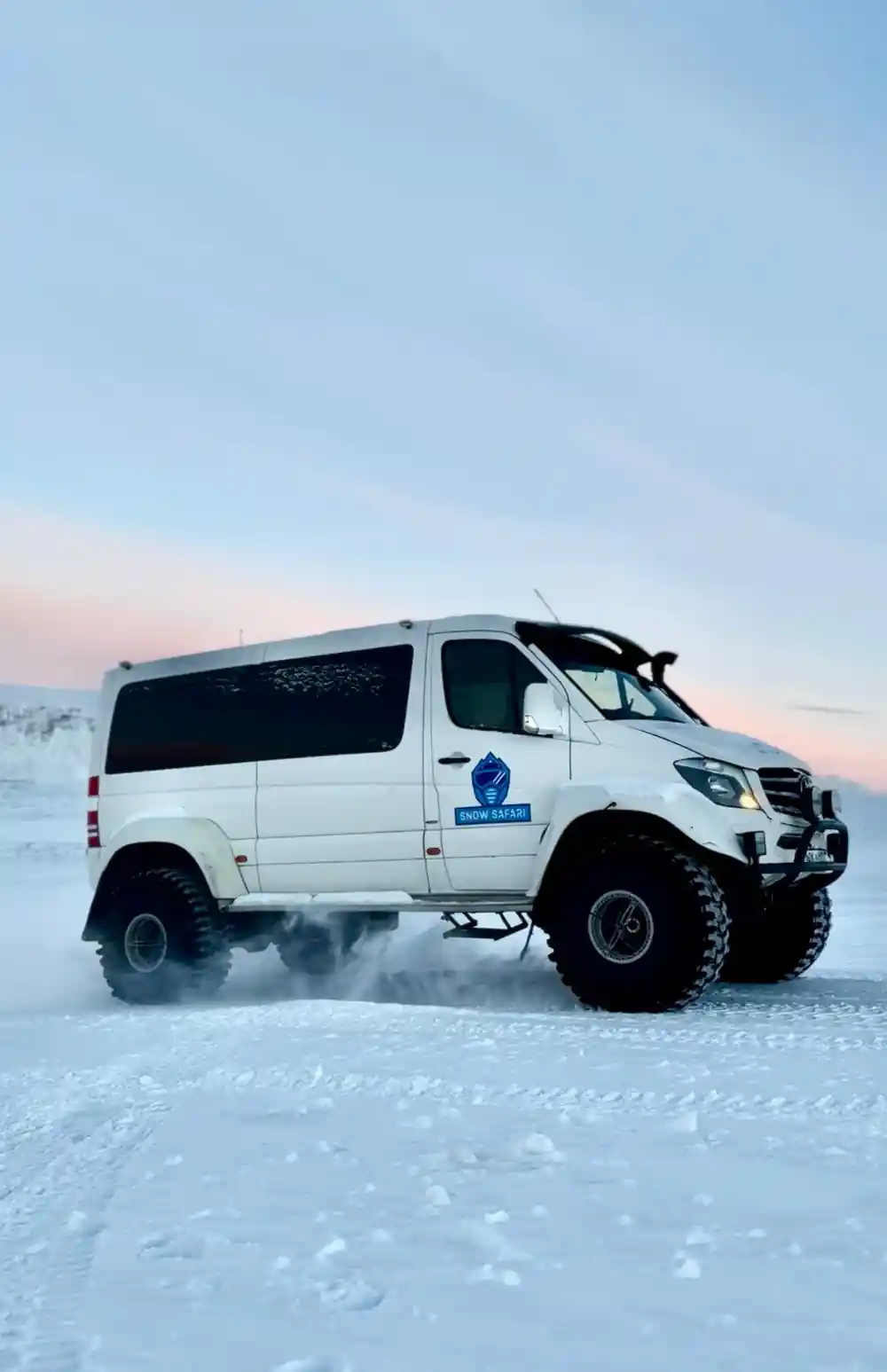
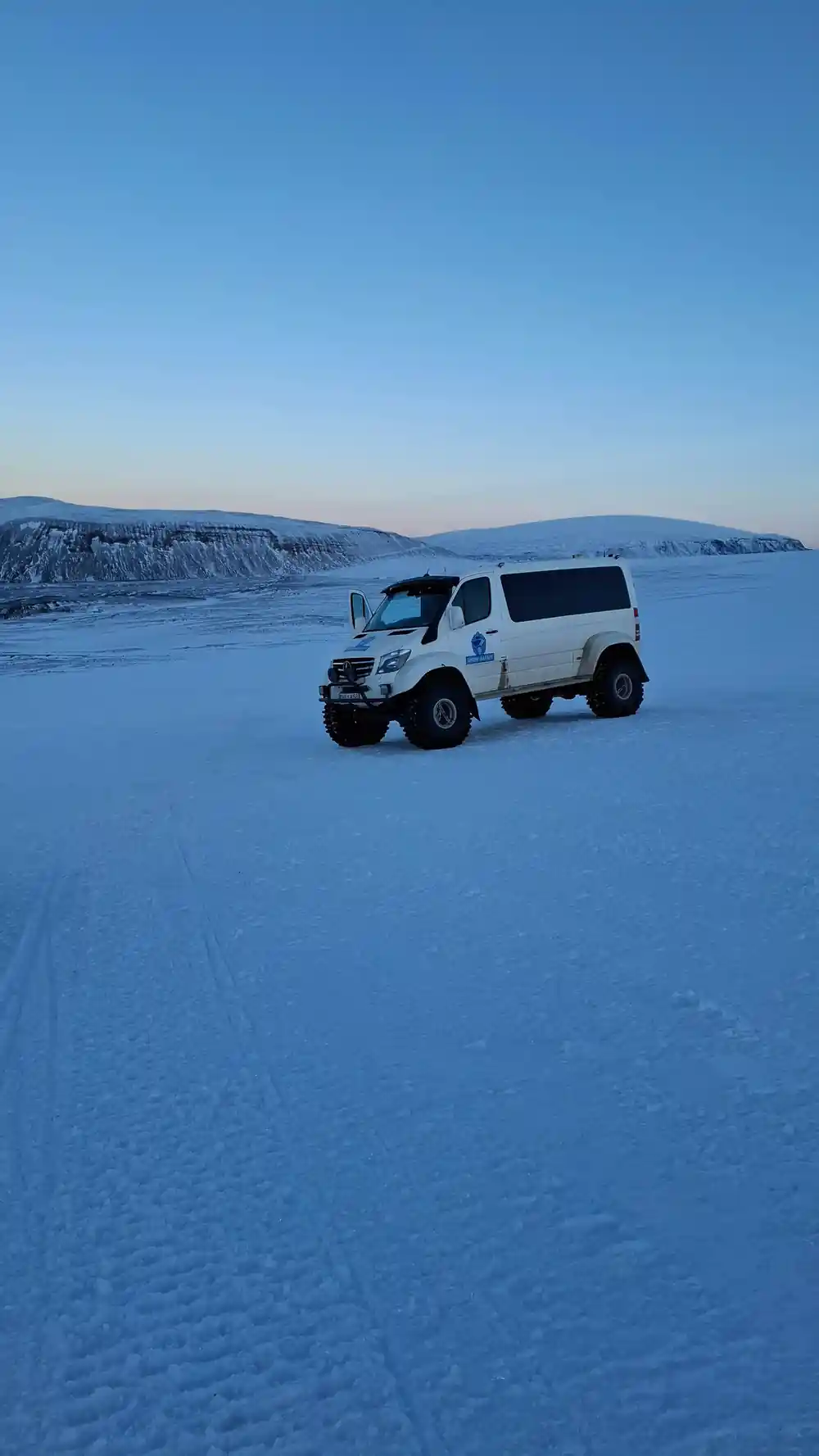
Battery drain in extreme cold is real and happens faster than you expect. Langjökull sits at altitude with temperatures often well below freezing, and the ride from Husafell climbs steadily as the Super Jeep ascends to the glacier. A phone battery at full charge can lose 20 to 40 percent of its capacity in just two hours of exposure to temperatures below minus 10 Celsius. A camera battery drains even faster, particularly if you're taking frequent photos in those conditions.
Bring a fully charged portable battery pack or spare camera batteries in an inside pocket, where your body heat slows the drain. Keep your phone or camera against your body as much as possible rather than exposed to the wind. If your device powers down from cold, it often restarts once it warms up indoors; the battery is not damaged, just temporarily unusable. Plan your most important shots for the start of the ride when batteries are fresh.
GoPro Mounting on Snowmobiles
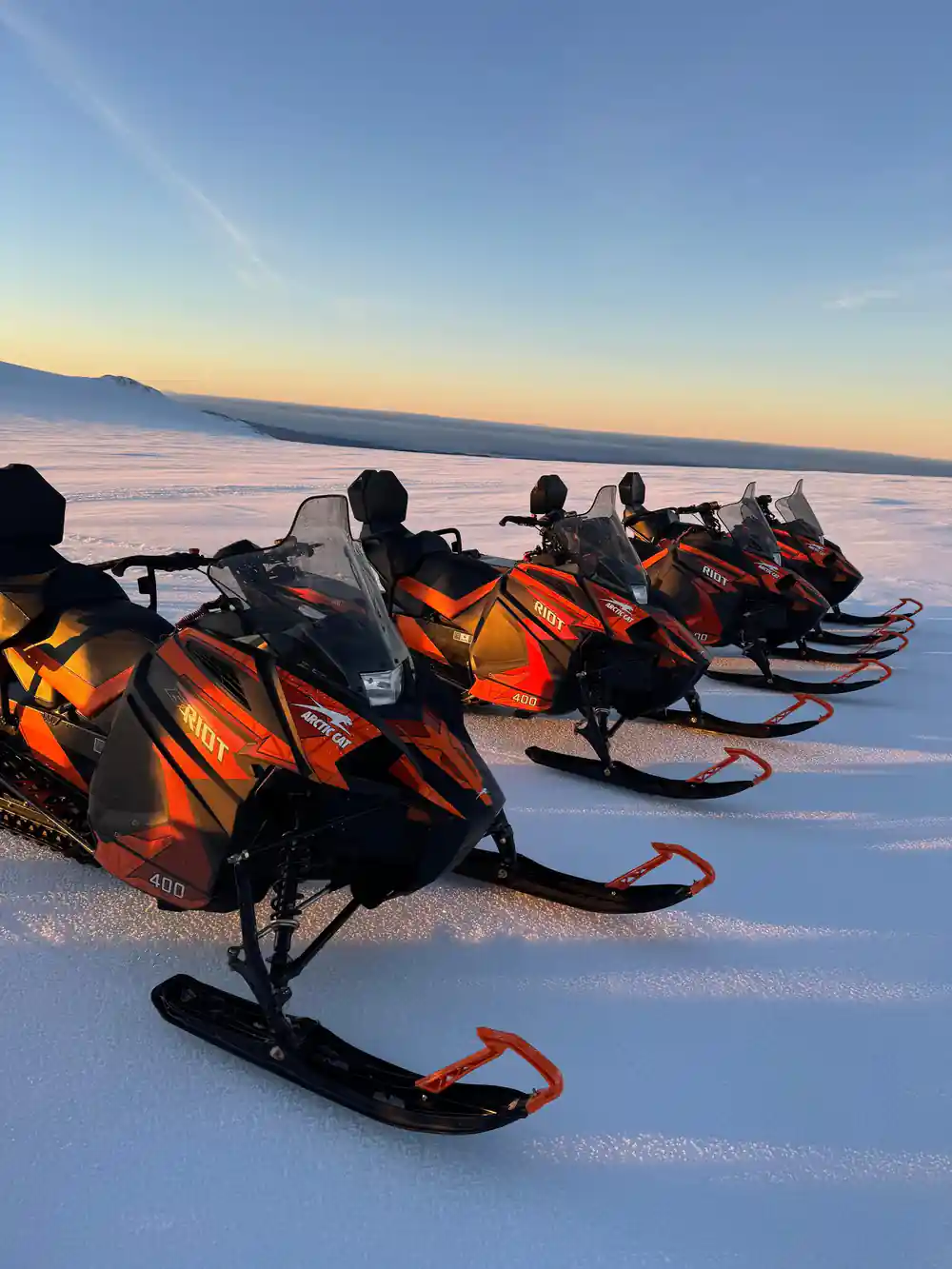
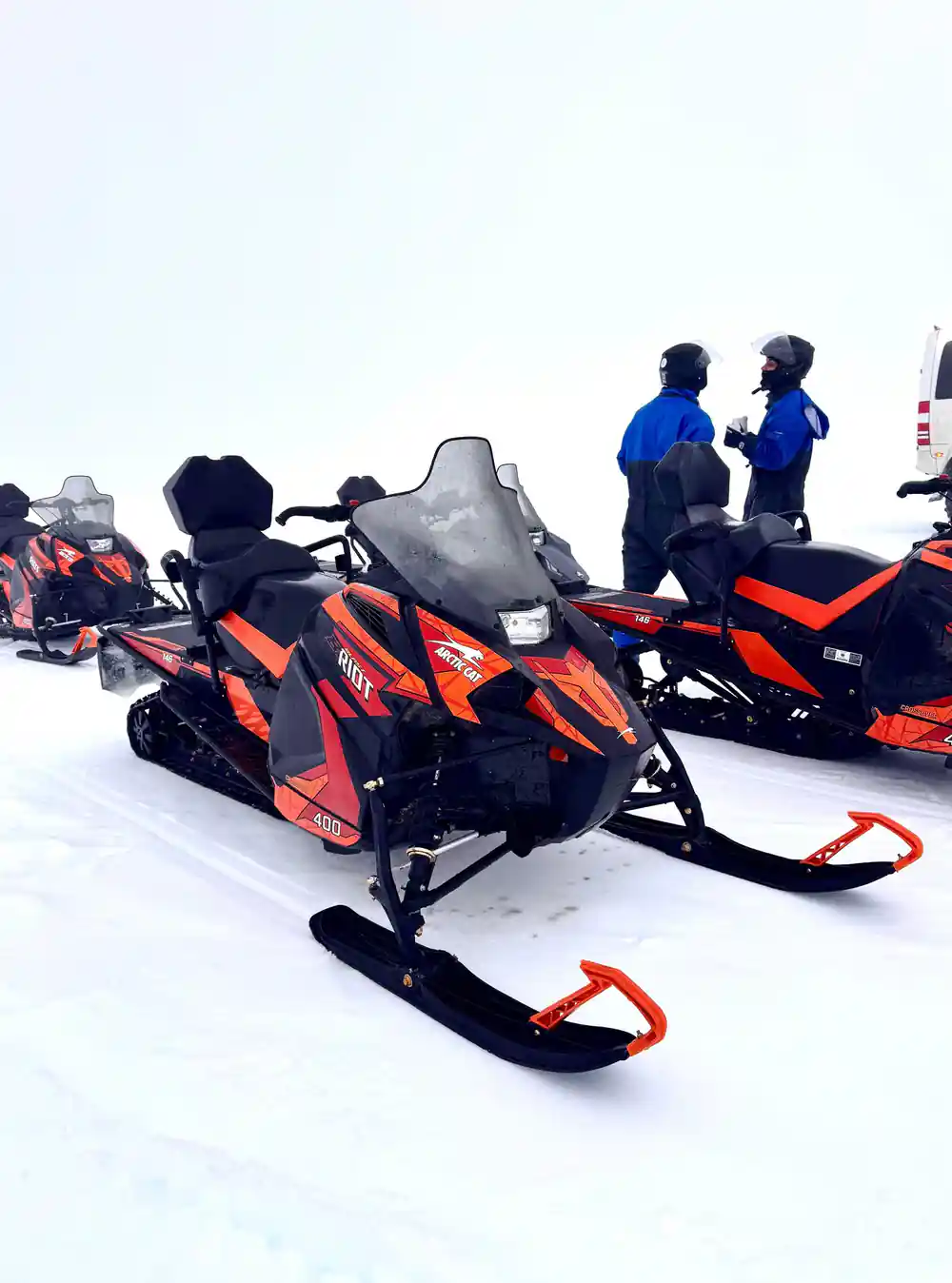
GoPro and similar action cameras can be mounted to the snowmobile helmet or body with approved brackets, and many riders do this to capture a first-person perspective of the ride. The standard helmet mount works well and keeps your hands completely free. However, check with your guide at the start about acceptable mounting locations on the specific machines you'll be riding; operators have rules about where external devices can be secured so they don't obstruct vision or create a safety hazard.
A helmet-mounted camera records audio that includes engine noise and wind, which can be loud in playback. Chest mounts or chin mounts on the helmet are alternatives if the chin mount doesn't interfere with your helmet's seal or your ability to turn your head. Bring spare memory cards and a charged battery or backup power bank, since cold drains these devices as it does phones and cameras.
Drones and Airspace Over the Glacier
Drone flights over Langjökull require specific permissions and are not permitted during active tour operations. The glacier sits within Icelandic airspace with regulations governing unmanned aircraft, and private operators are not authorized to fly drones over active tourist activities. If you want aerial footage of the ice cap, contact the tour operator in advance to ask whether they can arrange a licensed drone flight separate from the group snowmobiling experience.
Iceland's Civil Aviation Authority maintains strict rules about where and when drones can operate. Flying an unauthorized drone over Langjökull or near operating snowmobiles creates safety and legal problems. Leave the drone at home or plan a separate licensed aerial tour if capturing that perspective matters to you.
Goggles, Visors, and Clear Vision in the Cold
Fogging happens when warm breath and body heat meet the cold lens of your goggles or helmet visor. The classic solution is to crack the visor open slightly so air circulates across the lens, preventing condensation from building up. Many riders also apply anti-fog coating or spray to their goggles before the tour starts. Look for products sold at ski and snowsports shops; apply them according to the product instructions the night before so they set properly.
Prescription glasses worn under a helmet work fine as long as there is enough space inside the helmet for both the glasses and your head. Standard snowmobile helmets are designed with room for glasses. However, bring a microfiber cloth or small dry cloth in an inside pocket so you can wipe your lenses clear during photo stops if fogging does occur. Keep the cloth dry by storing it against your body where warmth won't make it damp. Sunglasses are useful for the ride because snow reflects intense light, and the glare can strain your eyes even when the sky is overcast; a pair of quality glacier glasses with UV protection reduces fatigue and helps you spot surface features and obstacles on the ice.
Capture the glacier with just 14 riders
from US$284Reserve now & pay later