At a glance
- Your guide knows every safe passage on Langjökull. All routes are marked and regularly checked for crevasses before each tour.
- With 14 guests maximum, your guide maintains close watch over every rider. Tight formation keeps everyone visible and accountable throughout the hour.
- You set the speed. Slow down, stop, or take a break whenever you need to. There's no pressure to keep up or go faster than comfortable.
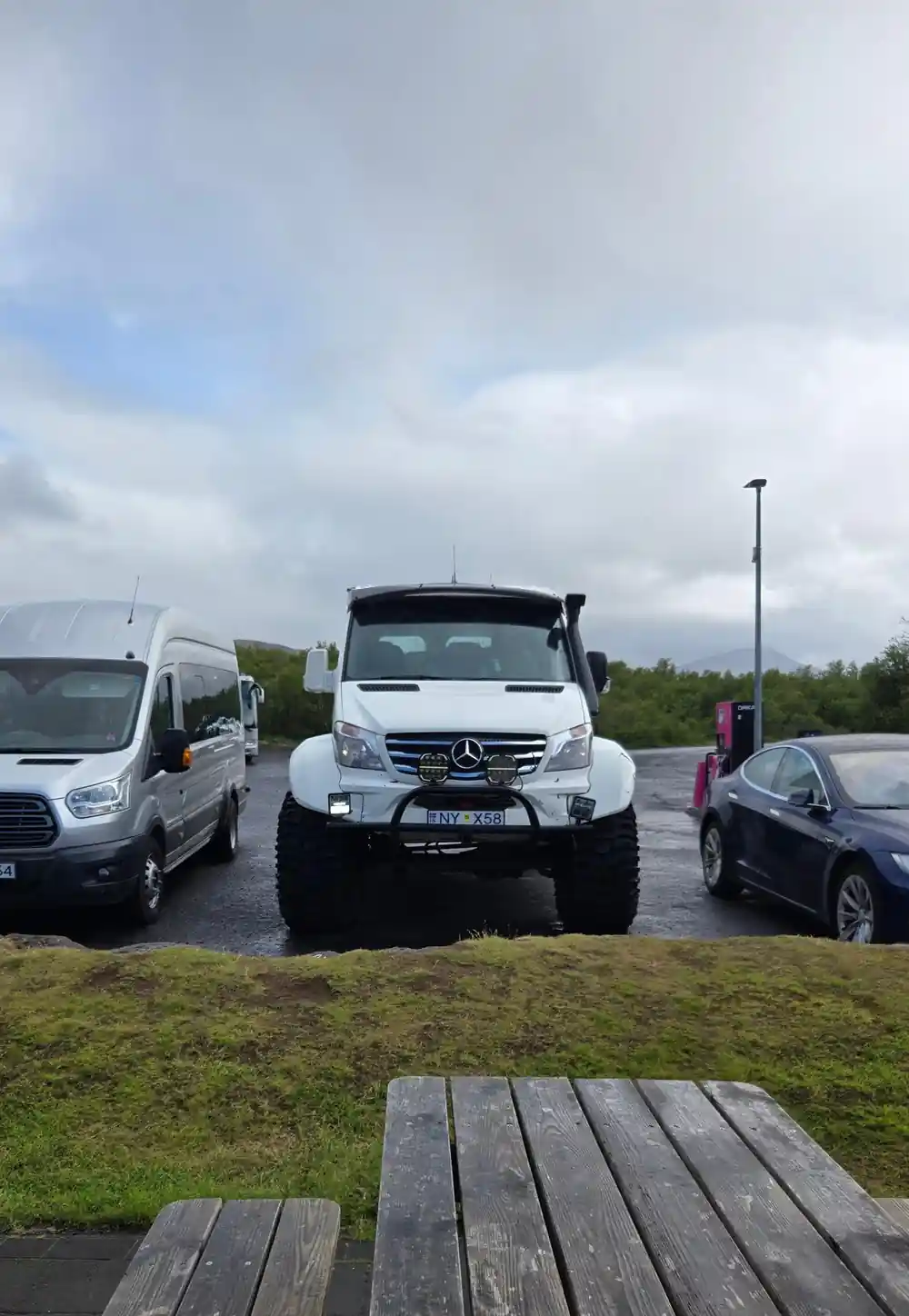
- Helmets, overshoes, and warm overalls protect you from impact and cold. Your guide fits everything properly before you leave the Jeep.
- Local guides are trained in glacier safety and emergency response. Help and communication are always within reach on the ice.
Crevasse Risk and Route Planning
Langjökull is an active glacier where crevasses form naturally as the ice moves and fractures. Your guides navigate a pre-established, regularly inspected route that avoids known crevasse fields. Before each tour, guides assess current ice conditions and mark the safe corridor with flags and GPS waypoints. The route itself is wide enough to allow visibility of the terrain ahead, and guides ride ahead of the group to confirm stability and passage.
If a new crevasse opens or conditions shift, guides are trained to spot surface warning signs: subtle depressions, color changes in the snow, or areas where the snow bridges have thinned. They adjust the route in real time rather than follow a fixed path blindly. This means your actual route may vary from day to day, always prioritizing the most stable ice available on the day of your ride.
Formation Rules and Speed Management
Riders stay in a controlled formation throughout the glacier portion. Your group maintains a set distance between snowmobiles, typically one sled length or more, so that if a rider ahead encounters an unexpected hazard, those behind have time and space to react. The lead guide sets the pace, which is thrilling but never reckless. Speed is limited by visibility, terrain condition, and the slowest rider's confidence level.
Guides communicate formation changes and route shifts using hand signals and radio headsets built into helmets. This keeps the group coordinated without shouting over engine noise. If a rider feels uncomfortable or wishes to slow down, they can signal the guide without stopping the entire group. The expectation is steady progress across the glacier, not maximum speed.
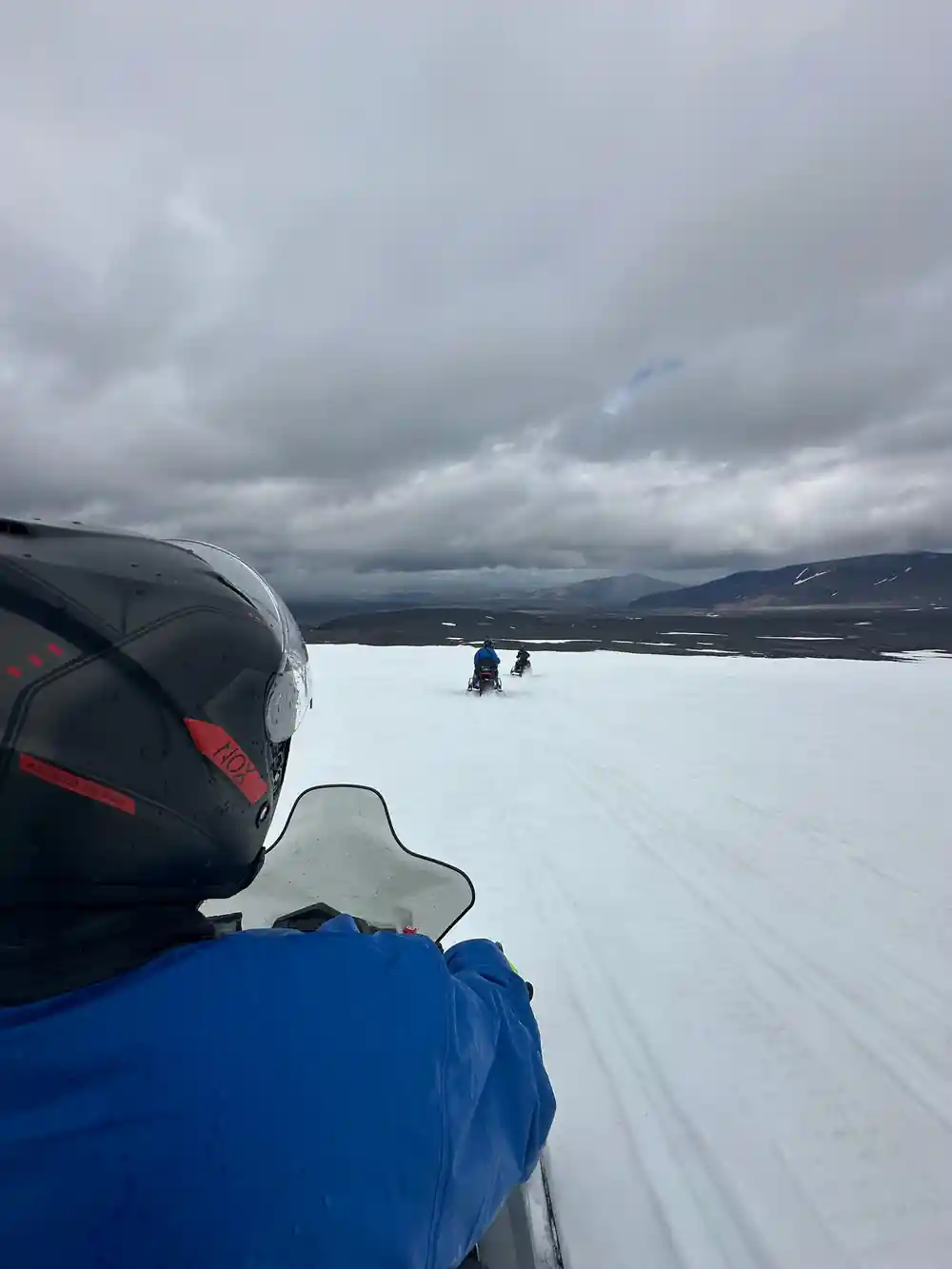
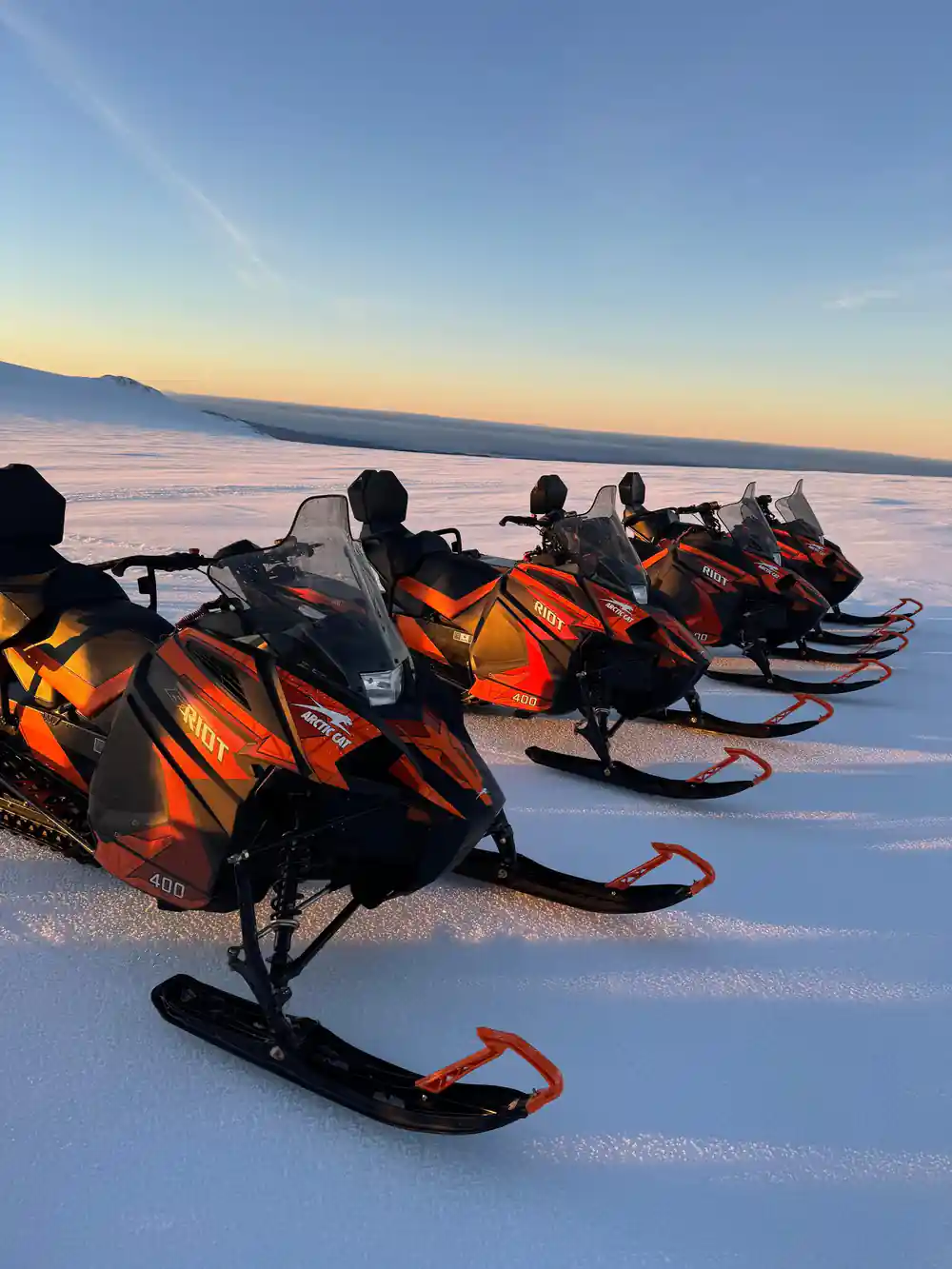
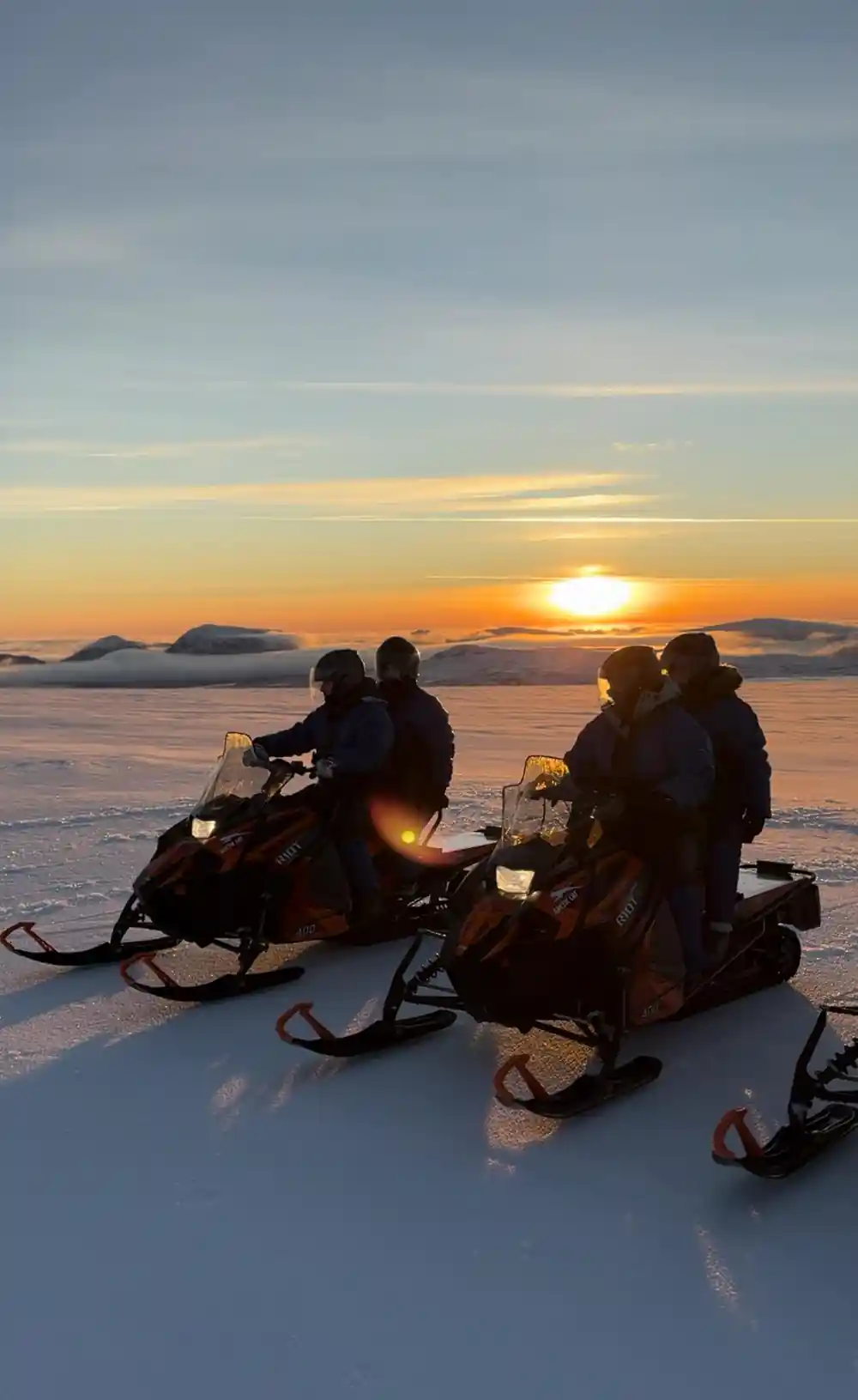
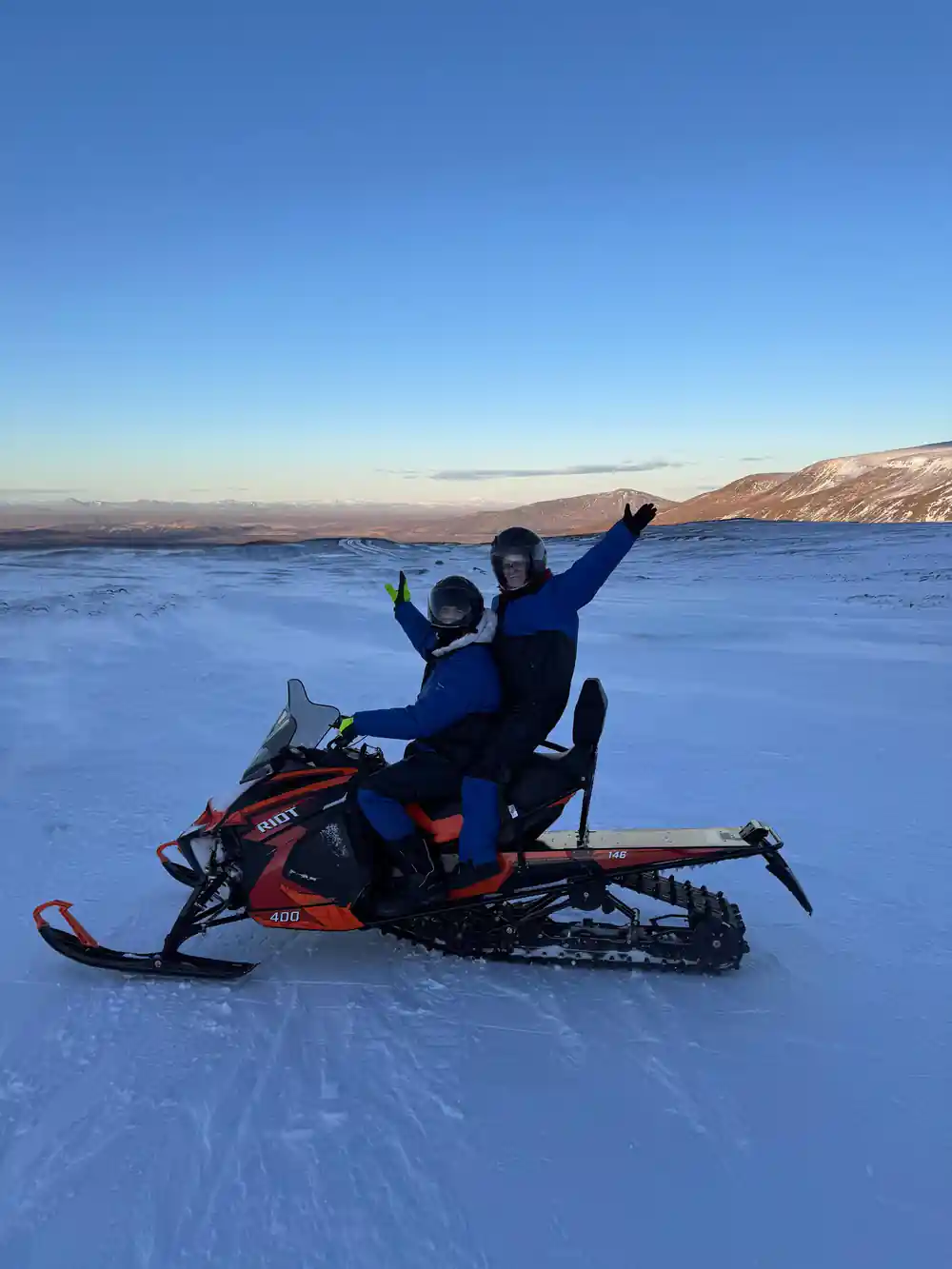
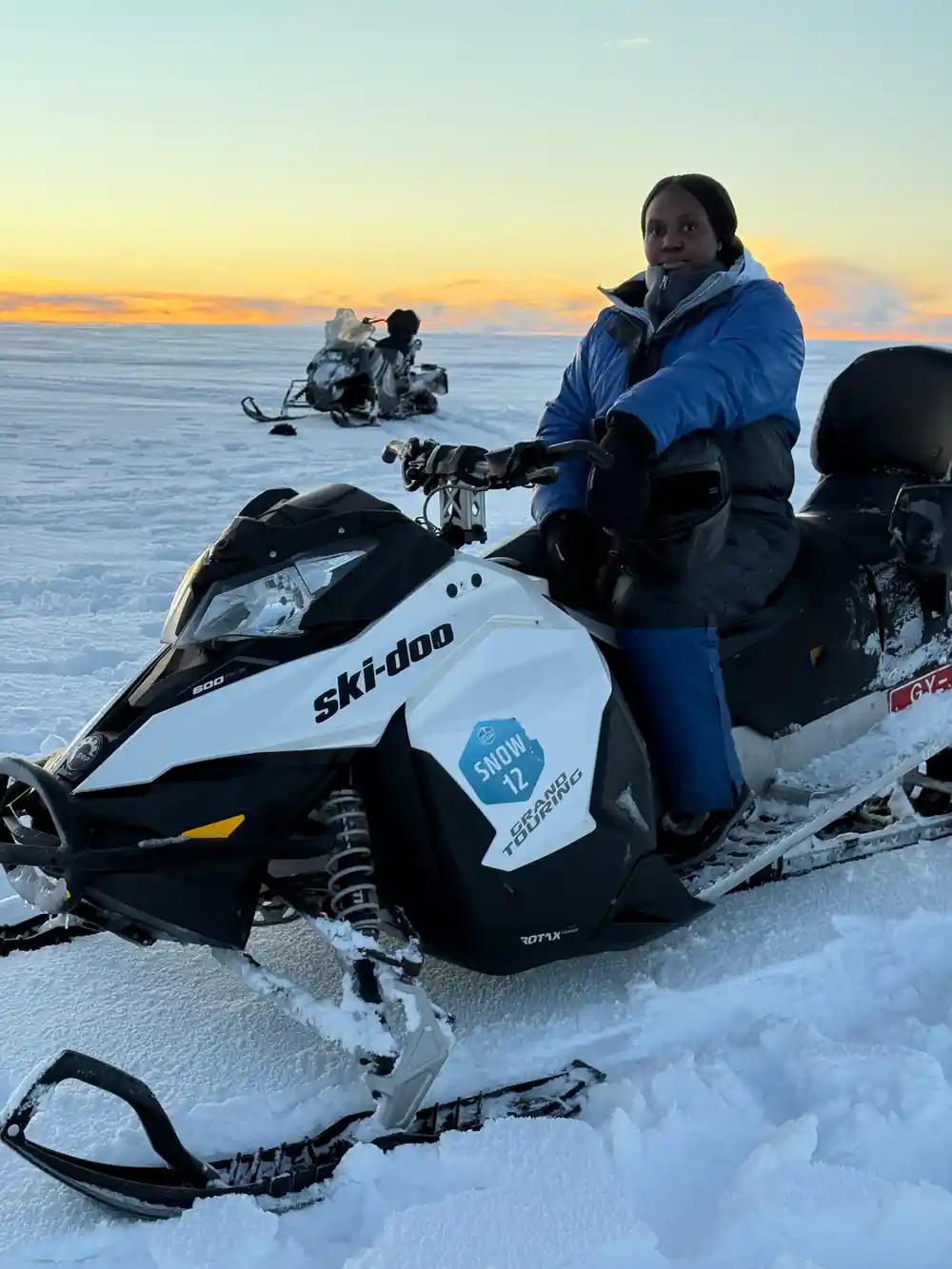
Guided formation riding across Langjökull's marked snowmobile routes
What Happens When Visibility Drops
Langjökull's weather can change within minutes. If fog, snow, or whiteout conditions develop, guides immediately reduce speed and tighten the group formation. Headlights and high-visibility buffs worn by all riders help maintain visual contact. If conditions deteriorate beyond safe operating limits, the guide makes the decision to halt the group or return to lower ground where visibility improves.
Tours are scheduled for daylight hours when natural light provides the clearest conditions. However, guides are trained to navigate limited visibility using landmarks, GPS, and their knowledge of the glacier's terrain. They will never push forward if they cannot see the route ahead clearly enough to identify hazards. Rider safety overrides any schedule, and a partial tour beats a dangerous one.
Handling Stalls, Stuck Sleds, and Mechanical Issues
Modern snowmobiles rarely stall, but it can happen in extreme cold or when a rider operates controls incorrectly. If your snowmobile stops, guides know your location immediately because the group stays in radio contact. A support vehicle follows at a distance, equipped to tow a sled or provide a replacement. Recovery typically takes 15 to 30 minutes, and you'll either continue on a fresh machine or ride as a passenger with a guide.
A sled getting stuck in soft snow is more common than mechanical failure. Guides teach riders how to lean forward and build momentum to escape minor soft spots. If a sled truly bogs down, other riders do not attempt individual rescues. Instead, the lead guide calls the support team, and the stuck sled is extracted safely. This system prevents a rescue attempt from creating a second emergency.
14
With only 14 riders per group, guides maintain constant visual contact, ensuring every snowmobiler stays safe on the glacier.
Rider Falls and In-Field Safety
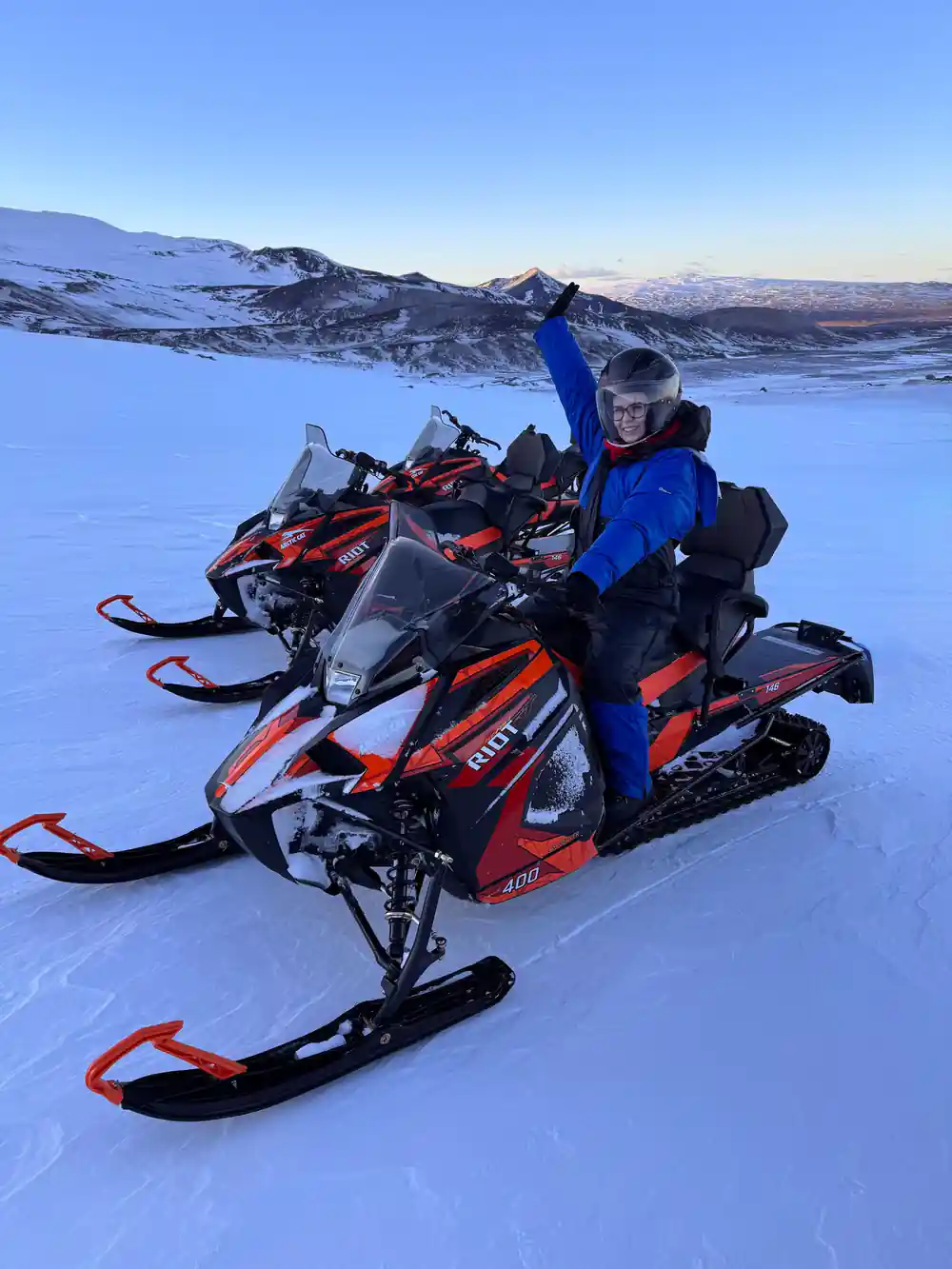
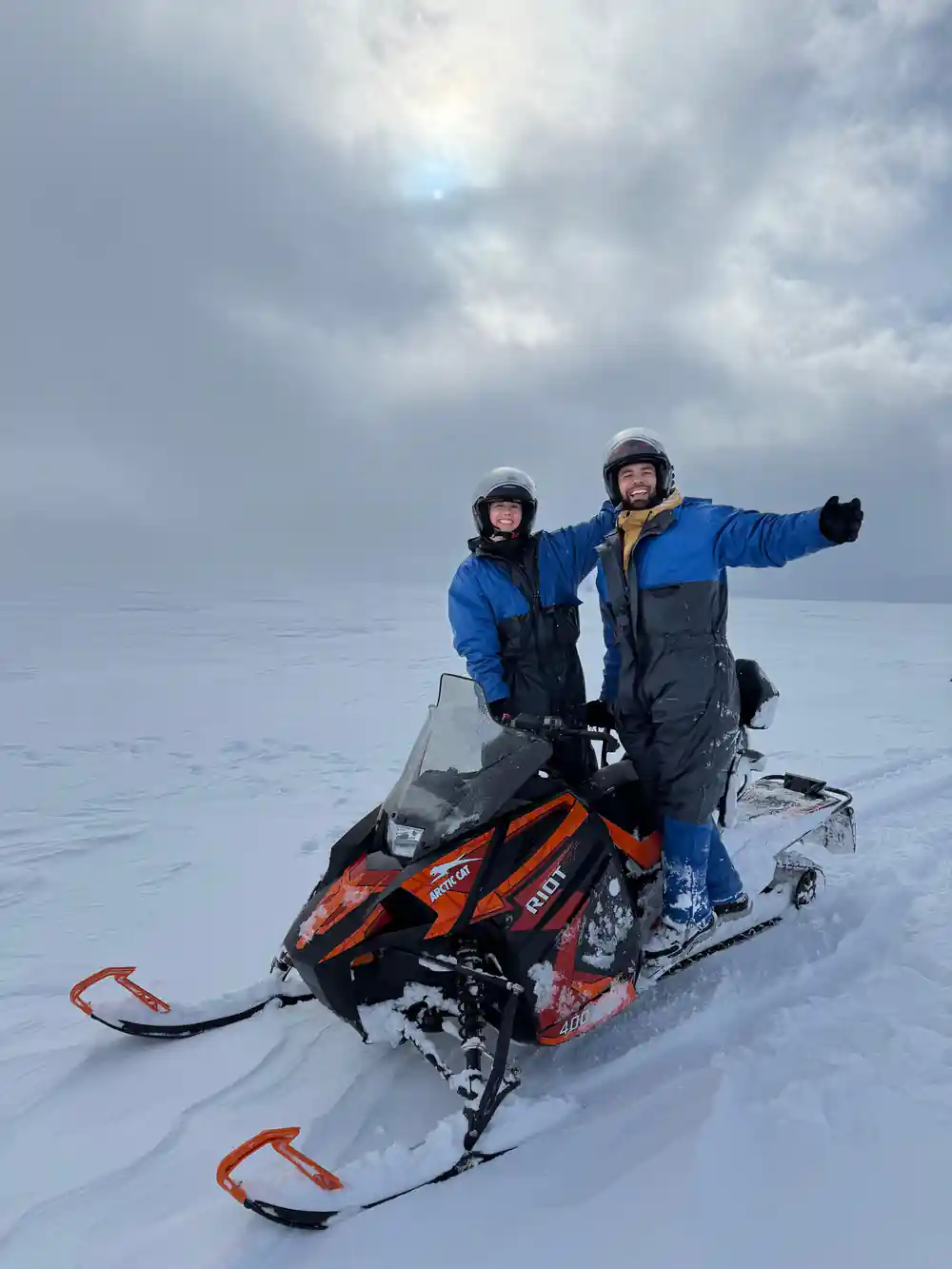
Falls are uncommon on groomed glacier routes, but guides prepare for them. Helmets, worn by every rider, are modern safety-certified helmets designed for impact protection and visibility. Buffs and warm overalls add a layer of protection from cold and impact. Guides watch for signs of fatigue or loss of control and will slow the group or pause if needed.
If a rider falls, guides stop immediately and perform a quick assessment. Minor falls with no injury allow the rider to remount and continue at a slower pace if desired. For any injury concern, first aid is available on site, and guides are trained in basic emergency response. The support vehicle has communication to arrange evacuation if a serious injury occurs, though the glacier location means professional emergency services require time to arrive.
Rescue and Emergency Response on the Ice
A support team is always within communication range during your snowmobile ride. They carry basic medical supplies, extra fuel, and recovery equipment. In the event of a serious injury or mechanical failure that cannot be resolved on the glacier, guides radio for assistance and keep you calm and sheltered while help arrives. Langjökull's proximity to populated areas means emergency services can reach the glacier within an hour in most scenarios.
Before your ride begins, guides brief you on emergency procedures and ensure you understand the radio protocol. You will know who to contact and how, what signals mean help is coming, and what to do if you become separated from the group. This preparation reduces panic and helps everyone respond correctly if something unexpected happens.
What You Control: Turning Back and Setting Your Own Pace
You have agency during this tour. If at any point you feel unsafe, uncomfortable, or overwhelmed, you can signal your guide and slow down or stop. Guides will not force you to continue if you wish to return early. Some riders complete the full hour of snowmobiling; others prefer a shorter time on the ice. Both choices are valid, and guides accommodate either without judgment.
Before departure, be honest with your guide about your experience level and any physical concerns. This allows them to adjust their teaching, route choice, and pacing to match your needs. The goal is for you to enjoy the glacier safely, not to prove something. Guides have guided hundreds of riders with varying confidence levels, and they know how to build comfort and skill as the tour progresses.
Ready to ride? Book your glacier adventure
from US$284Reserve now & pay later
-
★★★★★
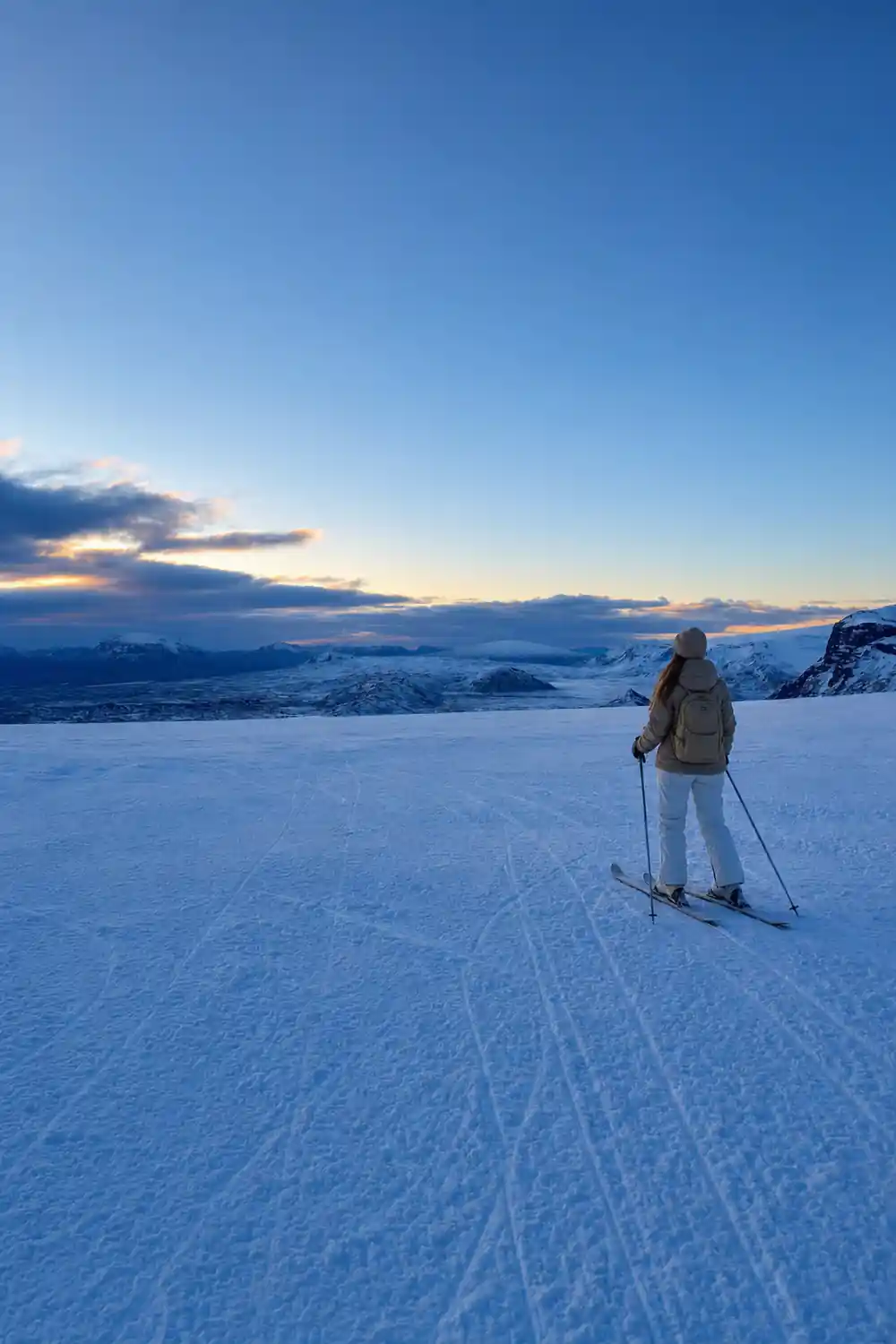
The guides knew every safe line on the glacier. I felt completely secure the whole time.
 Lily C.
-
★★★★★
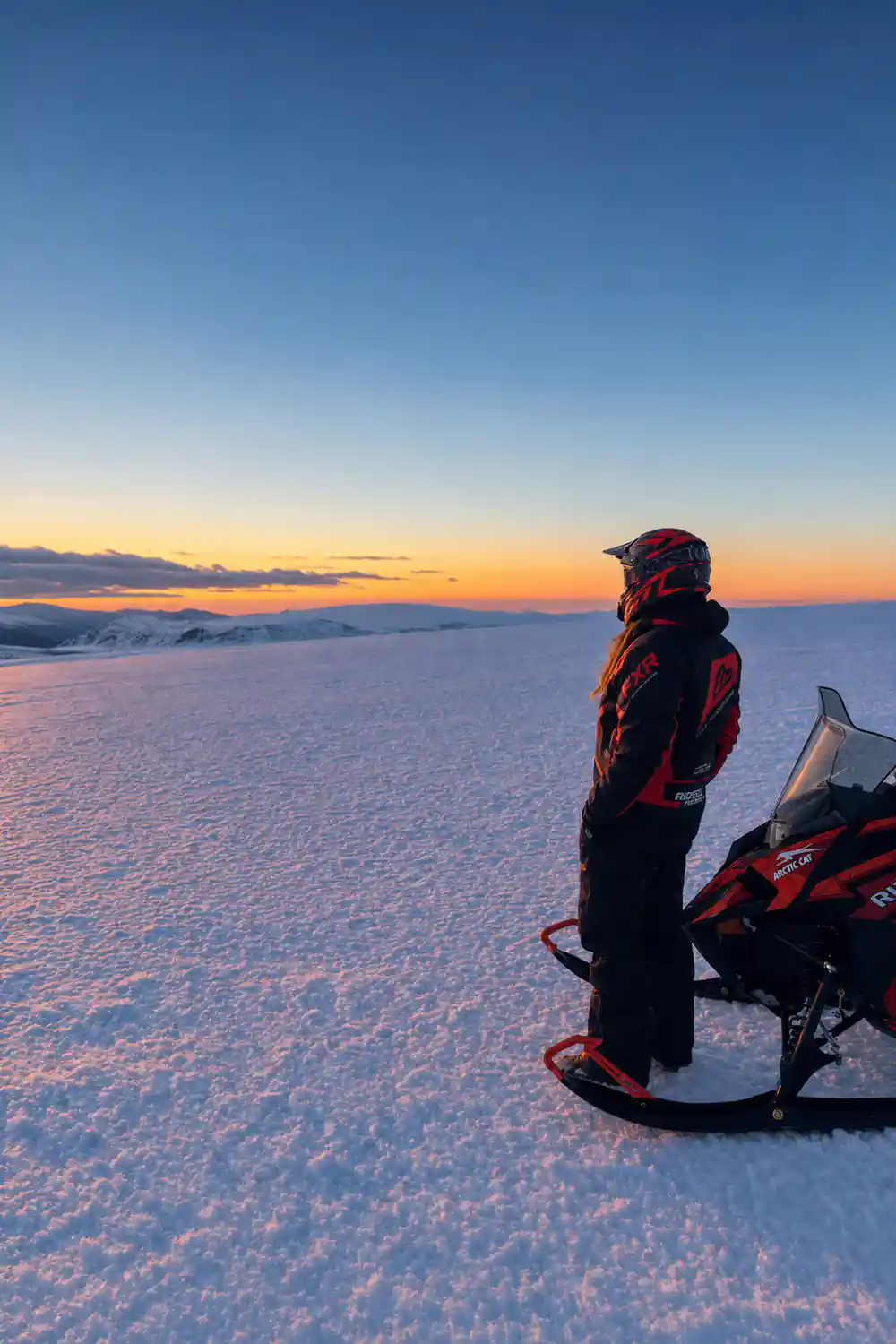
First time on a snowmobile and I was nervous. The briefing made all the difference.
 Ava M.
-
★★★★★
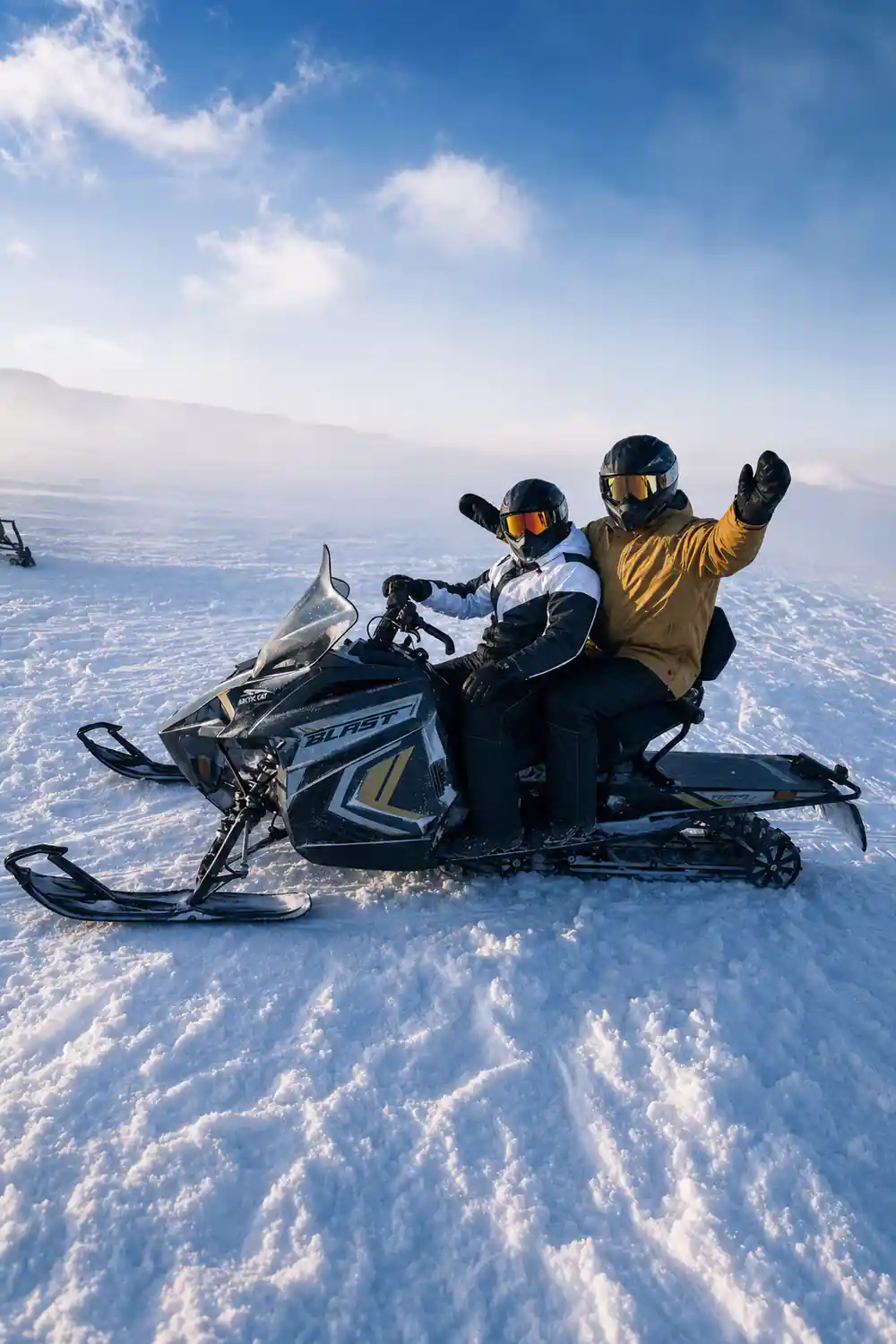
Our guide spotted hazards before we even got close. Real expertise in action.
 Stuart H.
-
★★★★★
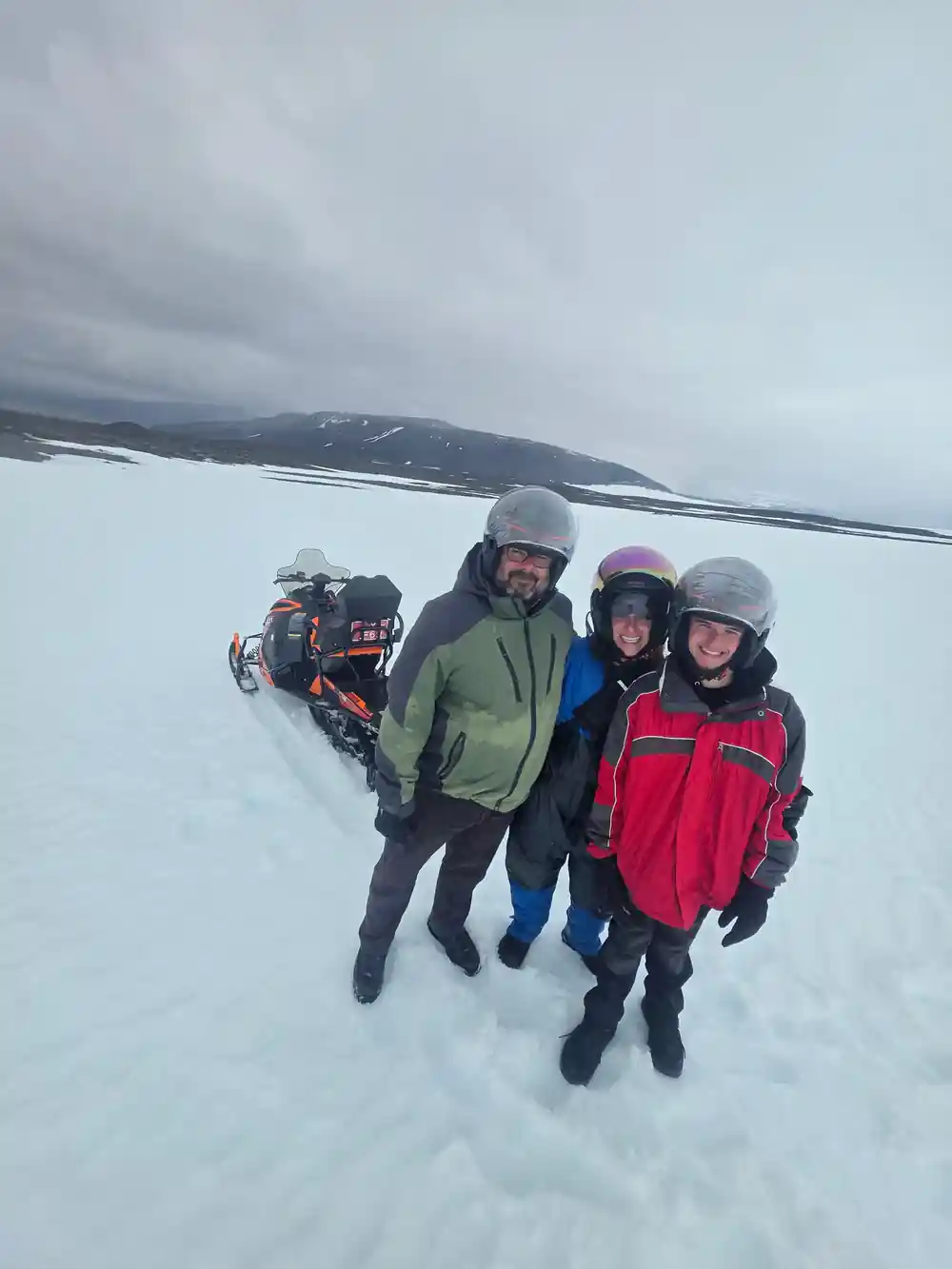
Small group meant the guide could watch everyone closely. That mattered to me.
 Oscar N.
-
★★★★★
The safety instructions were thorough but not scary. They knew how to explain risk.
 Charlotte P.
-
★★★★★
Guides stayed in constant contact during the ride. You knew help was there.
 Isla L.
-
★★★★★
I've done glacier tours before. These guides were exceptionally well trained.
 Frank G.
-
★★★★★
They taught us formation rules that actually made sense. Safety felt natural.
 Uwe S.
-
★★★★★
A nervous rider in our group left smiling. The guide's calm confidence spread.
 Susanne H.
-
★★★★★
Guides explained conditions before we rode. No surprises, just skill and care.
 Luis M.