At a glance
- Langjökull Glacier in July and all other months: snowmobiling runs throughout the year on the ice cap's upper elevations where snow persists.
- Expect significantly colder conditions on the glacier than in Husafell. The ice cap sits 1000+ metres higher, creating a sharp temperature shift as you ascend.
- Severe weather, poor visibility, or unsafe ice conditions trigger cancellations. High winds and storms on the exposed glacier are the primary reasons tours don't run.
- Morning departures often offer better visibility and calmer conditions than afternoon slots, though weather patterns shift seasonally throughout the year.
- Local glacier forecasts and real-time weather updates for Langjökull help confirm tour viability. Contact your operator for current conditions on your planned date.
Summer Riding on Permanent Snow
Langjökull glacier weather in summer months like July might seem unlikely for snowmobiling, but Iceland's ice cap maintains snow and ice year-round at high altitude. The glacier sits at around 1,100 meters elevation, where temperatures stay cold enough to preserve the snowpack even during the warmest months. Summer riding on Langjökull is possible because the permanent ice field does not melt away entirely, though conditions are thinner and more variable than in winter. Husafell weather in July typically ranges from 10 to 15°C in the valley below, but temperatures drop significantly as you climb toward the glacier.
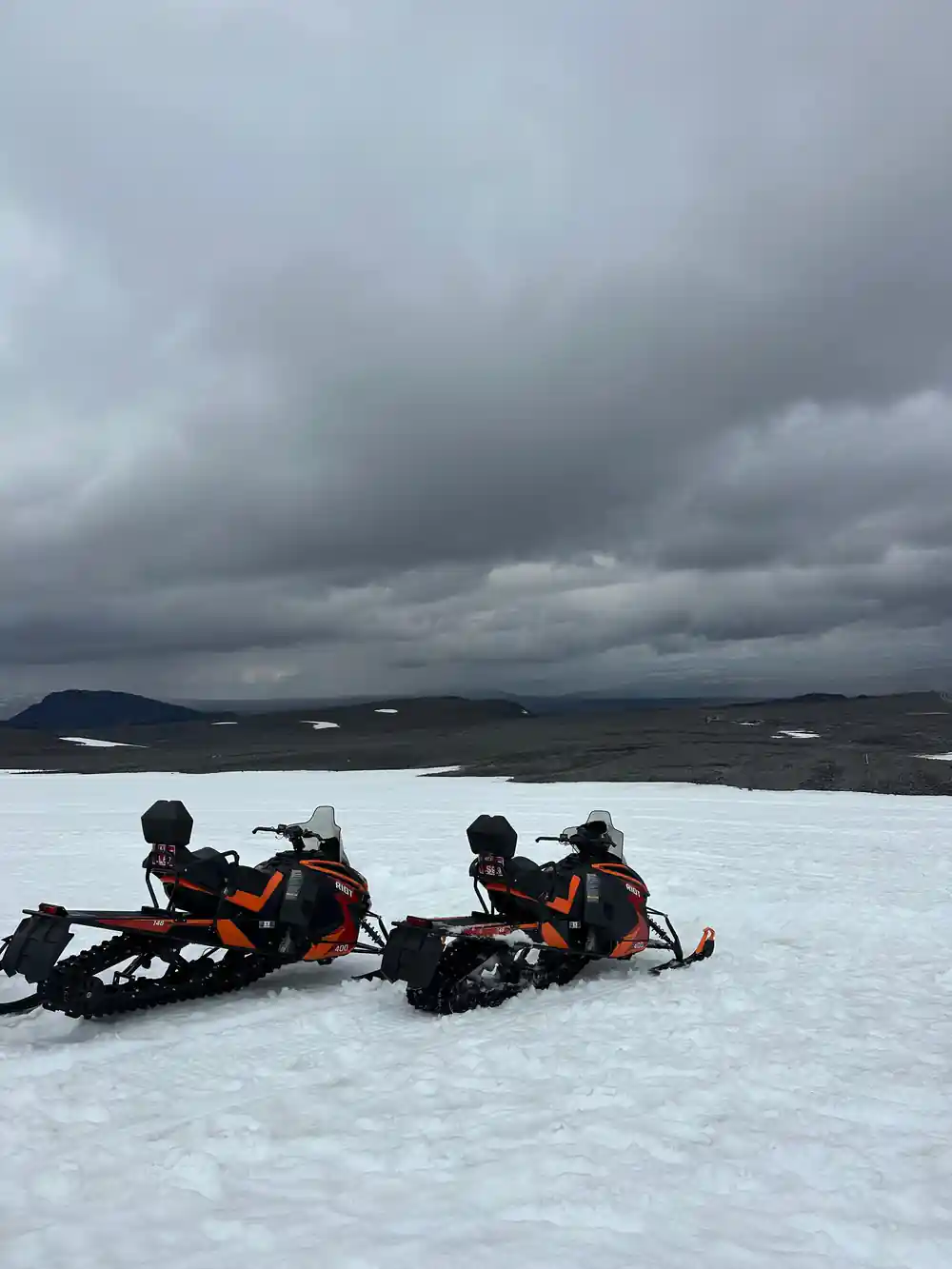
The Super Jeep ascent in summer is often faster because there is less snow on the lower approach roads, meaning a quicker ride to the glacier proper. However, snow conditions on the ice cap itself become uneven during the warmer months. Some areas may be icy and hard-packed, while others expose dark volcanic sand or gravel. These variations affect the ride quality and the routes your guide can safely take. Morning departures in summer are typically preferred because the afternoon sun softens the surface and can make snow conditions less stable for riding.
Winter Cold and Daylight on the Ice Cap
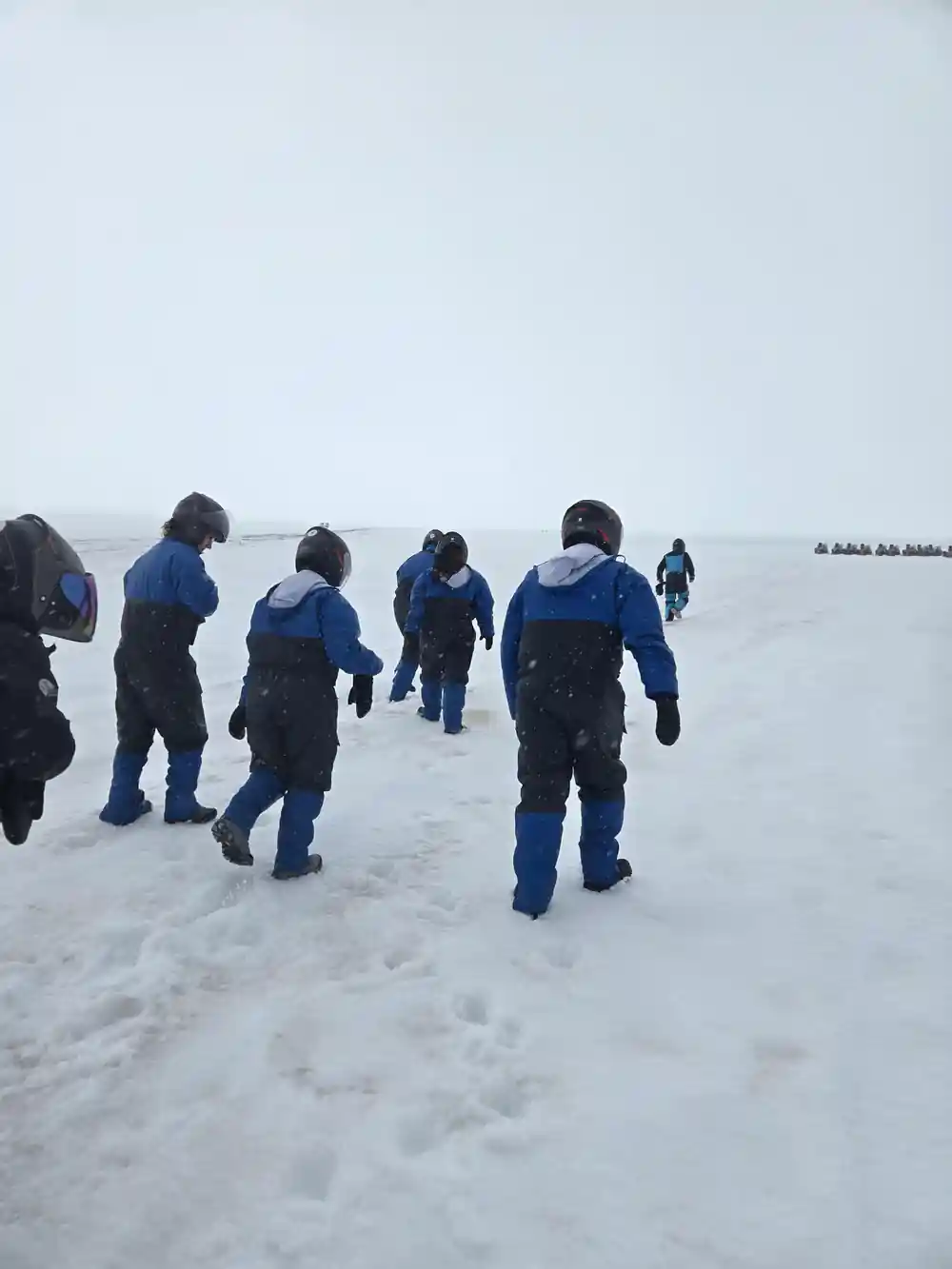
Winter brings extreme cold to Langjökull glacier weather, with temperatures often dropping to between -10°C and -20°C on the ice cap, sometimes lower on windy days. The wind chill effect is significant at elevation, making proper clothing and protective gear essential. The tour provides warm overalls, helmets, buffs, and overshoes to shield you from these conditions, but understanding what to expect helps you prepare mentally and physically. Winter daylight is severely limited in Iceland: December has only a few hours of daylight, which affects tour scheduling and visibility.
Despite the cold, winter offers the most stable and predictable snow conditions on the glacier. The ice cap is fully frozen, creating a firmer riding surface that many riders prefer. Husafell weather in December through February means the valley experiences snow cover as well, and the approach road up to the glacier may be slower due to snow and ice. However, winter tours often provide stunning views because crisp, clear days are more common than in the transitional seasons, and the contrast between white snow and dark sky creates dramatic scenery. Your guide will choose departure times carefully to maximize both safety and available daylight.
How Snow Condition Changes Your Ride
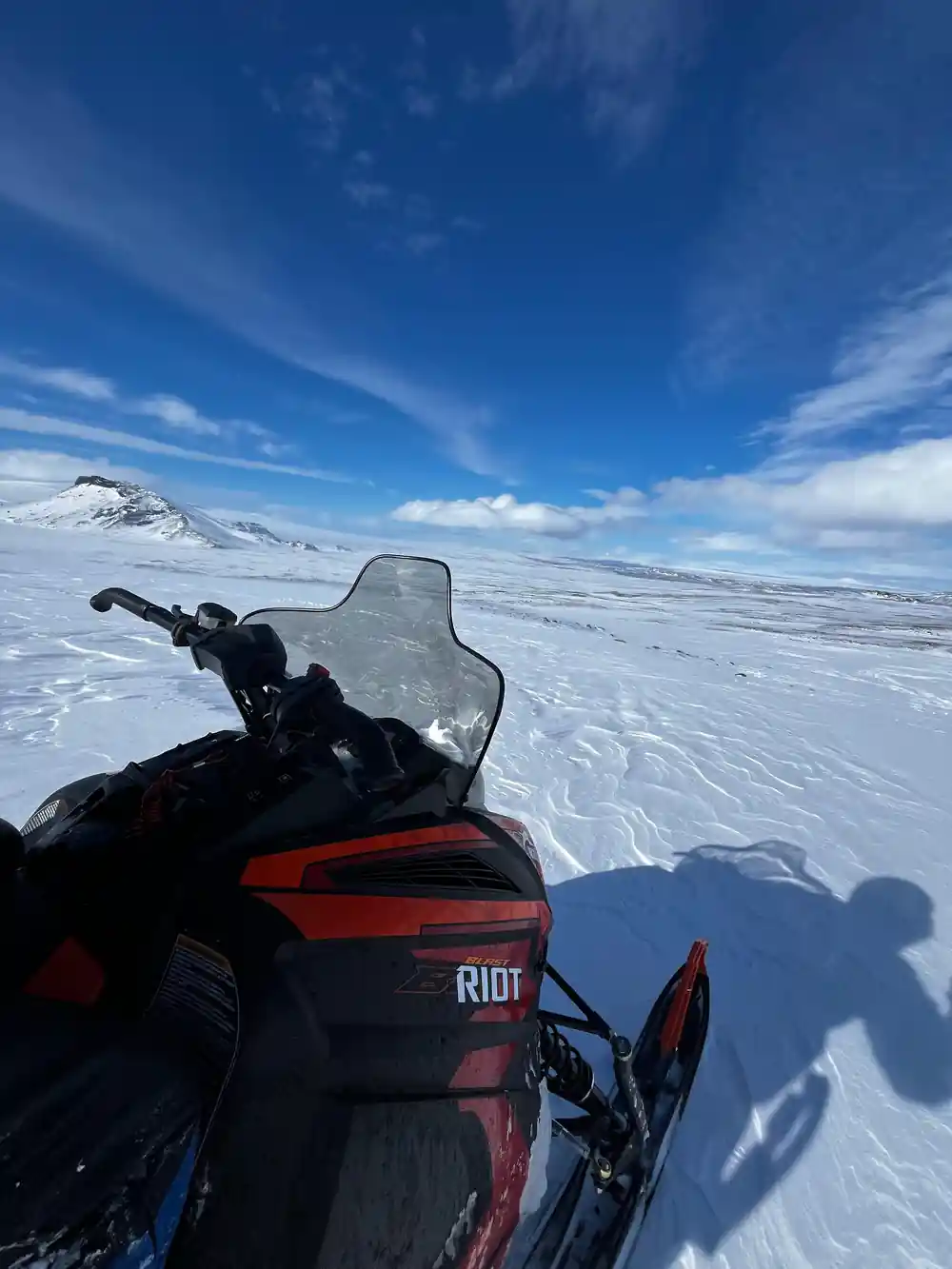
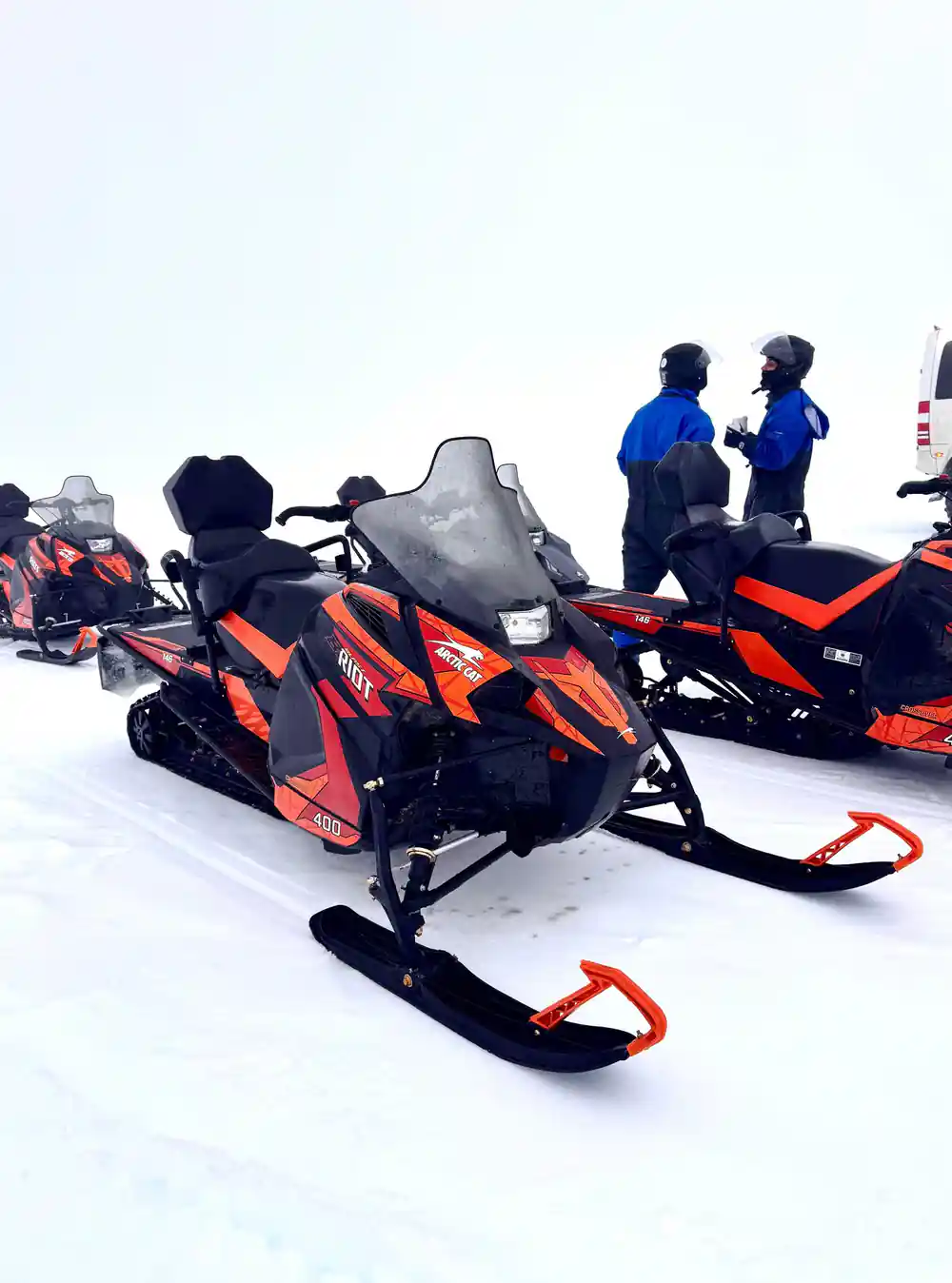
The quality of your snowmobile experience depends heavily on snow depth, density, and recent weather patterns. Fresh powder, common after winter storms, creates a softer, more cushioned ride that many riders find enjoyable, though it can slow speeds slightly. Hard-packed snow, which forms on the glacier in stable conditions, allows faster acceleration and sharper turns. During spring and autumn, when temperatures fluctuate around freezing, the snow can develop a crust that makes riding rougher and can affect the handling of the brand-new snowmobiles on the tour.
Langjökull Iceland weather forecasts should be checked in the days before your tour to understand recent precipitation and wind patterns. Wet snow following warm days sticks to the machine and makes riding more laborious. Icy conditions, which occur when surface snow melts and refreezes, demand more precise throttle control but also allow higher speeds. Your guide reads these conditions and adjusts the route accordingly, sometimes choosing sheltered areas or different elevations depending on what the glacier presents on the day of your visit. Are there snowmobile trails open on the ice cap? The answer varies by season and recent weather, which is why real-time communication with your operator matters.
Morning Versus Afternoon Departures
Morning departures typically offer calmer winds and more stable snow conditions because overnight freezing has consolidated the surface. The Super Jeep ride to the glacier is often smoother in the early hours before the sun warms the approach roads. Visibility tends to be clearer in the morning, especially in winter when daylight hours are precious. Starting early gives you the full duration of your two-hour experience in better light and with snow that has not yet been softened by daytime warming.
Afternoon departures work well in the height of summer when daylight is abundant and temperatures are warmest. However, Husafell weather forecast data shows that afternoon winds often pick up as the day progresses, and snow conditions deteriorate as the sun moves across the glacier. If you are riding in spring, autumn, or winter, a morning slot is usually more favorable because it preserves the quality of the ice and reduces the chance of weather deterioration during your outing. Your guide will advise on which timing suits the season and current conditions best.
15°
Langjökull sits up to 15°C colder than the valley below, making layered gear essential year-round.
Checking the Glacier Forecast Before You Ride
Before booking or preparing for your tour, the Langjökull glacier weather forecast and Husafell weather forecast should both be consulted. Online weather services that show hourly conditions, wind speed, and visibility for the glacier specifically are more reliable than general Iceland forecasts. Look for models that display data at 1,000 meters elevation or higher, since conditions change dramatically with altitude. Check forecasts 2 to 3 days before your tour so you have time to assess whether conditions are favorable or if cancellations due to severe weather are likely.
Wind speed is the most critical factor: tours may be cancelled or rescheduled if gusts exceed safe limits, particularly for snowmobile riding. Visibility matters too, because cloud cover can obscure the landscape and reduce the scenic value. Temperature alone does not usually stop a tour, but combined with high wind it creates dangerous wind chill. Your operator will communicate any concerns about conditions in advance, giving you time to prepare or choose a different date.
How the Super Jeep Drive Changes Seasonally
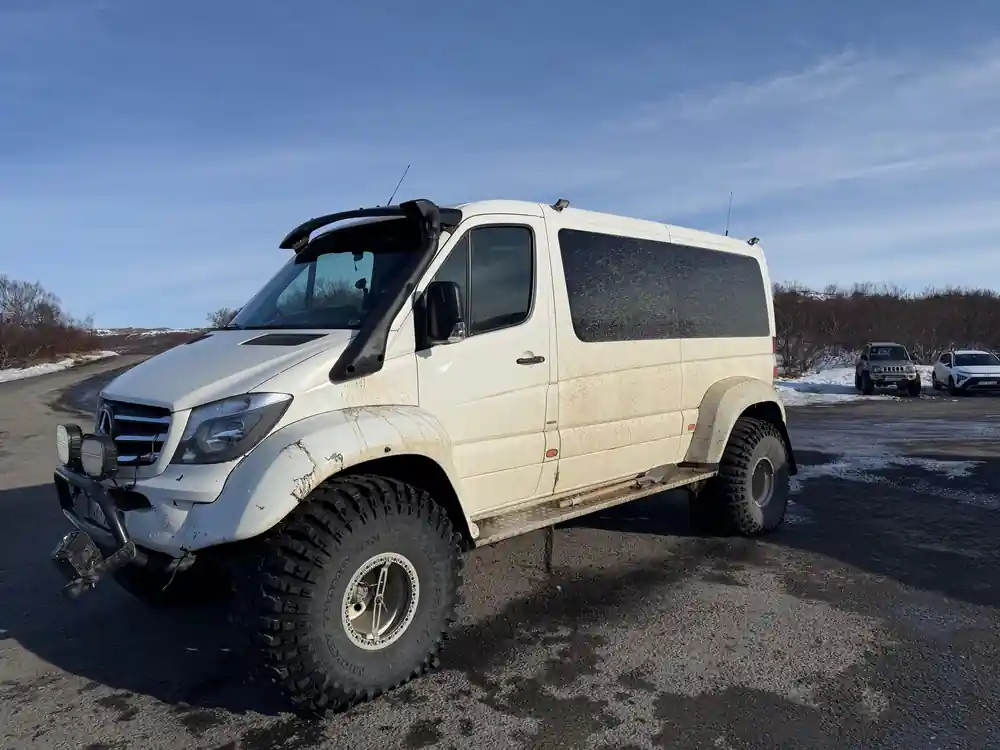
The Super Jeep ascent to Langjökull glacier weather is not identical year-round. In summer, the lower approach roads are largely snow-free, so the climb takes roughly 20 to 25 minutes with relatively good traction. In winter, snow and ice cover the entire route, extending the drive time and requiring more careful driving. The Super Jeep itself handles these variations because of its high clearance and specialized tires, but the journey feels different depending on the season. Spring and autumn present mixed conditions where some sections are clear and others are snow-covered, making the ride unpredictable.
The viewpoints visible from the jeep also change. Summer offers green valleys and dark soil visible beneath patches of snow, while winter presents a monochrome white landscape. The glacier itself looms differently: in summer it appears smaller and more patchy, while in winter it dominates the horizon as a vast white expanse. Your two-hour tour includes the jeep ride as part of the overall experience, so understanding this shift helps you anticipate what the approach will look like based on when you travel.
Seasonal Planning and What to Expect Year-Round
Langjökull is open for snowmobiling tours throughout the year, though each season presents distinct advantages and challenges. Winter (December through February) offers the most reliable snow conditions and clearest air, but the shortest daylight and coldest temperatures. Spring (March through May) brings longer days and slightly warmer weather, but snow is more variable and wind unpredictable. Summer (June through August) has maximum daylight and the warmest conditions, though snow on the glacier is thinner and the ride less predictable. Autumn (September through November) sees cooling temperatures and fresh snow beginning to accumulate, with wind often unsettled.
The small group format of this tour, limited to a maximum of 14 guests, means you will experience Langjökull with a personalized approach regardless of season. Your local guides adjust routes, timing, and pacing based on current conditions and group ability. Regardless of when you choose to ride, the experience includes safety instruction, photo opportunities, and the thrill of controlling a brand-new snowmobile on one of Iceland's most impressive ice fields. Planning your visit with seasonal weather patterns in mind ensures you get the ride that suits your preferences and tolerance for cold.
Ready to ride? Book your adventure today.
from US$284Reserve now & pay later