At a glance
- You need a valid driving licence to operate a snowmobile. No previous snowmobiling experience is required. Safety instruction is provided on the glacier before you ride.
- Passengers must meet the minimum age requirement set by the operator. Ask when booking if a non-rider can stay at base camp during the hour-long snowmobile session.
- Ride solo on your own machine, or ask about sharing options. The full hour is spent on the glacier, so you control your own pace and experience throughout.
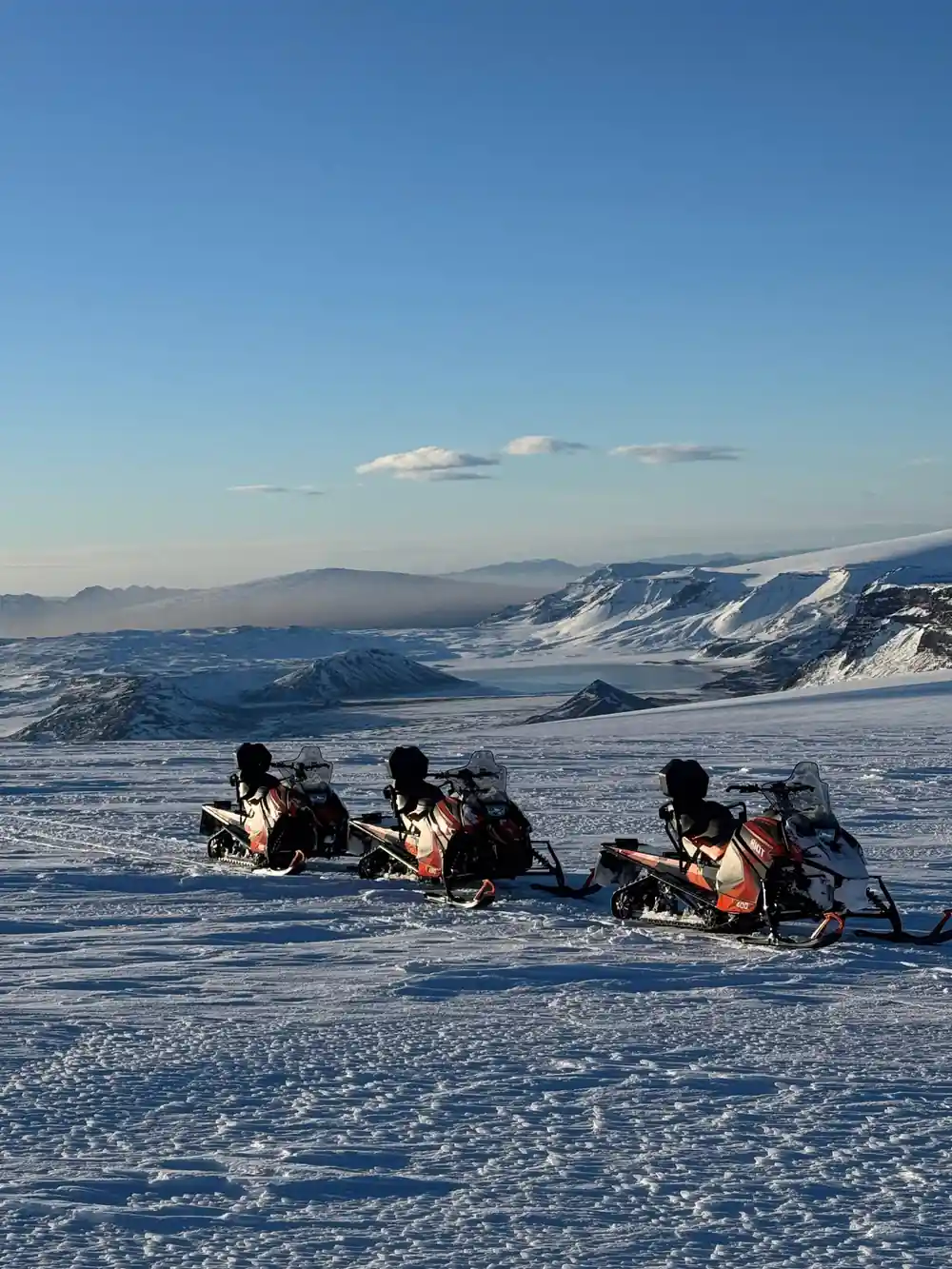
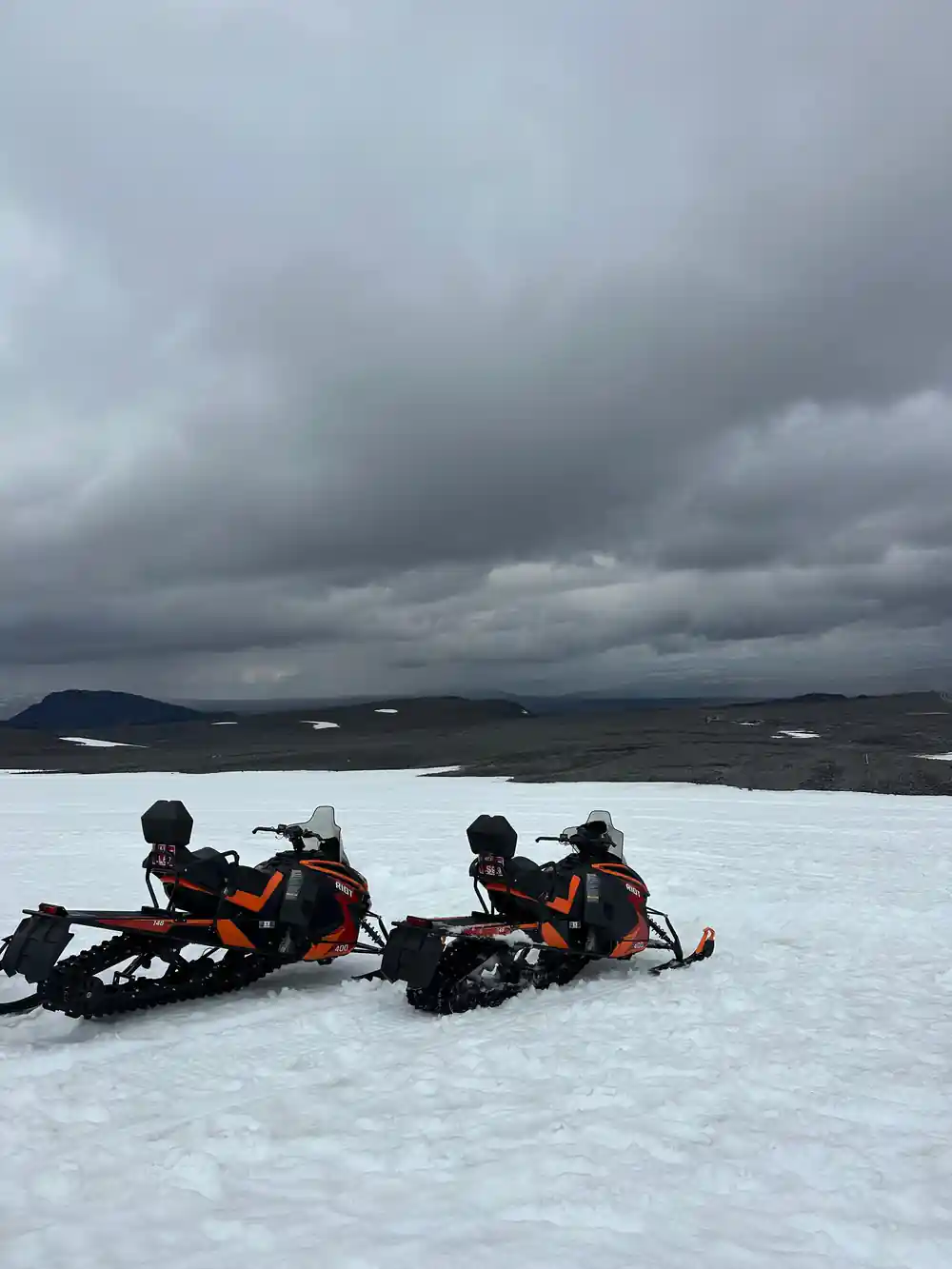
- You'll sit on a brand-new snowmobile and navigate glacial terrain. Inform guides if you're nervous or prefer a slower ride. They adjust the experience to your comfort level.
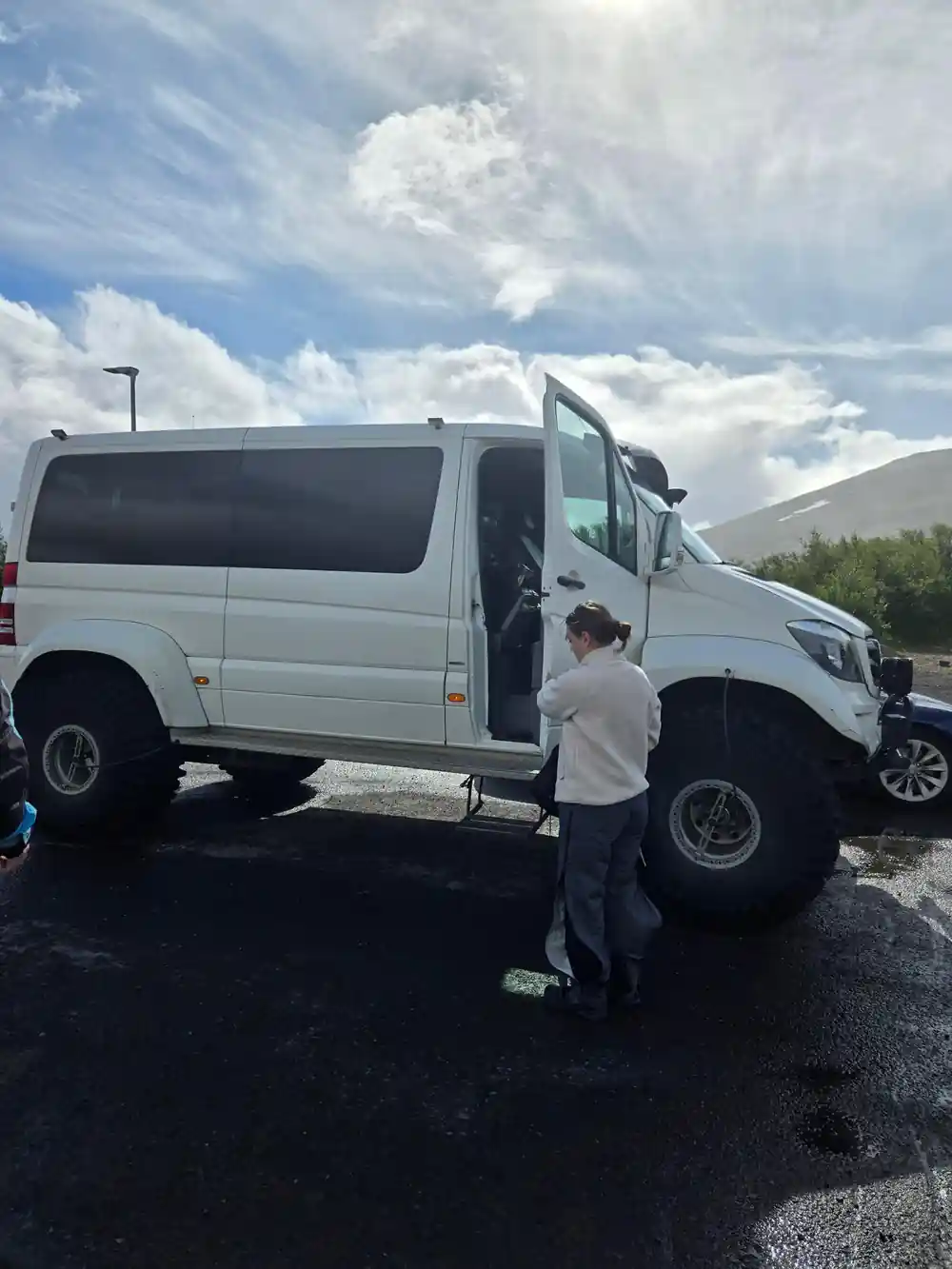
- Helmets, buffs, overshoes and warm overalls are provided. Local guides accompany your group of up to 14 people to ensure safety and assist if a machine needs help.
Do you need snowmobiling experience?
No previous experience is required to ride on this glacier tour. Our guides provide complete instruction before you reach the ice, so whether you're a first-timer or returning rider, you'll receive everything needed to operate the machine safely. The snowmobiles themselves are intuitive to control, and the briefing covers all the essentials for confident riding across the Langjökull glacier.
The one-hour riding session begins after your Super Jeep ascent and safety instruction. During this time, you'll have ample opportunity to become comfortable with the throttle and steering before venturing into open glacier terrain. Our guides remain attentive throughout, adjusting pace and route based on rider confidence and conditions.
Understanding snowmobile controls and how they respond
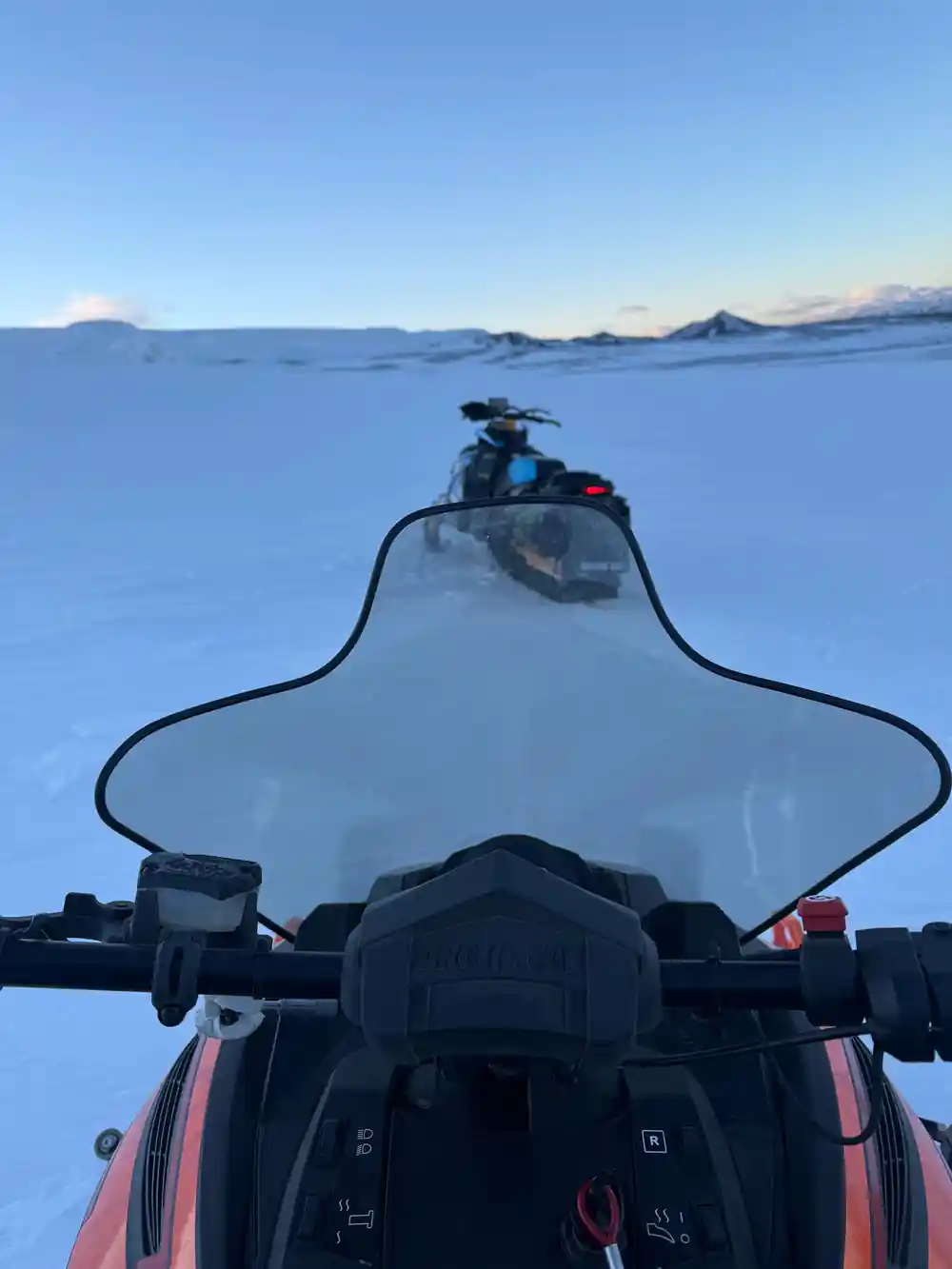
Operating a snowmobile involves three primary controls: the throttle lever on your right handlebar, the steering bars, and the brake lever. The throttle is twist-operated, similar to a motorcycle, and requires gentle modulation rather than sudden acceleration. Steering feels responsive but not sensitive; wide turns work better than sharp jerking movements on ice. The brake lever demands respect on glacial terrain, where grip differs dramatically from snow. Applying brakes smoothly prevents skidding and maintains directional control.
At typical glacier riding speeds of 20 to 50 kilometers per hour, the machine feels stable and predictable. Wind rush increases noticeably, but the protective overalls, helmets, and buffs provided insulate you from cold. The machine's weight and momentum mean you're constantly working with physics; understanding this during the briefing helps you ride more smoothly and confidently. Most riders find the sensation thrilling rather than overwhelming, particularly as familiarity builds within the first fifteen minutes.
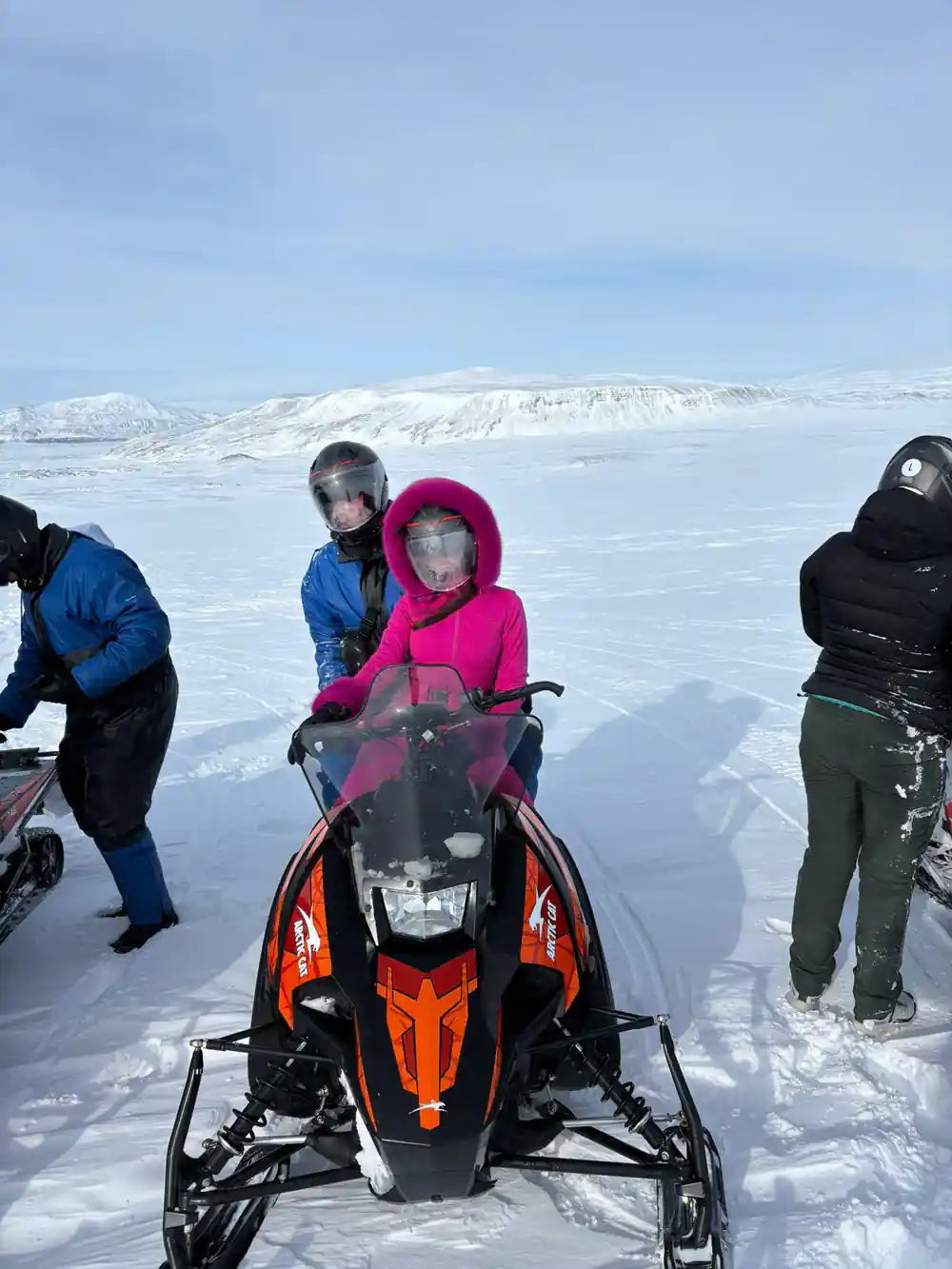
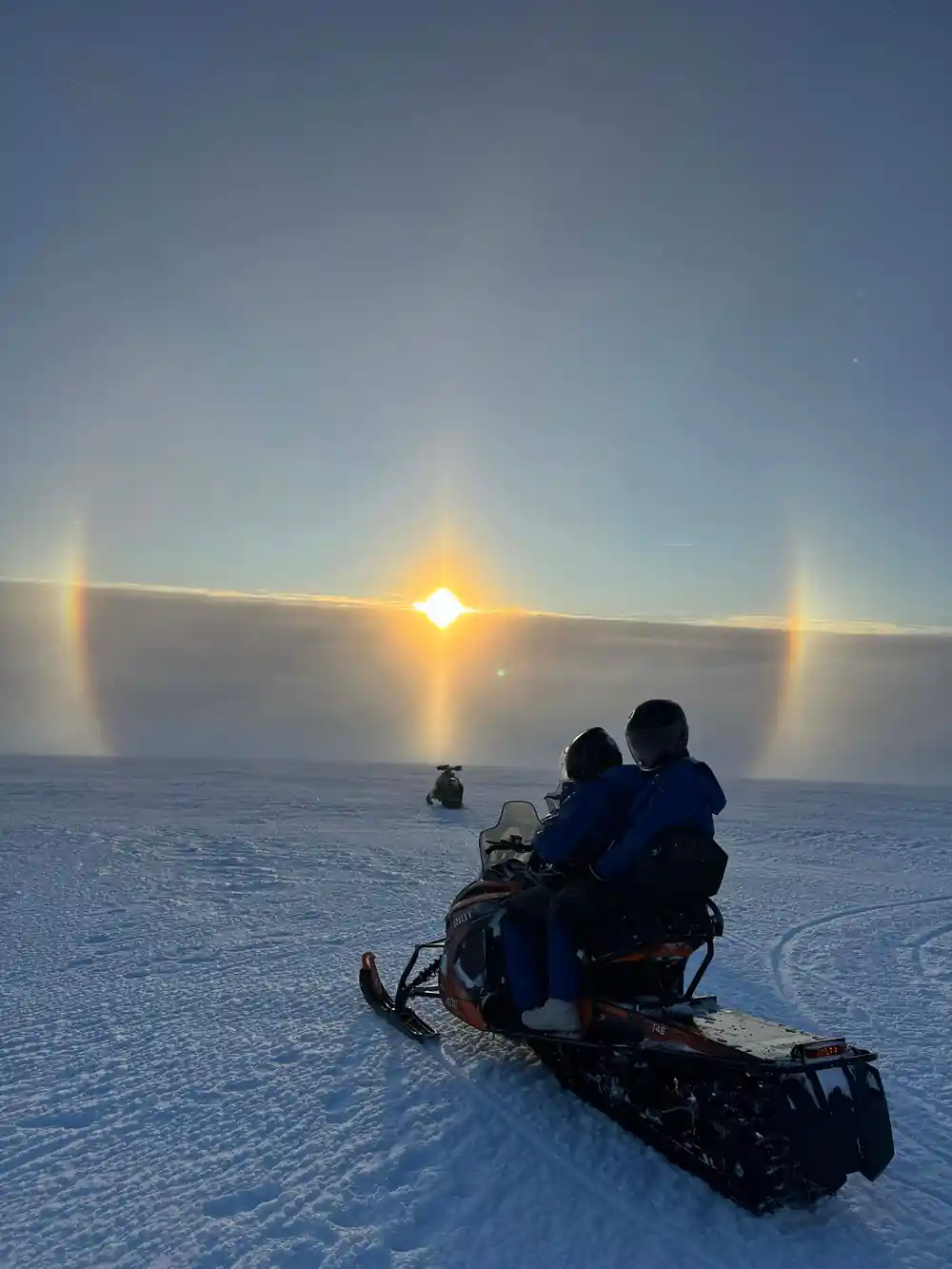
What the glacier safety briefing covers
Before riding begins, your guide delivers a comprehensive briefing on the ice itself. You'll learn to recognize safe riding zones, understand how glacial ice differs from regular snow, and identify hazards like crevasse fields and thin sections. The briefing explains how to read the terrain visually and what warning signs indicate unstable ground. You'll also receive specific instructions on how to handle your machine if conditions change or if the surface becomes rougher than expected.
The session covers emergency procedures, including how to stop smoothly in different situations, what to do if another rider needs assistance, and how to signal your guide. Communication methods are explained, as noise from the engine makes shouting impossible. You'll practice basic maneuvers in a controlled area before the main ride, giving you confidence in throttle response and braking behavior specific to glacial conditions. This hands-on introduction transforms the subsequent hour into genuine enjoyment rather than anxiety.
Solo riding versus sharing and swapping drivers
Each snowmobile accommodates one person comfortably for the full hour. You operate the machine independently, controlling throttle, steering, and braking throughout your 60-minute glacier time. This solo arrangement means no compromises on speed preference or route choice within the guide's designated path. You experience complete responsibility for the machine, which most riders find empowering and immensely satisfying.
If two riders wish to swap control partway through, this can be arranged during the ride. Typically, drivers stop and exchange positions after 30 minutes, allowing each person equal time operating their own machine. Discuss this preference with your guide before departure; they'll coordinate the swap safely on stable ice and ensure both riders feel prepared. This approach works well for couples or friends wanting to share the driving experience fairly.
Pacing for nervous or cautious riders
Anxiety about operating machinery on glacial ice is common and entirely manageable. Your guide observes your comfort level during the briefing and initial moments and can adjust your personal pace accordingly. This doesn't mean staying behind the group; rather, it means your guide helps you develop confidence at your own speed. Many nervous riders start conservatively and gradually increase throttle as familiarity builds. By the 45-minute mark, most find themselves riding with genuine confidence and enjoyment.
Communicate your concerns clearly before the ride starts. Guides can route you through gentler terrain, reduce speed expectations, or provide additional encouragement. The ride's structure allows natural progression from cautious exploration to more spirited glacier travel. Some riders opt for modest speeds throughout and still experience the full thrill of glacier snowmobiling; there's no minimum speed requirement or pressure to match other riders' intensity.
Weight, height, pregnancy and physical restrictions
The tour operates within safety parameters that ensure machine performance and rider security. While specific restrictions on weight or height aren't detailed in standard tour information, your booking confirmation should clarify any physical requirements. Contact the operator directly with concerns about your size or build; they assess compatibility with available machines and can advise whether adaptations are necessary. Being transparent allows the operator to guarantee a safe and comfortable experience.
Pregnancy is a consideration requiring direct discussion with the tour operator before booking. The physical demands of operating machinery, the vibration, the uneven terrain, and the duration all factor into medical suitability. Your doctor's guidance combined with the operator's safety protocols should inform your decision. Similarly, anyone with recent surgeries, spinal concerns, or significant mobility restrictions should consult the operator beforehand to confirm the tour matches their capabilities.
Handling mechanical issues on the glacier
Modern snowmobiles are reliable, but glacial conditions sometimes present unexpected challenges. If your machine stalls, the guide has immediate solutions and typically can restart it on the ice or assist with repositioning. Should a machine become stuck in softer sections or require mechanical attention, guides carry communication equipment and spare parts for minor field repairs. You're never stranded; support vehicles or fellow guides remain within visual or radio contact at all times.
In rare situations requiring machine replacement, guides manage transitions smoothly and discreetly. Your riding hour continues uninterrupted; the goal is maintaining your experience despite mechanical hiccups. The fleet's modern machines and thorough pre-tour maintenance minimize these occurrences, but preparedness ensures riding continues enjoyably. If mechanical issues prevent safe glacier riding, the operator arranges alternatives or reschedules rather than compromising safety or experience quality.
First-timers welcome on every departure
from US$284Reserve now & pay later
| Shared Machine | Solo Ride | |
|---|---|---|
| Driving Time | 1 hour | 1 hour |
| Machine Control | Take turns at the wheel | You drive the full hour |
| Who it's for | Couples, friends, those new to snowmobiling | Experienced riders seeking independence |
| Physical Demand | Moderate | High |