At a glance
- Langjökull translates to 'Long Glacier' in Icelandic, named for its sprawling expanse across central Iceland's highlands.
- This region features prominently in medieval Icelandic sagas, marking a crossroads in stories of settlement, outlaws, and journeys across the ice.
- Icelanders have traversed these glaciers for centuries, long before modern snowmobiles made the journey accessible to visitors today.
- The area pioneered glacier touring in Iceland, evolving from traditional routes used by travelers into today's guided snowmobile experiences.
- Glaciers hold deep significance in Icelandic tradition, appearing in folk tales and representing both peril and passage through the untamed landscape.
Langjökull: Iceland's Long Glacier
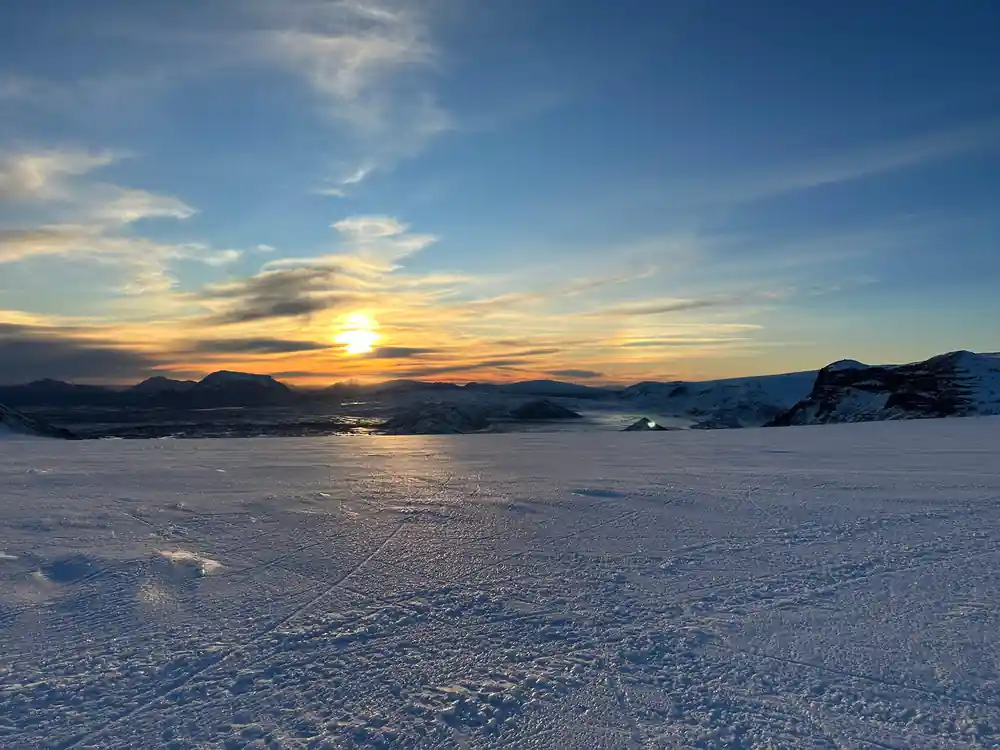
The name Langjökull translates directly from Icelandic as 'long glacier' - a fitting description for Iceland's second-largest ice cap, which stretches across 953 square kilometers in the interior highlands. This vast frozen landscape has captivated Icelanders for over a thousand years, serving as both barrier and highway across the island's remote heart. Today, visitors experience this same terrain aboard modern snowmobiles, following routes that echo centuries of human passage over the ice.
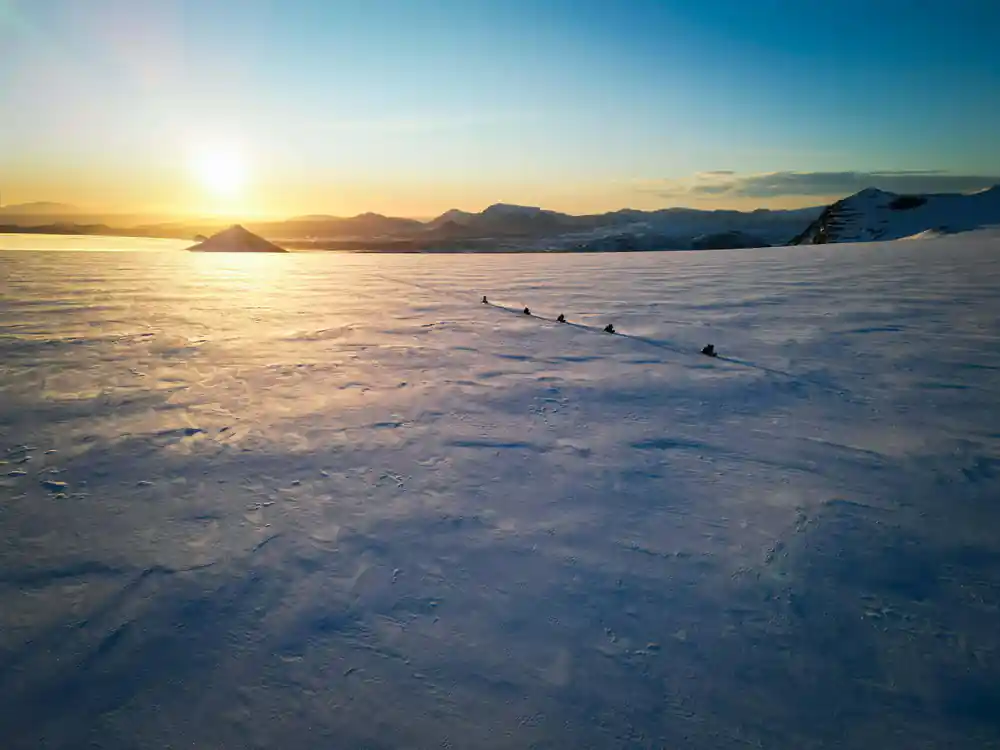
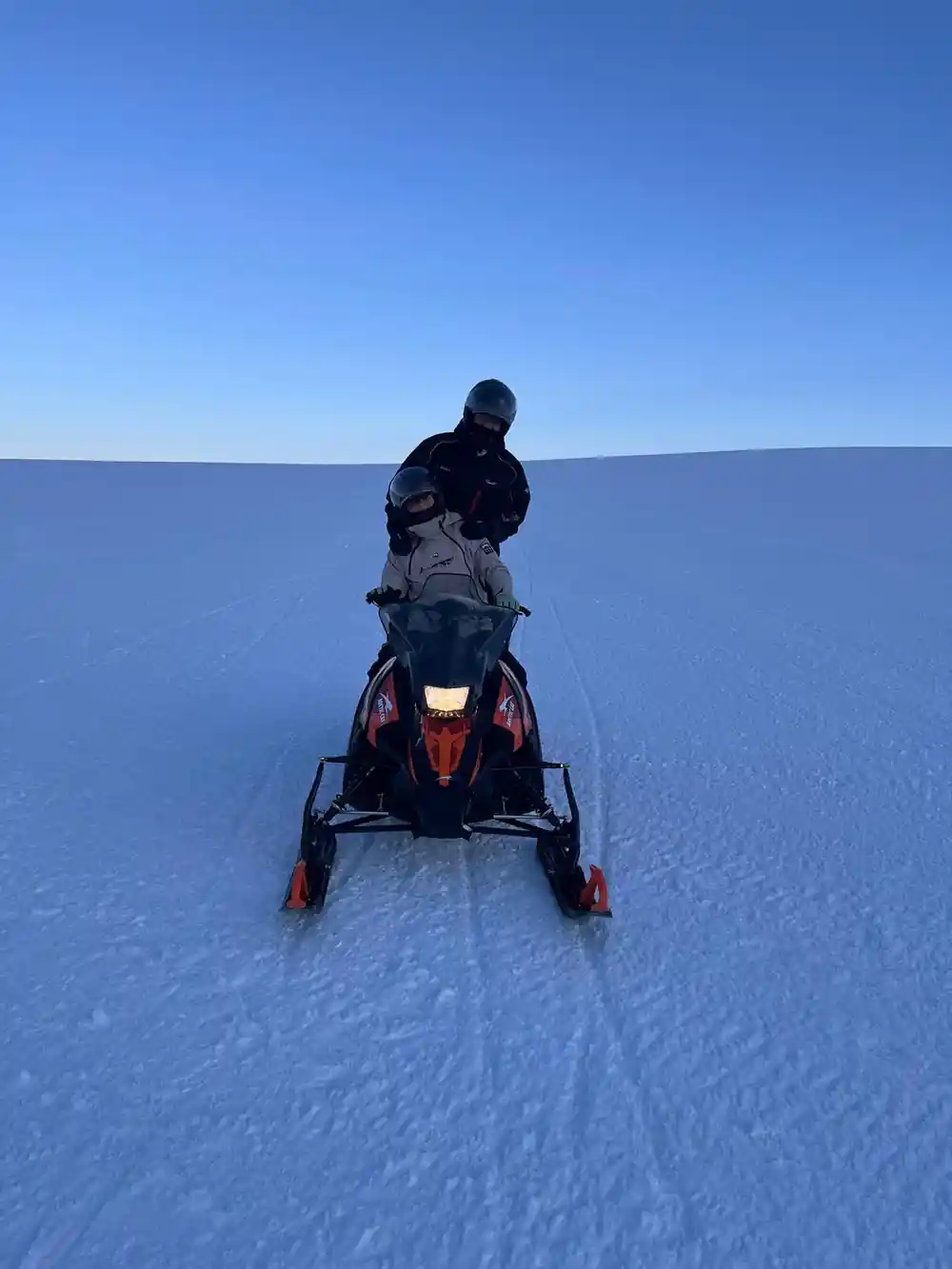
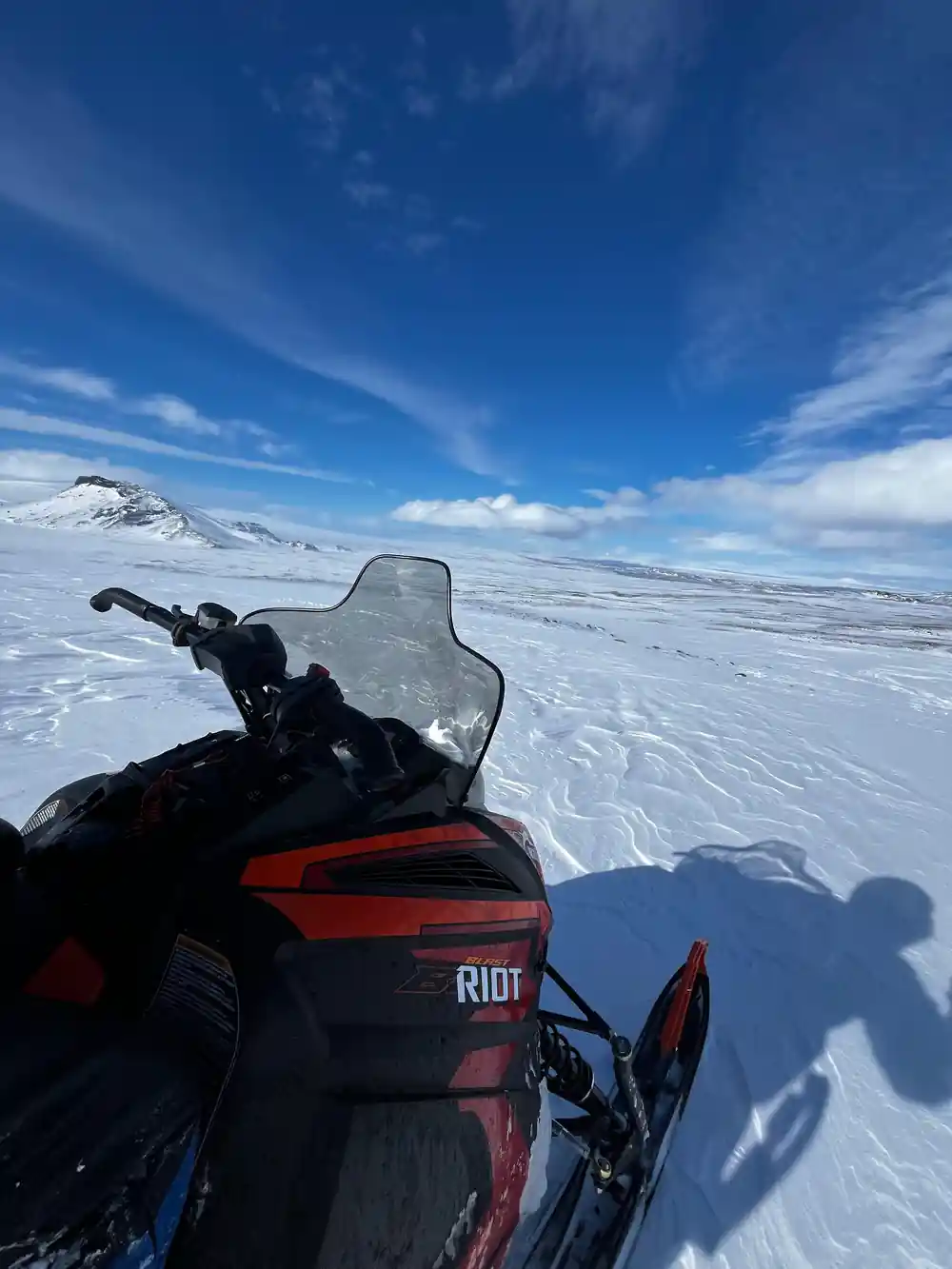
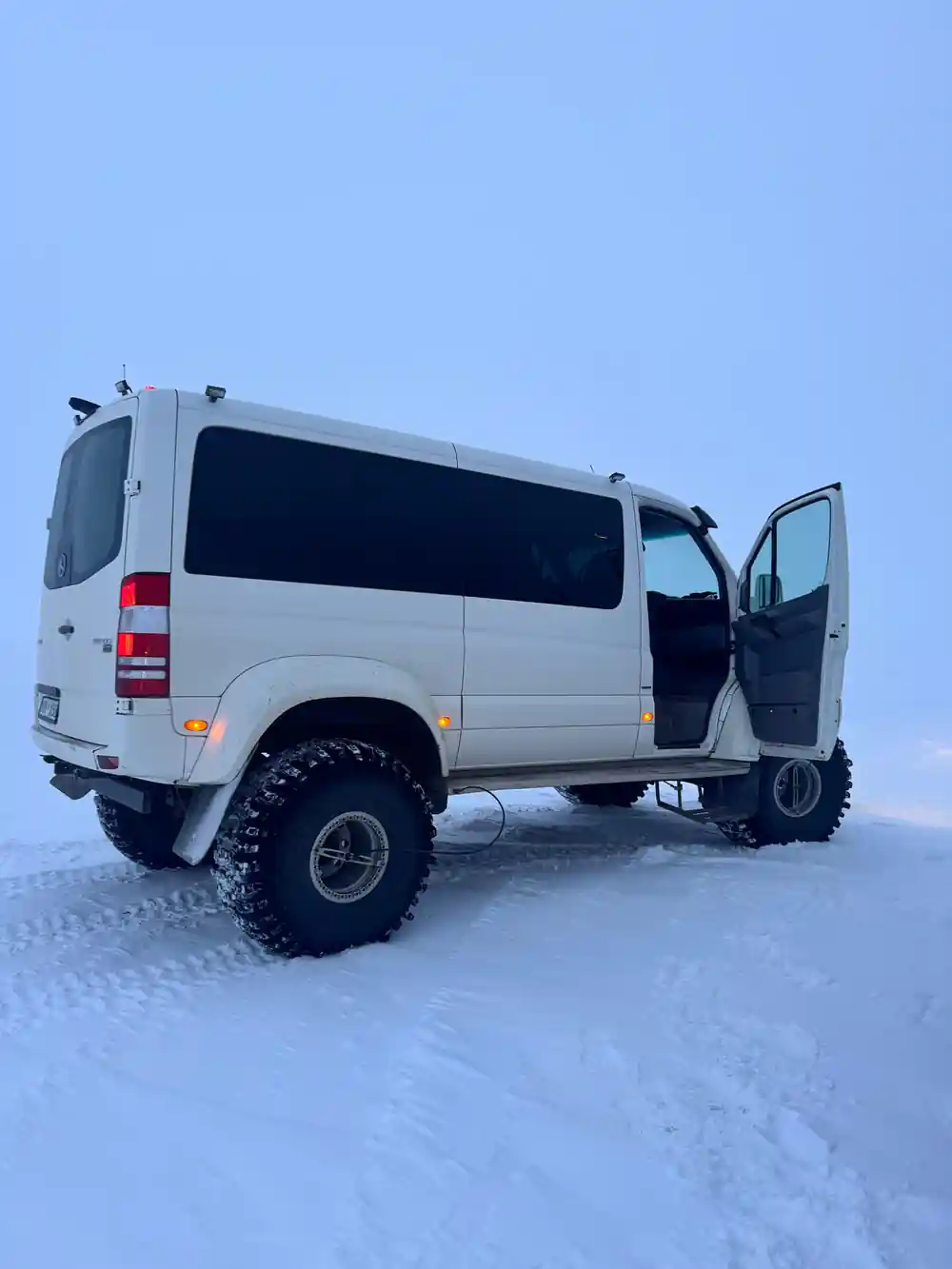
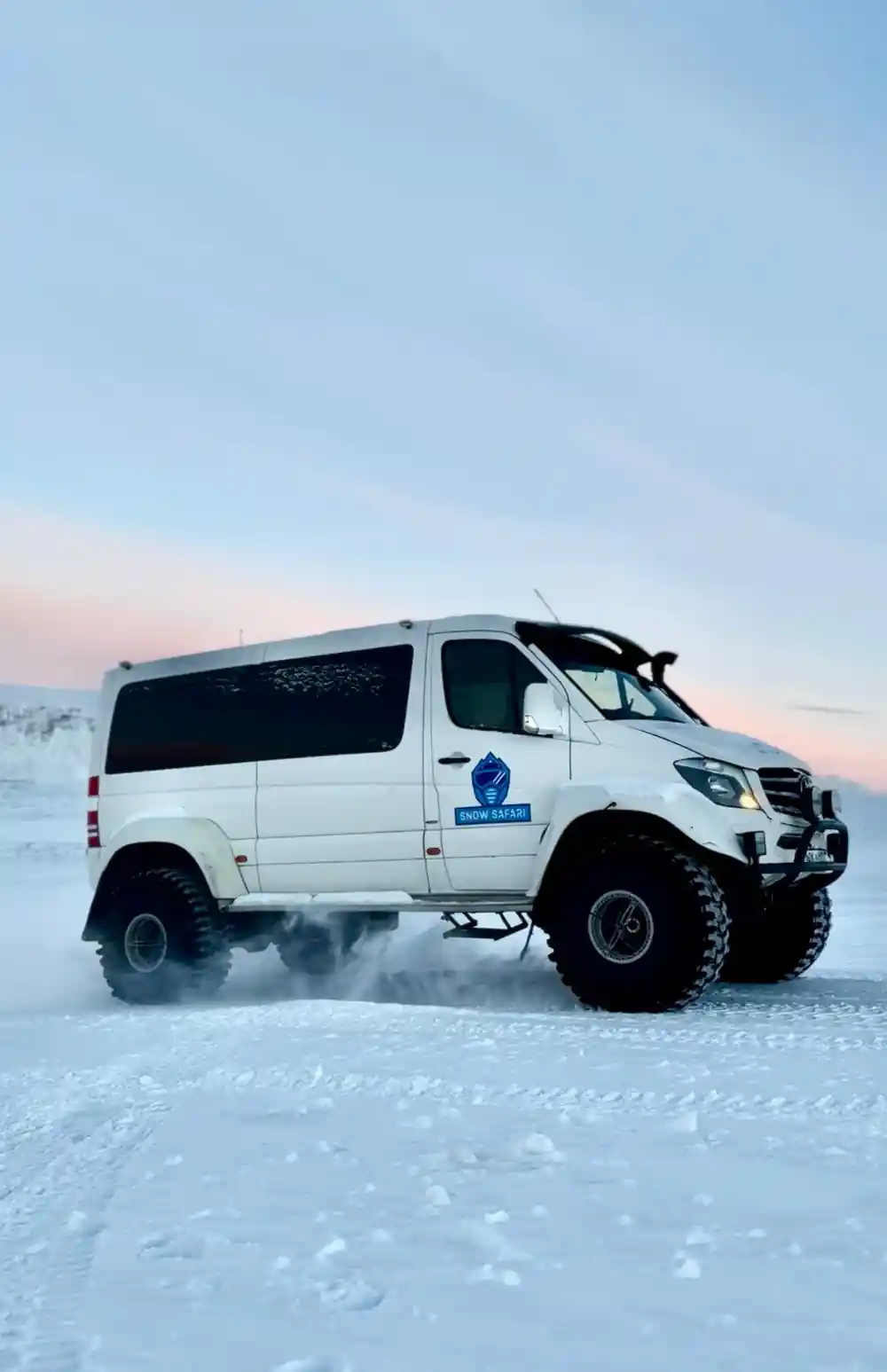
From Husafell, the 2-hour tour takes you across this remarkable jökull on brand-new machines, guided by locals who know every ridge and crevasse field. The journey begins with a Super Jeep ride that climbs toward the glacier itself, building anticipation before you take the controls of your own snowmobile for a full hour of riding on the ice cap. This combination of vehicles - ancient route, modern transport - mirrors how Icelanders have always adapted to travel across this demanding landscape.
Husafell's Place in Icelandic Saga
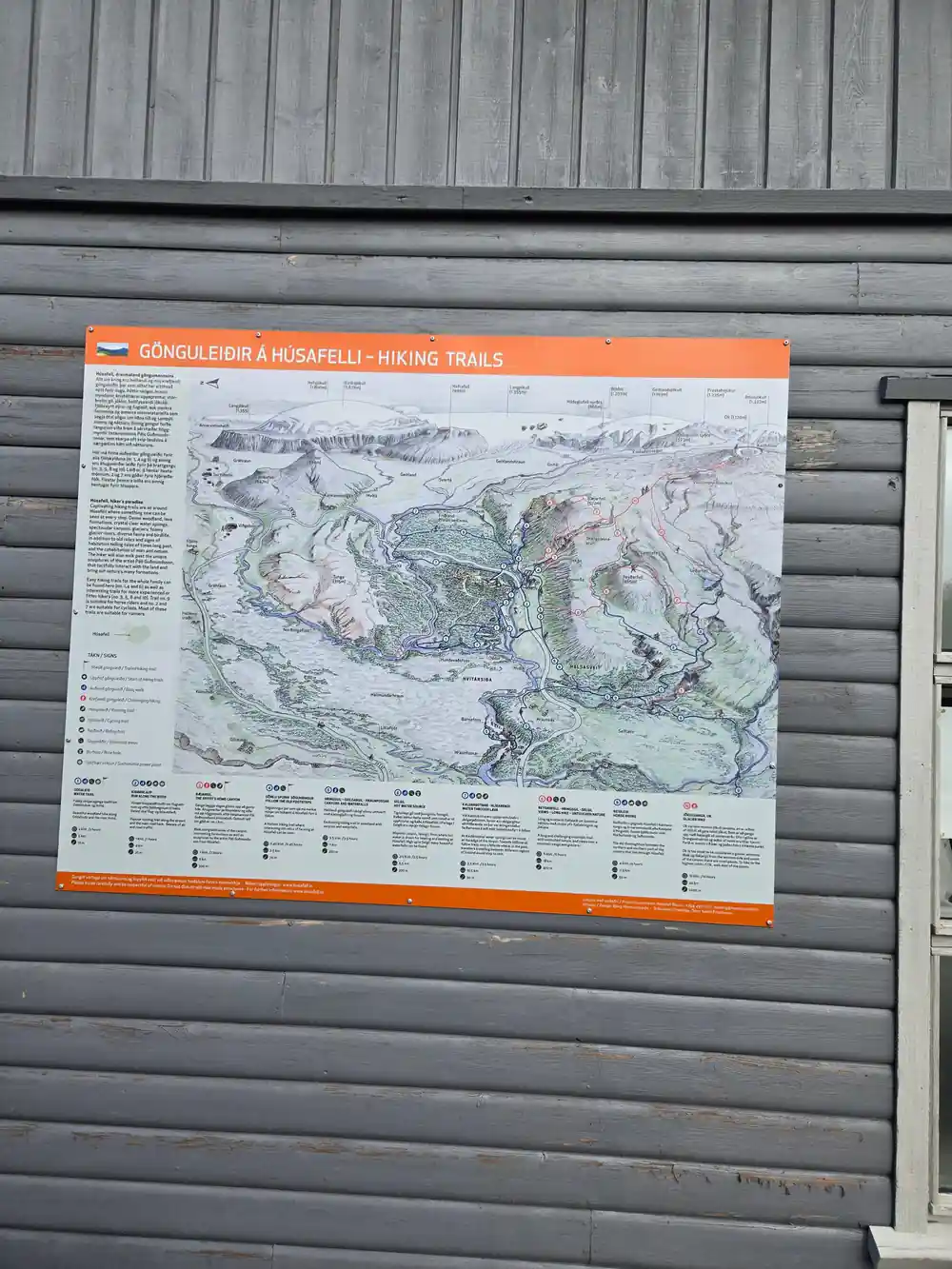
The settlement of Husafell holds deep roots in Iceland's medieval sagas. Located at the western edge of the glacier region, Husafell appears in historical records as a place of significance during the age of outlaws and explorers. The area's name carries the weight of generations who built homes here and ventured into the interior ice caps - a feat of courage given the unpredictable conditions and vast distances involved.
Today, Husafell remains a gateway to these same glacier adventures. The small community serves as the departure point for your snowmobiling expedition, maintaining its historical role as a jumping-off point for those brave enough to venture onto the ice. Local guides preserve the stories and knowledge passed down through families who have lived alongside this landscape for centuries, making your tour a direct connection to Icelandic heritage.
Where valley meets glacier: Husafell's gateway to ice
Outlaws and the Kaldidalur Route
During Iceland's settlement period, Kaldidalur - the 'cold dale' route - became notorious as a path used by outlaws fleeing across the highlands. This ancient passage between glaciers offered escape and shelter to those seeking refuge from authority, and it remains one of Iceland's most dramatic mountain roads. The route's harsh conditions tested travelers, making it a fitting symbol of Iceland's unforgiving interior.
The Langjökull glacier sits at the heart of this historic geography. Riders on today's snowmobile tours traverse terrain that these historical figures once crossed on foot or horseback, now equipped with modern safety gear and professional instruction. The landscape itself - vast, minimalist, and powerful - has changed little since those saga times, allowing contemporary visitors to sense the scale of adventure that defined early Icelandic exploration.
First Crossings and Early Expeditions
The documented history of ice cap crossings in this region stretches back several centuries, with brave expeditions undertaken long before modern equipment existed. Icelanders navigated these frozen expanses using traditional methods and intimate knowledge of seasonal conditions, marking routes and safe passages that became essential for trade and survival. Each crossing added to the accumulated wisdom about timing, navigation, and survival on the glacier.
Archaeological and historical records show that these journeys were undertaken with remarkable regularity once routes were established, turning what seemed like impossible terrain into a navigable - if dangerous - passage. Your snowmobile tour follows in this tradition, though with the benefit of contemporary technology. The guides share stories of these early crossings, connecting your modern experience to the resilience and resourcefulness of those who came before.
1884
The first documented crossing of Langjökull occurred in 1884, opening the ice cap to modern exploration.
Hraunfossar and Barnafoss: Glacier-Fed Waterfalls
At the base of the glacier system lies a pair of remarkable waterfalls: Hraunfossar and Barnafoss. These cascades are directly fed by meltwater from Langjökull, making them living expressions of the glacier's influence on the Icelandic landscape. Hraunfossar emerges from beneath lava fields in hundreds of small streams, while Barnafoss drops powerfully over a canyon carved by glacial runoff. Together, they mark the visible boundary where ice becomes water.
These waterfalls serve as a reminder that the glacier is not a static monument but an active force shaping the land. The water you see plunging over these falls began as snow on Langjökull's surface, traveled through the ice, and emerged to carve canyons and feed rivers. Your snowmobile adventure takes you to the source of this water cycle, giving you perspective on how glaciers connect to every waterfall and river system in the region.
The Arrival of Glacier Vehicles and Snowmobiling
The introduction of specialized glacier vehicles and snowmobiles to this region transformed how visitors and researchers access the ice caps. What once required weeks of preparation and extreme hardship now takes hours, with professional equipment and trained guides managing safety. These innovations arrived relatively recently in Iceland's history, yet they have become essential tools for exploration, scientific study, and tourism in the interior highlands.
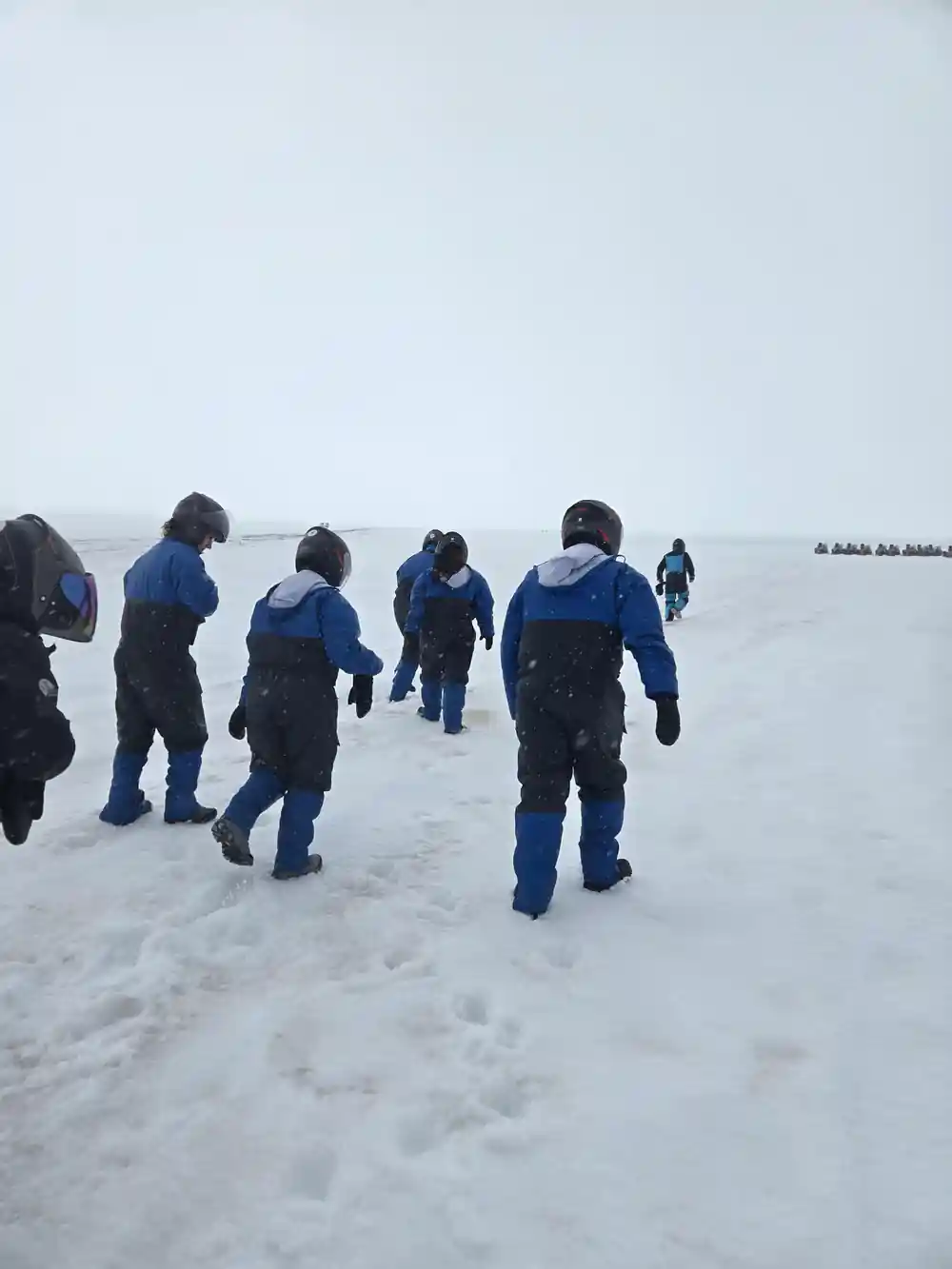
Your tour represents the culmination of this technological evolution. The Super Jeep that carries you to the glacier's edge combines modern engineering with rugged capability, while your snowmobile - brand new and purpose-built - allows you to experience the glacier's vastness with control and confidence. Maximum group sizes of 14 guests ensure that the experience remains personal and manageable, with helmets, overshoes, warm overalls, and professional safety instruction provided. The glacier remains formidable, but modern equipment makes it accessible to those who approach it with proper respect and preparation.
Glaciers in Icelandic Folklore and Modern Culture
Beyond geography and history, glaciers occupy a powerful place in Icelandic imagination and folklore. These vast ice caps have inspired stories, shaped spiritual beliefs, and symbolized both the beauty and danger inherent in Iceland's natural world. Glaciers appear in sagas as places of trial and transformation, as barriers that test character, and as sacred spaces worthy of respect and wonder. This cultural resonance persists in modern Iceland, where the ice caps remain sources of fascination and reverence.
When you venture onto Langjökull during your 2-hour snowmobiling tour, you are engaging with more than a geological formation - you are participating in a cultural tradition stretching back over a thousand years. Your guides, as locals rooted in Icelandic heritage, carry this perspective into the landscape. The experience of riding across the open ice, surrounded by nothing but snow and sky, connects you to the same sense of awe and respect that has defined human relationship with these glaciers since Iceland's settlement. This is why the small group format matters: it allows space for contemplation and connection, turning a physical adventure into a cultural immersion.
Follow the Ice Cap Route Today
from US$284Reserve now & pay later